
Before Memmo my notes were scattered across PDFs. Now a workspace pulls everything into one place — I see exactly what's still left to study.
Honorable Mention, 2020 Stirling Prize for Best Published Work in Psychological Anthropology, given by the Society for Psychological Anthropology
Honorable Mention, New Millennium Book Award, given by the Society for Medical Anthropology
How youth on the autism spectrum negotiate the contested meanings of neurodiversity
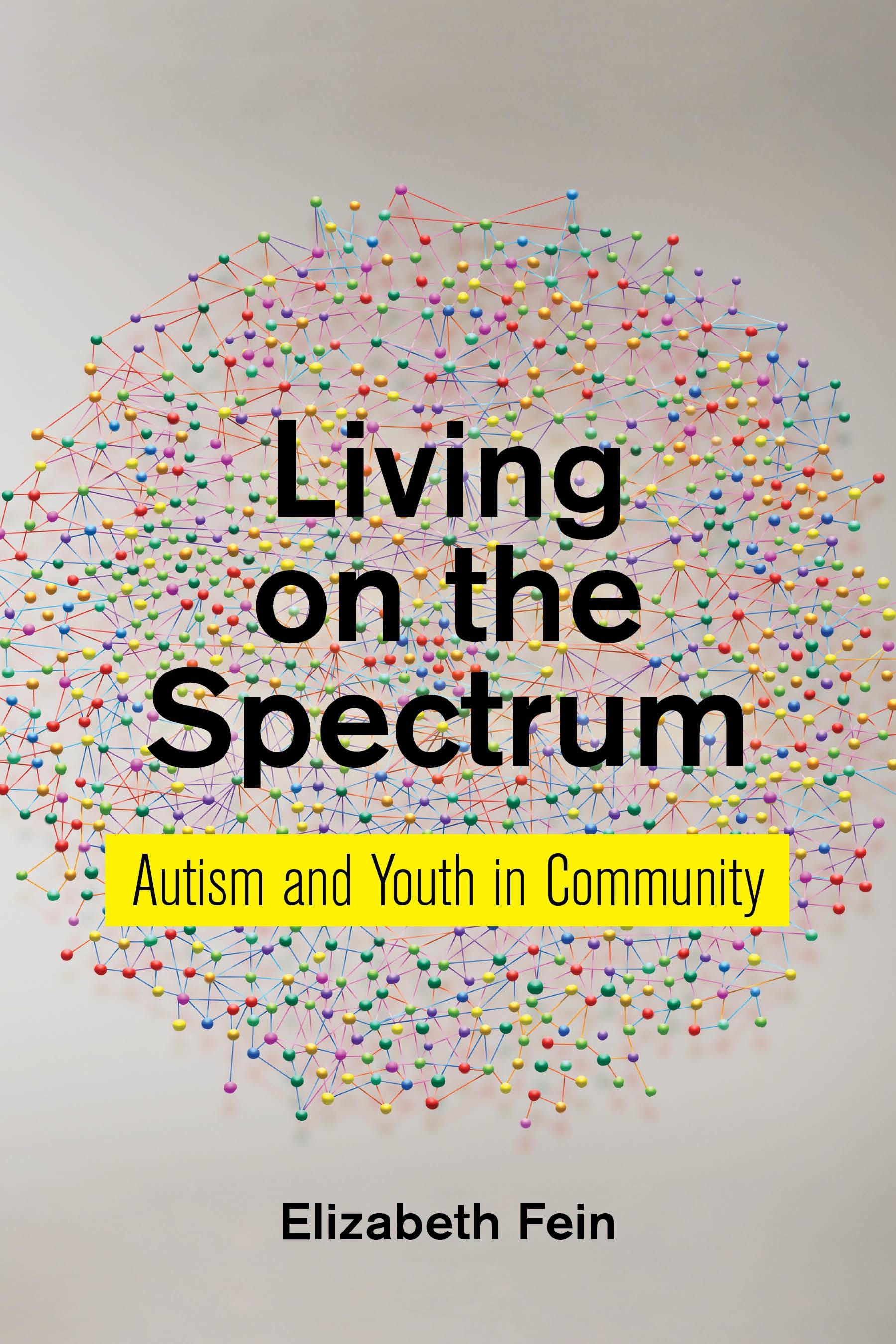
Autism is a deeply contested condition. To some, it is a devastating invader, harming children and isolating them. To others, it is an asset and a distinctive aspect of an individual’s identity. How do young people on the spectrum make sense of this conflict, in the context of their own developing identity?
While most of the research on Asperger’s and related autism conditions has been conducted with individuals or in settings in which people on the spectrum are in the minority, this book draws on two years of ethnographic work in communities that bring people with Asperger’s and related conditions together. It can thus begin to explore a form of autistic culture, through attending to how those on the spectrum make sense of their conditions through shared social practices.
Elizabeth Fein brings her many years of experience in both clinical psychology and psychological anthropology to analyze the connection between neuropsychological difference and culture. She argues that current medical models, which espouse a limited definition, are ill equipped to deal with the challenges of discussing autism-related conditions. Consequently, youths on the autism spectrum reach beyond medicine for their stories of difference and disorder, drawing instead on shared mythologies from popular culture and speculative fiction to conceptualize their experience of changing personhood.
In moving and persuasive prose, Living on the Spectrum illustrates that young people use these stories to pioneer more inclusive understandings of what makes us who we are.
Before Memmo my notes were scattered across PDFs. Now a workspace pulls everything into one place — I see exactly what's still left to study.
Memmo's summaries are gold before exams. I don't have to re-read 800 pages two weeks before — just the important parts.
The AI chat has saved me the night before an exam more than once. I just keep asking until I get it — no waiting on a study group to reply.
The quizzes hit exactly what I need to know. Memmo tracks what I get stuck on — so I only practice what's worth it.
Flashcards with spaced repetition are magic. Memmo knows when I'm about to forget something and brings it back.
The AI podcasts are my favorite. I listen on my way to school and get a recap without sitting at a computer.

Handbok i kvalitativa metoder
281 kr

Hållbar utveckling: en introduktion för ingenjörer och andra problemlösare
334 kr

Brymans Samhällsvetenskapliga metoder
390 kr

Projektledning
491 kr

Den orättvisa hälsan: om socioekonomiska skillnader i hälsa och livslängd
326 kr

Vetenskapsteori för nybörjare
196 kr

Organizational Leadership
429 kr

På väg mot läraryrket
172 kr

Det sociala livet i skolan: Socialpsykologiska perspektiv
253 kr

Betygsättningens didaktik
151 kr

Personality
402 kr

Studying Leadership
404 kr

Managing Innovation
477 kr

Introduktion till samhällsvetenskaplig metod
347 kr

The Psychology of Sex and Gender
698 kr

Evidens och kunskap för socialt arbete
207 kr

Introduction to Leadership
605 kr