
Before Memmo my notes were scattered across PDFs. Now a workspace pulls everything into one place — I see exactly what's still left to study.
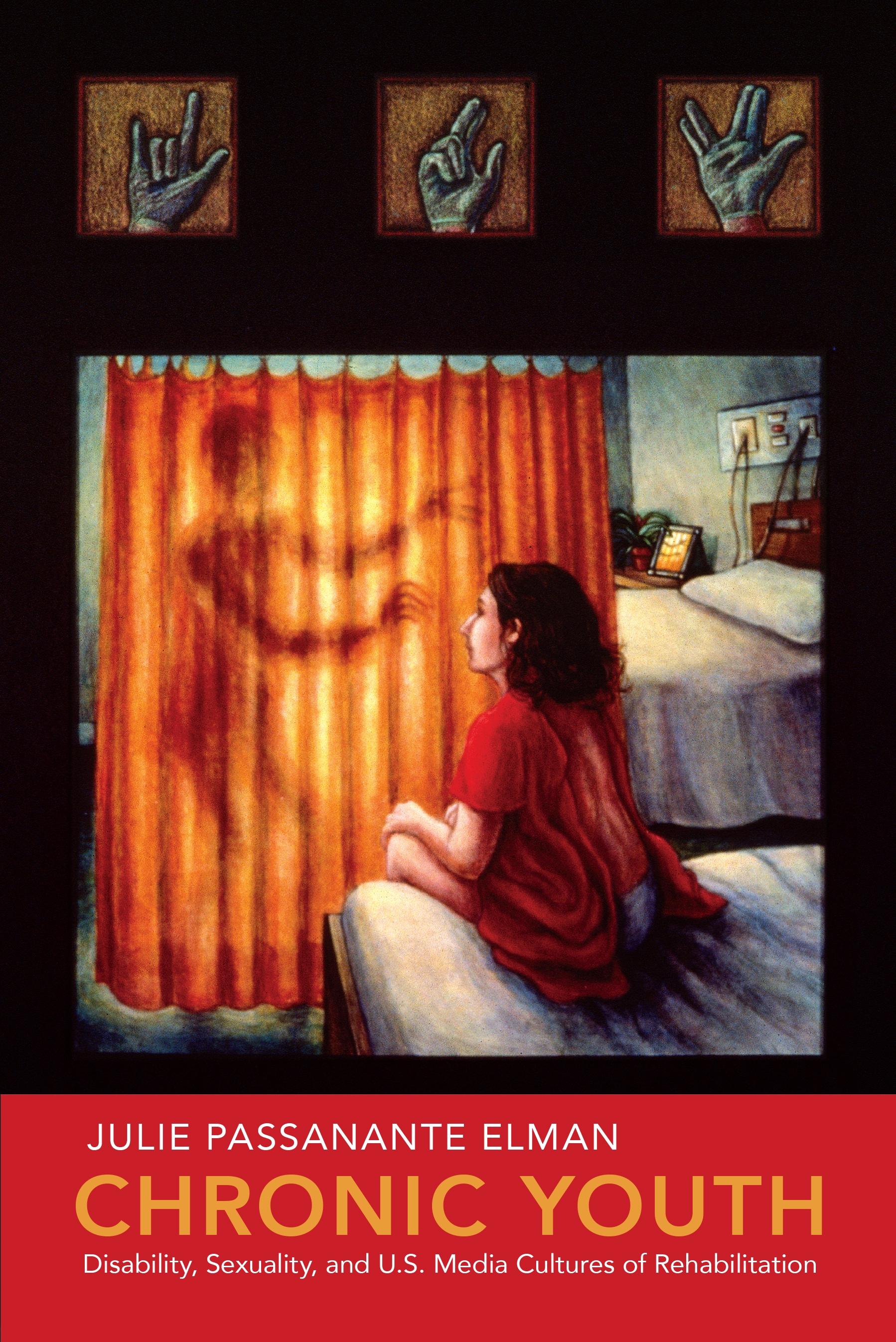
The teenager has often appeared in culture as an anxious figure, the repository for American dreams and worst nightmares, at once on the brink of success and imminent failure. Spotlighting the “troubled teen” as a site of pop cultural, medical, and governmental intervention, Chronic Youth traces the teenager as a figure through which broad threats to the normative order have been negotiated and contained.
Examining television, popular novels, science journalism, new media, and public policy, Julie Passanante Elman shows how the teenager became a cultural touchstone for shifting notions of able-bodiedness, heteronormativity, and neoliberalism in the late twentieth century. By the late 1970s, media industries as well as policymakers began developing new problem-driven ‘edutainment’ prominently featuring narratives of disability—from the immunocompromised The Boy in the Plastic Bubble to ABC’s After School Specials and teen sick-lit. Although this conjoining of disability and adolescence began as a storytelling convention, disability became much more than a metaphor as the process of medicalizing adolescence intensified by the 1990s, with parenting books containing neuro-scientific warnings about the incomplete and volatile “teen brain.” Undertaking a cultural history of youth that combines disability, queer, feminist, and comparative media studies, Elman offers a provocative new account of how American cultural producers, policymakers, and medical professionals have mobilized discourses of disability to cast adolescence as a treatable “condition.” By tracing the teen’s uneven passage from postwar rebel to 21st century patient, Chronic Youth shows how teenagers became a lynchpin for a culture of perpetual rehabilitation and neoliberal governmentality.
Before Memmo my notes were scattered across PDFs. Now a workspace pulls everything into one place — I see exactly what's still left to study.
Memmo's summaries are gold before exams. I don't have to re-read 800 pages two weeks before — just the important parts.
The AI chat has saved me the night before an exam more than once. I just keep asking until I get it — no waiting on a study group to reply.
The quizzes hit exactly what I need to know. Memmo tracks what I get stuck on — so I only practice what's worth it.
Flashcards with spaced repetition are magic. Memmo knows when I'm about to forget something and brings it back.
The AI podcasts are my favorite. I listen on my way to school and get a recap without sitting at a computer.

Handbok i kvalitativa metoder
281 kr

Hållbar utveckling: en introduktion för ingenjörer och andra problemlösare
334 kr

Brymans Samhällsvetenskapliga metoder
390 kr

Projektledning
491 kr

Den orättvisa hälsan: om socioekonomiska skillnader i hälsa och livslängd
326 kr

Organizational Leadership
429 kr

Vetenskapsteori för nybörjare
196 kr

På väg mot läraryrket
172 kr

Det sociala livet i skolan: Socialpsykologiska perspektiv
253 kr

Betygsättningens didaktik
151 kr

Personality
402 kr

Studying Leadership
404 kr

Managing Innovation
477 kr

Introduktion till samhällsvetenskaplig metod
347 kr

The Psychology of Sex and Gender
698 kr

Evidens och kunskap för socialt arbete
207 kr

Introduction to Leadership
605 kr