
Before Memmo my notes were scattered across PDFs. Now a workspace pulls everything into one place — I see exactly what's still left to study.
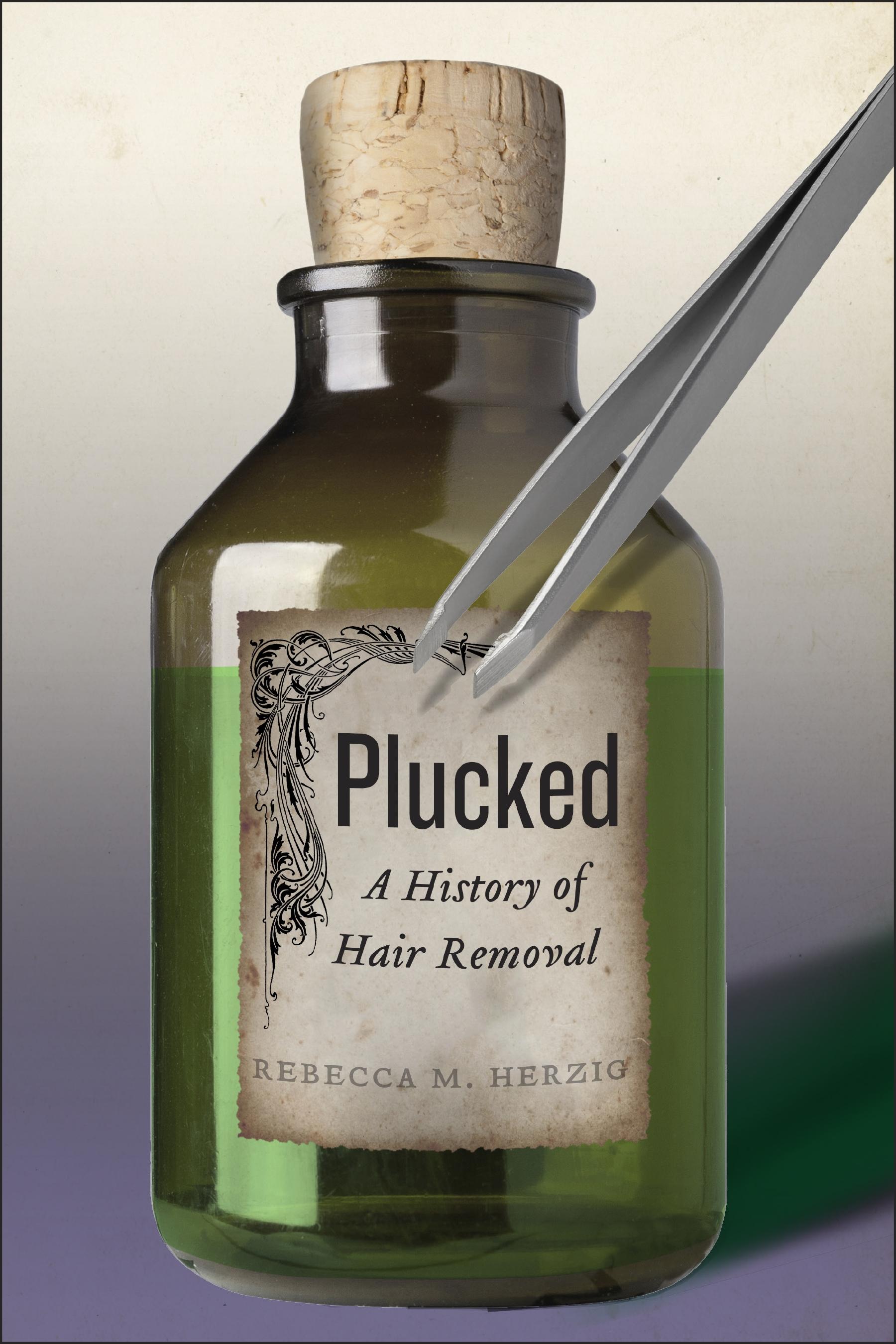
Uncovers the history of hair removal practices and sheds light on the prolific culture of beauty
From the clamshell razors and homemade lye depilatories used in colonial America to the diode lasers and prescription pharmaceuticals available today, Americans have used a staggering array of tools to remove hair deemed unsightly, unnatural, or excessive. This is true especially for women and girls; conservative estimates indicate that 99% of American women have tried hair removal, and at least 85% regularly remove hair from their faces, armpits, legs, and bikini lines. How and when does hair become a problem—what makes some growth “excessive”? Who or what separates the necessary from the superfluous?
In Plucked, historian Rebecca Herzig addresses these questions about hair removal. She shows how, over time, dominant American beliefs about visible hair changed: where once elective hair removal was considered a “mutilation” practiced primarily by “savage” men, by the turn of the twentieth century, hair-free faces and limbs were expected for women. Visible hair growth—particularly on young, white women—came to be perceived as a sign of political extremism, sexual deviance, or mental illness. By the turn of the twenty-first century, more and more Americans were waxing, threading, shaving, or lasering themselves smooth. Herzig’s extraordinary account also reveals some of the collateral damages of the intensifying pursuit of hair-free skin. Moving beyond the experiences of particular patients or clients, Herzig describes the surprising histories of race, science, industry, and medicine behind today's hair-removing tools. Plucked is an unsettling, gripping, and original tale of the lengths to which Americans will go to remove hair.
Before Memmo my notes were scattered across PDFs. Now a workspace pulls everything into one place — I see exactly what's still left to study.
Memmo's summaries are gold before exams. I don't have to re-read 800 pages two weeks before — just the important parts.
The AI chat has saved me the night before an exam more than once. I just keep asking until I get it — no waiting on a study group to reply.
The quizzes hit exactly what I need to know. Memmo tracks what I get stuck on — so I only practice what's worth it.
Flashcards with spaced repetition are magic. Memmo knows when I'm about to forget something and brings it back.
The AI podcasts are my favorite. I listen on my way to school and get a recap without sitting at a computer.

Handbok i kvalitativa metoder
281 kr

Hållbar utveckling: en introduktion för ingenjörer och andra problemlösare
334 kr

Brymans Samhällsvetenskapliga metoder
390 kr

Projektledning
491 kr

Den orättvisa hälsan: om socioekonomiska skillnader i hälsa och livslängd
326 kr

Organizational Leadership
429 kr

Vetenskapsteori för nybörjare
196 kr

På väg mot läraryrket
172 kr

Det sociala livet i skolan: Socialpsykologiska perspektiv
253 kr

Betygsättningens didaktik
151 kr

Personality
402 kr

Studying Leadership
404 kr

Managing Innovation
477 kr

Introduktion till samhällsvetenskaplig metod
347 kr

The Psychology of Sex and Gender
698 kr

Evidens och kunskap för socialt arbete
207 kr

Introduction to Leadership
605 kr