
Before Memmo my notes were scattered across PDFs. Now a workspace pulls everything into one place — I see exactly what's still left to study.
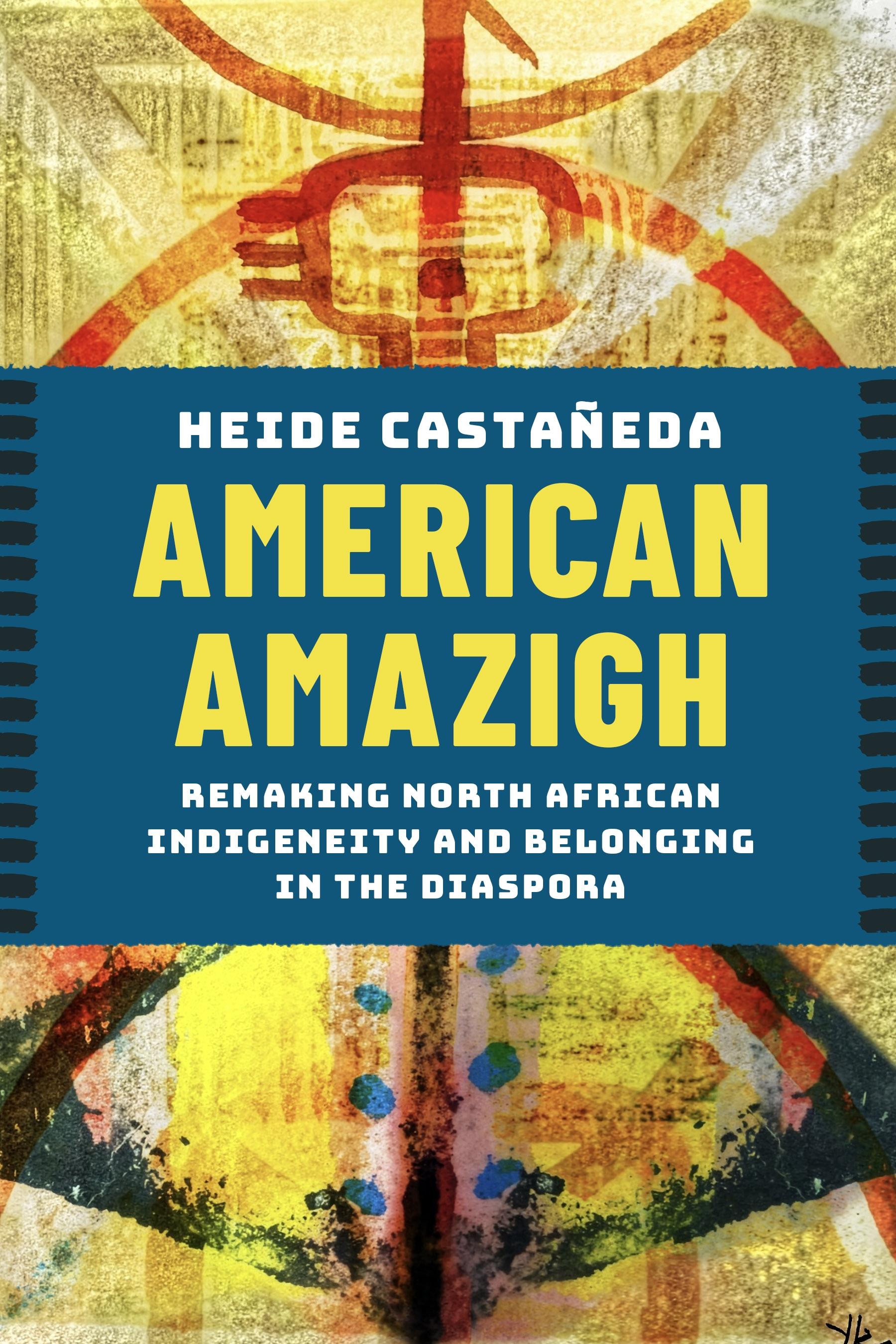
How an indigenous group from North Africa challenges dominant narratives of race, migration, and belonging in the United States
American Amazigh examines the complex identity negotiations of Amazigh people—also known as Berbers—as they build community and claim visibility in the American landscape. These distinct ethnic groups, whose histories predate the arrival of Arabs in North Africa, unsettle categories of race and ethnicity in the U.S., challenging dominant assumptions about what it means to be African, Indigenous, and Muslim. Their experiences also disrupt familiar immigration narratives, revealing the complexities and challenges of legal migration processes such as family reunification and the Diversity Immigrant Visa program.
In seeking to make their struggles for recognition legible within the American context, Amazigh communities grapple with conditional belonging while also bearing the legacy of marginalization in their home countries, which is rooted in colonial divisions, postcolonial nationalism, and Arabization policies, fostering systemic discrimination. In the diaspora, Amazigh identity is being actively reshaped as individuals and organizations engage with new ideological frameworks, global Indigenous rights movements, and recent political gains in North Africa, where they have long fought for linguistic, cultural, and legal equality.
The Indigenous perspective has been largely missing from the literature on migration. Drawing on four years of ethnographic research, and framed around the concept of diasporic indigeneity, the book explores how the Amazigh people forge new anchors of belonging and create spaces of social cohesion. By uncovering both the opportunities and challenges presented in the American context, the book moves beyond conventional migration narratives to illuminate how identity and belonging are continually translated and reconfigured within new places.
Before Memmo my notes were scattered across PDFs. Now a workspace pulls everything into one place — I see exactly what's still left to study.
Memmo's summaries are gold before exams. I don't have to re-read 800 pages two weeks before — just the important parts.
The AI chat has saved me the night before an exam more than once. I just keep asking until I get it — no waiting on a study group to reply.
The quizzes hit exactly what I need to know. Memmo tracks what I get stuck on — so I only practice what's worth it.
Flashcards with spaced repetition are magic. Memmo knows when I'm about to forget something and brings it back.
The AI podcasts are my favorite. I listen on my way to school and get a recap without sitting at a computer.

Handbok i kvalitativa metoder
281 kr

Hållbar utveckling: en introduktion för ingenjörer och andra problemlösare
334 kr

Brymans Samhällsvetenskapliga metoder
390 kr

Projektledning
491 kr

Den orättvisa hälsan: om socioekonomiska skillnader i hälsa och livslängd
326 kr

Organizational Leadership
429 kr

Vetenskapsteori för nybörjare
196 kr

På väg mot läraryrket
172 kr

Det sociala livet i skolan: Socialpsykologiska perspektiv
253 kr

Betygsättningens didaktik
151 kr

Personality
402 kr

Studying Leadership
404 kr

Managing Innovation
477 kr

Introduktion till samhällsvetenskaplig metod
347 kr

The Psychology of Sex and Gender
698 kr

Evidens och kunskap för socialt arbete
207 kr

Introduction to Leadership
605 kr