
Before Memmo my notes were scattered across PDFs. Now a workspace pulls everything into one place — I see exactly what's still left to study.
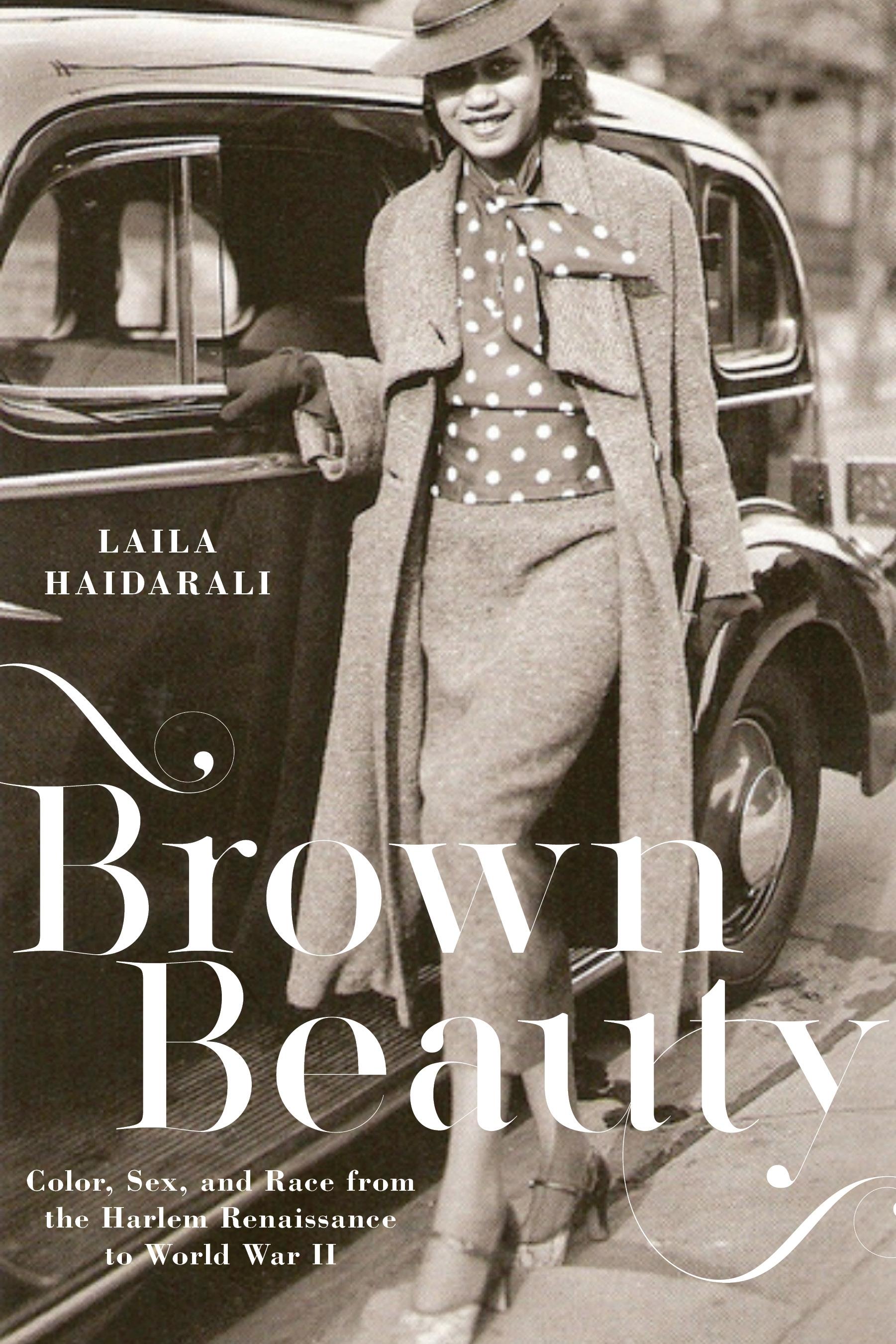
Examines how the media influenced ideas of race and beauty among African American women from the Harlem Renaissance to World War II.
Between the Harlem Renaissance and the end of World War II, a complicated discourse emerged surrounding considerations of appearance of African American women and expressions of race, class, and status. Brown Beauty considers how the media created a beauty ideal for these women, emphasizing different representations and expressions of brown skin.
Haidarali contends that the idea of brown as a “respectable shade” was carefully constructed through print and visual media in the interwar era. Throughout this period, brownness of skin came to be idealized as the real, representational, and respectable complexion of African American middle class women. Shades of brown became channels that facilitated discussions of race, class, and gender in a way that would develop lasting cultural effects for an ever-modernizing world.
Building on an impressive range of visual and media sources—from newspapers, journals, magazines, and newsletters to commercial advertising—Haidarali locates a complex, and sometimes contradictory, set of cultural values at the core of representations of women, envisioned as “brown-skin.” She explores how brownness affected socially-mobile New Negro women in the urban environment during the interwar years, showing how the majority of messages on brownness were directed at an aspirant middle-class. By tracing brown’s changing meanings across this period, and showing how a visual language of brown grew into a dynamic racial shorthand used to denote modern African American womanhood, Brown Beauty demonstrates the myriad values and judgments, compromises and contradictions involved in the social evaluation of women. This book is an eye-opening account of the intense dynamics between racial identity and the influence mass media has on what, and who we consider beautiful.
Before Memmo my notes were scattered across PDFs. Now a workspace pulls everything into one place — I see exactly what's still left to study.
Memmo's summaries are gold before exams. I don't have to re-read 800 pages two weeks before — just the important parts.
The AI chat has saved me the night before an exam more than once. I just keep asking until I get it — no waiting on a study group to reply.
The quizzes hit exactly what I need to know. Memmo tracks what I get stuck on — so I only practice what's worth it.
Flashcards with spaced repetition are magic. Memmo knows when I'm about to forget something and brings it back.
The AI podcasts are my favorite. I listen on my way to school and get a recap without sitting at a computer.

Handbok i kvalitativa metoder
281 kr

Hållbar utveckling: en introduktion för ingenjörer och andra problemlösare
334 kr

Brymans Samhällsvetenskapliga metoder
390 kr

Projektledning
491 kr

Den orättvisa hälsan: om socioekonomiska skillnader i hälsa och livslängd
326 kr

Organizational Leadership
429 kr

Vetenskapsteori för nybörjare
196 kr

På väg mot läraryrket
172 kr

Det sociala livet i skolan: Socialpsykologiska perspektiv
253 kr

Betygsättningens didaktik
151 kr

Personality
402 kr

Studying Leadership
404 kr

Managing Innovation
477 kr

Introduktion till samhällsvetenskaplig metod
347 kr

The Psychology of Sex and Gender
698 kr

Evidens och kunskap för socialt arbete
207 kr

Introduction to Leadership
605 kr