
Before Memmo my notes were scattered across PDFs. Now a workspace pulls everything into one place — I see exactly what's still left to study.
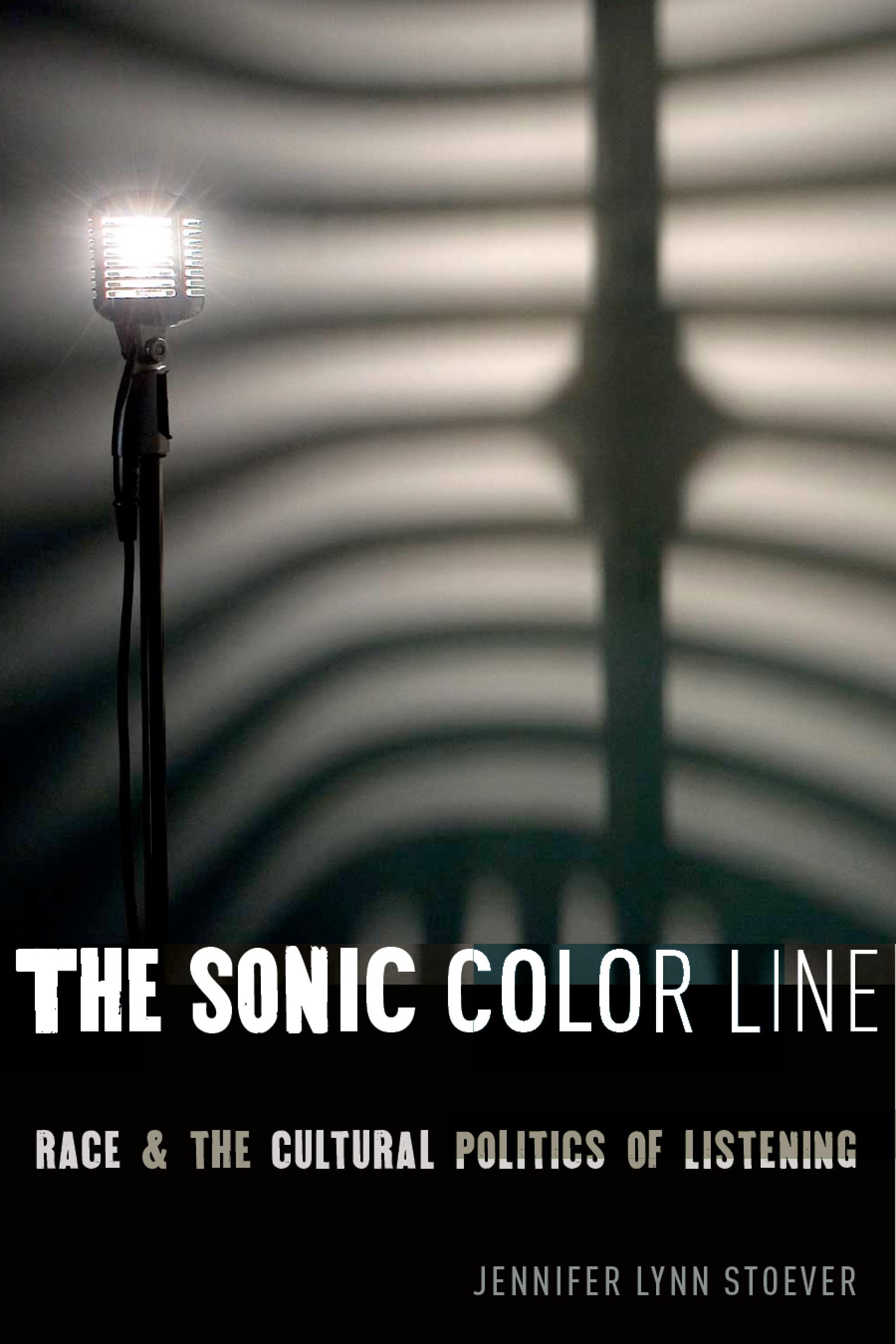
The unheard history of how race and racism are constructed from sound and maintained through the listening ear.
Race is a visual phenomenon, the ability to see “difference.” At least that is what conventional wisdom has lead us to believe. Yet, The Sonic Color Line argues that American ideologies of white supremacy are just as dependent on what we hear—voices, musical taste, volume—as they are on skin color or hair texture. Reinforcing compelling new ideas about the relationship between race and sound with meticulous historical research, Jennifer Lynn Stoever helps us to better understand how sound and listening not only register the racial politics of our world, but actively produce them. Through analysis of the historical traces of sounds of African American performers, Stoever reveals a host of racialized aural representations operating at the level of the unseen—the sonic color line—and exposes the racialized listening practices she figures as “the listening ear.”
Using an innovative multimedia archive spanning 100 years of American history (1845-1945) and several artistic genres—the slave narrative, opera, the novel, so-called “dialect stories,” folk and blues, early sound cinema, and radio drama—The Sonic Color Line explores how black thinkers conceived the cultural politics of listening at work during slavery, Reconstruction, and Jim Crow. By amplifying Harriet Jacobs, Frederick Douglass, Elizabeth Taylor Greenfield, Charles Chesnutt, The Fisk Jubilee Singers, Ann Petry, W.E.B. Du Bois, and Lena Horne as agents and theorists of sound, Stoever provides a new perspective on key canonical works in African American literary history. In the process, she radically revises the established historiography of sound studies. The Sonic Color Line sounds out how Americans have created, heard, and resisted “race,” so that we may hear our contemporary world differently.
Before Memmo my notes were scattered across PDFs. Now a workspace pulls everything into one place — I see exactly what's still left to study.
Memmo's summaries are gold before exams. I don't have to re-read 800 pages two weeks before — just the important parts.
The AI chat has saved me the night before an exam more than once. I just keep asking until I get it — no waiting on a study group to reply.
The quizzes hit exactly what I need to know. Memmo tracks what I get stuck on — so I only practice what's worth it.
Flashcards with spaced repetition are magic. Memmo knows when I'm about to forget something and brings it back.
The AI podcasts are my favorite. I listen on my way to school and get a recap without sitting at a computer.

Handbok i kvalitativa metoder
281 kr

Hållbar utveckling: en introduktion för ingenjörer och andra problemlösare
334 kr

Brymans Samhällsvetenskapliga metoder
390 kr

Projektledning
491 kr

Den orättvisa hälsan: om socioekonomiska skillnader i hälsa och livslängd
326 kr

Organizational Leadership
429 kr

Vetenskapsteori för nybörjare
196 kr

På väg mot läraryrket
172 kr

Det sociala livet i skolan: Socialpsykologiska perspektiv
253 kr

Betygsättningens didaktik
151 kr

Personality
402 kr

Studying Leadership
404 kr

Managing Innovation
477 kr

Introduktion till samhällsvetenskaplig metod
347 kr

The Psychology of Sex and Gender
698 kr

Evidens och kunskap för socialt arbete
207 kr

Introduction to Leadership
605 kr