
Before Memmo my notes were scattered across PDFs. Now a workspace pulls everything into one place — I see exactly what's still left to study.
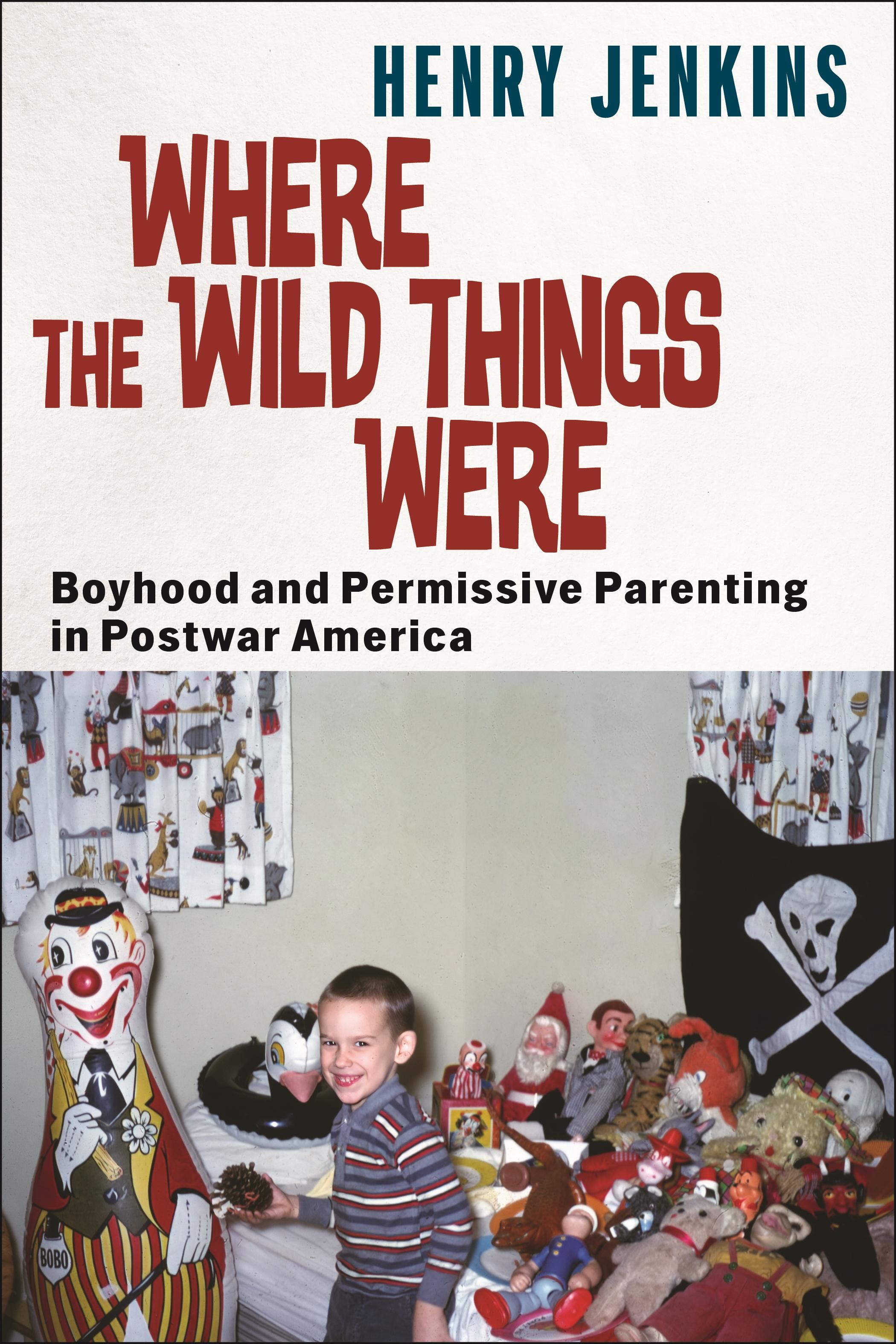
Explores iconic works from The Cat in the Hat to The Twilight Zone to explain cultural trends in parenting and how we conceptualize childhood
The 60s produced a Baby Boom generation that catalyzed the dawn of a new era—the space age, the age of television, the global age, and the beginnings of civil rights. At the same time, a new paradigm for parenting was unfolding that put emphasis on permissiveness, defined by what it permitted – the free and unfettered impulses of children. Others worried that the wildness of children, personified by the characters in Maurice Sendak’s 1963 classic children’s book, Where the Wild Things Are, was destructive, disruptive and disrespectful.
Where the Wild Things Were centers on the exploding, contentious national conversation about the nature of childhood and parenting in the postwar US emblematized by Dr. Spock’s Baby and Child Care. Renowned scholar Henry Jenkins demonstrates that the language that shaped a growing field of advice literature for parents also informed the period’s fictions—in film, television, comics, children’s books, and elsewhere—produced for and consumed by children. In particular, Jenkins demonstrates, the era’s emblematic child was the boy in the striped shirt: white, male, suburban, middle class, Christian, and above all, American.
Weaving together intellectual histories and popular texts, Jenkins shows how boy protagonists became embodiments of permissive child rearing, as well as the social ideals and contradictions that permissiveness entailed. From Peanuts comic strips and TV specials to The Cat in the Hat, Dennis the Menace, and Jonny Quest, the book reveals how childhood and the stories about it became central to Cold War concerns with democracy, citizenship, globalization, the space race, science, race relations, gender, and sexuality. Written by a former boy in a striped shirt, Where the Wild Things Were explores iconic works, from Mary Poppins to Lost in Space, contextualizing them through a critical but respectful engagement with the core animating ideas of the permissive imagination.
Before Memmo my notes were scattered across PDFs. Now a workspace pulls everything into one place — I see exactly what's still left to study.
Memmo's summaries are gold before exams. I don't have to re-read 800 pages two weeks before — just the important parts.
The AI chat has saved me the night before an exam more than once. I just keep asking until I get it — no waiting on a study group to reply.
The quizzes hit exactly what I need to know. Memmo tracks what I get stuck on — so I only practice what's worth it.
Flashcards with spaced repetition are magic. Memmo knows when I'm about to forget something and brings it back.
The AI podcasts are my favorite. I listen on my way to school and get a recap without sitting at a computer.

Handbok i kvalitativa metoder
281 kr

Hållbar utveckling: en introduktion för ingenjörer och andra problemlösare
334 kr

Brymans Samhällsvetenskapliga metoder
390 kr

Projektledning
491 kr

Den orättvisa hälsan: om socioekonomiska skillnader i hälsa och livslängd
326 kr

Organizational Leadership
429 kr

Vetenskapsteori för nybörjare
196 kr

På väg mot läraryrket
172 kr

Det sociala livet i skolan: Socialpsykologiska perspektiv
253 kr

Betygsättningens didaktik
151 kr

Personality
402 kr

Studying Leadership
404 kr

Managing Innovation
477 kr

Introduktion till samhällsvetenskaplig metod
347 kr

The Psychology of Sex and Gender
698 kr

Evidens och kunskap för socialt arbete
207 kr

Introduction to Leadership
605 kr