
Before Memmo my notes were scattered across PDFs. Now a workspace pulls everything into one place — I see exactly what's still left to study.
How Chinese citizens use social media
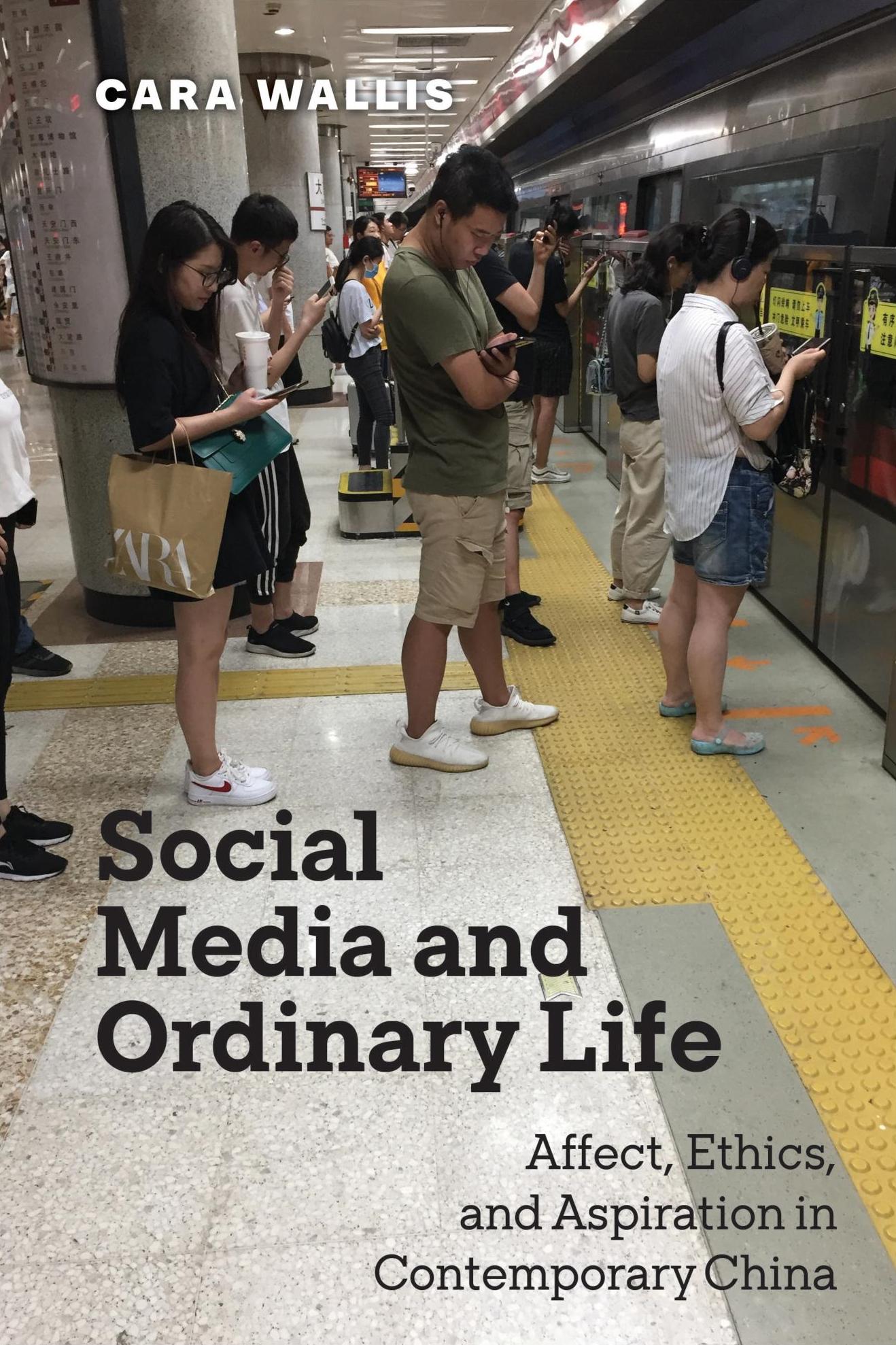
Focusing on domestic workers, rural microentrepreneurs, disadvantaged young creatives, and young feminists, Social Media and Ordinary Life is a deeply moving ethnography of how digital media infrastructures and platforms are woven into the rhythms of ordinary, everyday life. In choosing to foreground marginalized groups and communities, Cara Wallis gently shifts our attention away from the world of “social media influencers” and tech-centric discourses of entrepreneurial lives towards a decidedly ambivalent terrain of routine life practices.
Social Media and Ordinary Life argues that understanding these individual experiences of the everyday enables greater insight into larger transformations taking place in contemporary China. Through long-term ethnographic fieldwork across China, Wallis foregrounds the entanglement of affect, emotion, ordinary ethical decisions, and desires connected to social media as it is used for self-expression, self-representation, fights for equality, maintenance of community, and economic livelihood. Four case studies show how social media is integrated into the articulation of affects by a wide variety of “ordinary” Chinese subjects: disadvantaged young creatives who migrate to Beijing from rural areas and use social media to cultivate their personal aesthetics; micro-entrepreneurs in rural Shandong province, especially women whose affective ties to the patriarchal family constrain their use of technology for economic enhancement; domestic workers, all women, in urban homes who use social media to build community and construct themselves as ethical subjects; and young feminists spread across China who engage in various types of cultural production and deploy social media in their fight for gender equality, often facing social and/or political marginalization in the process.
Amid daunting forces—big data, artificial intelligence, massive surveillance—this book centers the “small,” showing how structural inequality, the urban/rural divide, patriarchal gender norms, and generational differences lead to contradictory or ambivalent outcomes of technology use. Even so, for these individuals and many others, social media is deeply intertwined with aspirations for a better future.
Before Memmo my notes were scattered across PDFs. Now a workspace pulls everything into one place — I see exactly what's still left to study.
Memmo's summaries are gold before exams. I don't have to re-read 800 pages two weeks before — just the important parts.
The AI chat has saved me the night before an exam more than once. I just keep asking until I get it — no waiting on a study group to reply.
The quizzes hit exactly what I need to know. Memmo tracks what I get stuck on — so I only practice what's worth it.
Flashcards with spaced repetition are magic. Memmo knows when I'm about to forget something and brings it back.
The AI podcasts are my favorite. I listen on my way to school and get a recap without sitting at a computer.

Handbok i kvalitativa metoder
281 kr

Hållbar utveckling: en introduktion för ingenjörer och andra problemlösare
334 kr

Brymans Samhällsvetenskapliga metoder
390 kr

Projektledning
491 kr

Den orättvisa hälsan: om socioekonomiska skillnader i hälsa och livslängd
326 kr

Vetenskapsteori för nybörjare
196 kr

Organizational Leadership
429 kr

På väg mot läraryrket
172 kr

Det sociala livet i skolan: Socialpsykologiska perspektiv
253 kr

Betygsättningens didaktik
151 kr

Personality
402 kr

Studying Leadership
404 kr

Managing Innovation
477 kr

Introduktion till samhällsvetenskaplig metod
347 kr

The Psychology of Sex and Gender
698 kr

Evidens och kunskap för socialt arbete
207 kr

Introduction to Leadership
605 kr