
Before Memmo my notes were scattered across PDFs. Now a workspace pulls everything into one place — I see exactly what's still left to study.
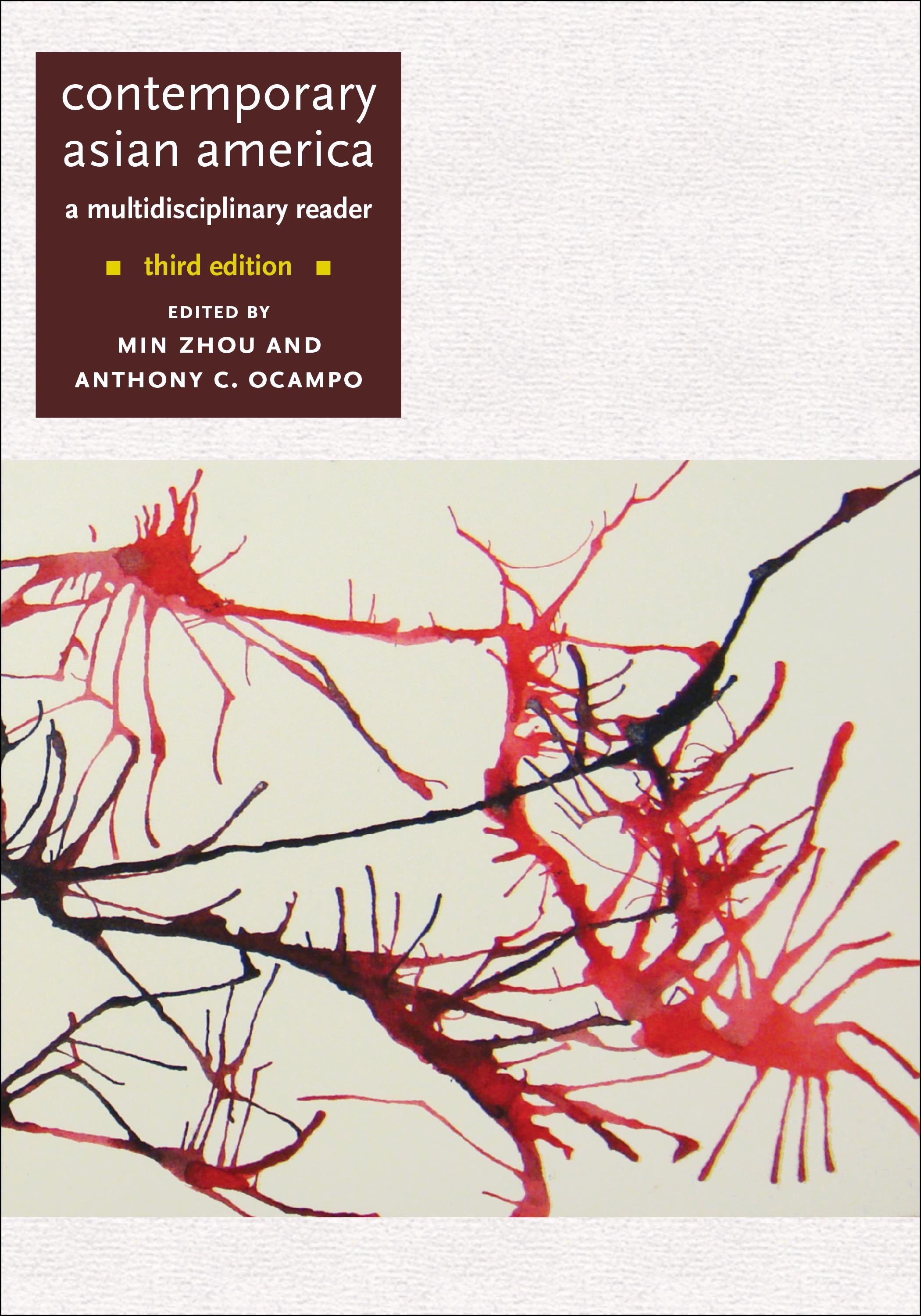
The third edition of the foundational volume in Asian American studies
Who are Asian Americans? Moving beyond popular stereotypes of the “model minority” or “forever foreigner,” most Americans know surprisingly little of the nation’s fastest growing minority population. Since the 1960s, when different Asian immigrant groups came together under the “Asian American” umbrella, they have tirelessly carved out their presence in the labor market, education, politics, and pop culture. Many times, they have done so in the face of racism, discrimination, sexism, homophobia, and socioeconomic disadvantage. Today, contemporary Asian America has emerged as an incredibly diverse population, with each segment of the community facing its unique challenges.
When Contemporary Asian America was first published in 2000, it exposed its readers to the formation and development of Asian American studies as an academic field of study, from its inception as part of the ethnic consciousness movement of the 1960s to the systematic inquiry into more contemporary theoretical and practical issues facing Asian America at the century’s end. It was the first volume to integrate a broad range of interdisciplinary research and approaches from a social science perspective to assess the effects of immigration, community development, and socialization on Asian American communities. This updated third edition discusses the impact of September 11 on Asian American identity and citizenship; the continued influence of globalization on past and present waves of immigration; and the intersection of race, gender, sexuality, and class on the experiences of Asian immigrants and their children. The volume also provides study questions and recommended supplementary readings and documentary films. This critical text offers a broad overview of Asian American studies and the current state of Asian America.
Before Memmo my notes were scattered across PDFs. Now a workspace pulls everything into one place — I see exactly what's still left to study.
Memmo's summaries are gold before exams. I don't have to re-read 800 pages two weeks before — just the important parts.
The AI chat has saved me the night before an exam more than once. I just keep asking until I get it — no waiting on a study group to reply.
The quizzes hit exactly what I need to know. Memmo tracks what I get stuck on — so I only practice what's worth it.
Flashcards with spaced repetition are magic. Memmo knows when I'm about to forget something and brings it back.
The AI podcasts are my favorite. I listen on my way to school and get a recap without sitting at a computer.

Handbok i kvalitativa metoder
281 kr

Hållbar utveckling: en introduktion för ingenjörer och andra problemlösare
334 kr

Brymans Samhällsvetenskapliga metoder
390 kr

Projektledning
491 kr

Den orättvisa hälsan: om socioekonomiska skillnader i hälsa och livslängd
326 kr

Organizational Leadership
429 kr

Vetenskapsteori för nybörjare
196 kr

På väg mot läraryrket
172 kr

Det sociala livet i skolan: Socialpsykologiska perspektiv
253 kr

Betygsättningens didaktik
151 kr

Personality
402 kr

Studying Leadership
404 kr

Managing Innovation
477 kr

Introduktion till samhällsvetenskaplig metod
347 kr

The Psychology of Sex and Gender
698 kr

Evidens och kunskap för socialt arbete
207 kr

Introduction to Leadership
605 kr