
Before Memmo my notes were scattered across PDFs. Now a workspace pulls everything into one place — I see exactly what's still left to study.
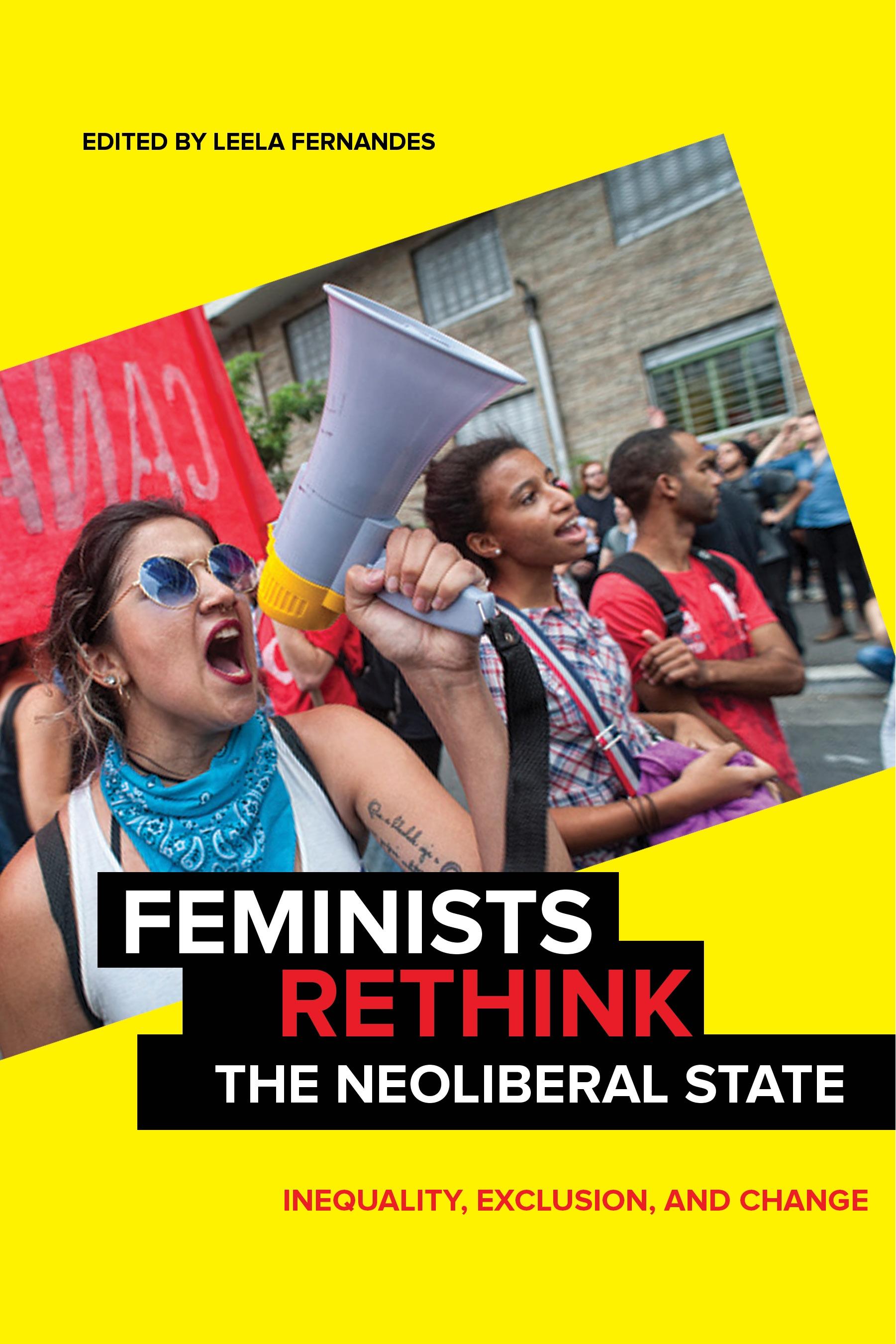
A rich set of feminist perspectives on the varied and often contradictory nature of state practices, structures, and ideologies
Growing socio-economic inequality and exclusion are defining features of the twenty-first century. While debates on globalization, free trade, and economic development have been linked to the paradigm of “neo-liberalism,” it does not explain all the forms of social change that have been unfolding in comparative contexts.
Feminists Rethink the Neoliberal State provides a timely intervention into discussions about the boundaries, practices, and nature of the post-liberalization state, suggesting that an understanding of economic policies, the corresponding rise of socio-economic inequality, and the possibilities for change requires an in-depth reconceptualization.
Drawing on original field research both globally and within the United States, this volume brings together a rich set of perspectives on the varied and often contradictory nature of state practices, structures and ideologies in the post-liberalization era. The essays develop an interdisciplinary approach that treats an understanding of historically-specific forms of inequality—such as gender, race, caste, sexuality and class—as integral to, rather than as after-effects of, the policies and ideologies associated with the “neoliberal project.”
The volume also tackles central questions on the restructuring of the state, the state’s power operations, the relationship between capital and the state, and its interactions with the institutions and organizational forms of civil society in the post-liberalization era. As such, Feminists Rethink the Neoliberal State examines both what is distinctive about this post-liberalization state and what must be contextualized as long-standing features of modern state power.
A truly international and interdisciplinary volume, Feminists Rethink the Neoliberal State deepens our understanding of how policies of economic liberalization shape and produce various forms of inequality.
Before Memmo my notes were scattered across PDFs. Now a workspace pulls everything into one place — I see exactly what's still left to study.
Memmo's summaries are gold before exams. I don't have to re-read 800 pages two weeks before — just the important parts.
The AI chat has saved me the night before an exam more than once. I just keep asking until I get it — no waiting on a study group to reply.
The quizzes hit exactly what I need to know. Memmo tracks what I get stuck on — so I only practice what's worth it.
Flashcards with spaced repetition are magic. Memmo knows when I'm about to forget something and brings it back.
The AI podcasts are my favorite. I listen on my way to school and get a recap without sitting at a computer.

Handbok i kvalitativa metoder
281 kr

Hållbar utveckling: en introduktion för ingenjörer och andra problemlösare
334 kr

Brymans Samhällsvetenskapliga metoder
390 kr

Projektledning
491 kr

Den orättvisa hälsan: om socioekonomiska skillnader i hälsa och livslängd
326 kr

Vetenskapsteori för nybörjare
196 kr

Organizational Leadership
429 kr

På väg mot läraryrket
172 kr

Det sociala livet i skolan: Socialpsykologiska perspektiv
253 kr

Betygsättningens didaktik
151 kr

Personality
402 kr

Studying Leadership
404 kr

Managing Innovation
477 kr

Introduktion till samhällsvetenskaplig metod
347 kr

The Psychology of Sex and Gender
698 kr

Evidens och kunskap för socialt arbete
207 kr

Introduction to Leadership
605 kr