
Before Memmo my notes were scattered across PDFs. Now a workspace pulls everything into one place — I see exactly what's still left to study.
The role of cultural memory in American identity
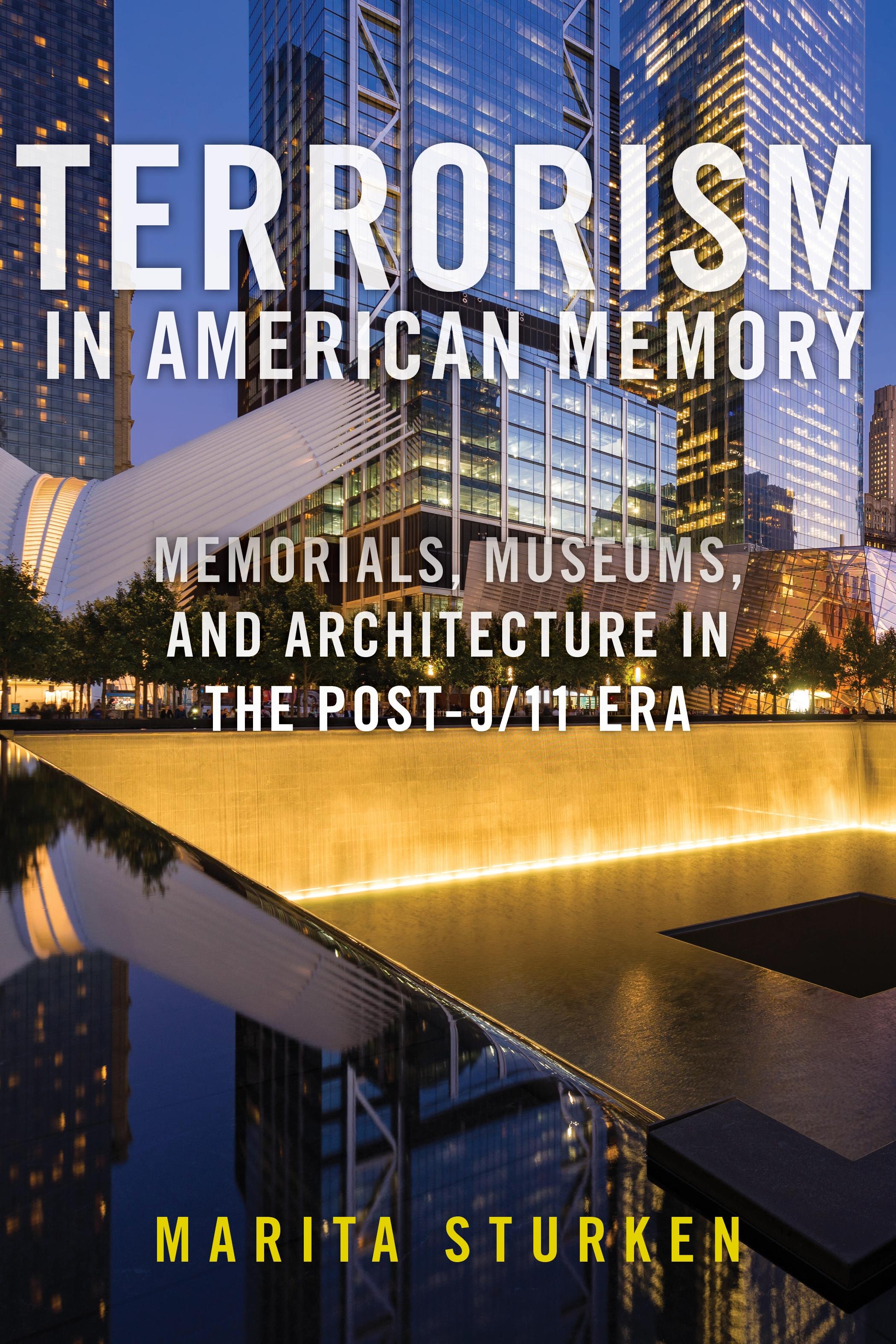
Terrorism in American Memory argues that the terrorist attacks of 9/11 and all that followed in its wake were the primary force shaping United States politics and culture in the post-9/11 era. Marita Sturken maintains that during the past two decades, when the country was subjected to terrorist attacks and promulgated ongoing wars of aggression, we have veered into increasingly polarized factions and been extraordinarily preoccupied with memorialization and the politics of memory.
The post-9/11 era began with a hunger for memorialization and it ended with massive protests over police brutality that demanded the destruction of historical monuments honoring racist historical figures. Sturken argues that memory is both the battleground and the site for negotiations of national identity because it is a field through which the past is experienced in the present. The paradox of these last two decades is that it gave rise to an era of intensely nationalistic politics in response to global terrorism at the same time that it released the containment of the ghosts of terrorism embedded within US history. And within that disruption, new stories emerged, new memories were unearthed, and the story of the nation is being rewritten. For these reasons, this book argues that the post-9/11 era has come to an end, and we are now in a new still undefined era with new priorities and national demands.
An era preoccupied with memory thus begins with the memorial projects of 9/11 and ends with the radical intervention of the National Memorial for Peace and Justice, informally known as the Lynching Memorial, in Montgomery, Alabama, a project that, unlike the nationalistic 9/11 Memorial and Museum in New York, dramatically rewrites the national script of American history. Woven within analyses of memorialization, memorials, memory museums, art projects on memory, and architectural projects is a discussion about design and architecture, the increased creation of memorials as experiences, and the role of architecture as national symbolism and renewal. Terrorism in American Memory sheds light on the struggles over who is memorialized, who is forgotten, and what that politics of memory reveals about the United States as an imaginary and a nation.
Before Memmo my notes were scattered across PDFs. Now a workspace pulls everything into one place — I see exactly what's still left to study.
Memmo's summaries are gold before exams. I don't have to re-read 800 pages two weeks before — just the important parts.
The AI chat has saved me the night before an exam more than once. I just keep asking until I get it — no waiting on a study group to reply.
The quizzes hit exactly what I need to know. Memmo tracks what I get stuck on — so I only practice what's worth it.
Flashcards with spaced repetition are magic. Memmo knows when I'm about to forget something and brings it back.
The AI podcasts are my favorite. I listen on my way to school and get a recap without sitting at a computer.

Handbok i kvalitativa metoder
281 kr

Hållbar utveckling: en introduktion för ingenjörer och andra problemlösare
334 kr

Brymans Samhällsvetenskapliga metoder
390 kr

Projektledning
491 kr

Den orättvisa hälsan: om socioekonomiska skillnader i hälsa och livslängd
326 kr

Vetenskapsteori för nybörjare
196 kr

Organizational Leadership
429 kr

På väg mot läraryrket
172 kr

Det sociala livet i skolan: Socialpsykologiska perspektiv
253 kr

Betygsättningens didaktik
151 kr

Personality
402 kr

Studying Leadership
404 kr

Managing Innovation
477 kr

Introduktion till samhällsvetenskaplig metod
347 kr

The Psychology of Sex and Gender
698 kr

Evidens och kunskap för socialt arbete
207 kr

Introduction to Leadership
605 kr