
Before Memmo my notes were scattered across PDFs. Now a workspace pulls everything into one place — I see exactly what's still left to study.
HONORABLE MENTION, HARRY SHAW AND KATRINA HAZZARD-DONALD AWARD FOR OUTSTANDING WORK IN AFRICAN-AMERICAN POPULAR CULTURE STUDIES, GIVEN BY THE POP CULTURE ASSOCIATION
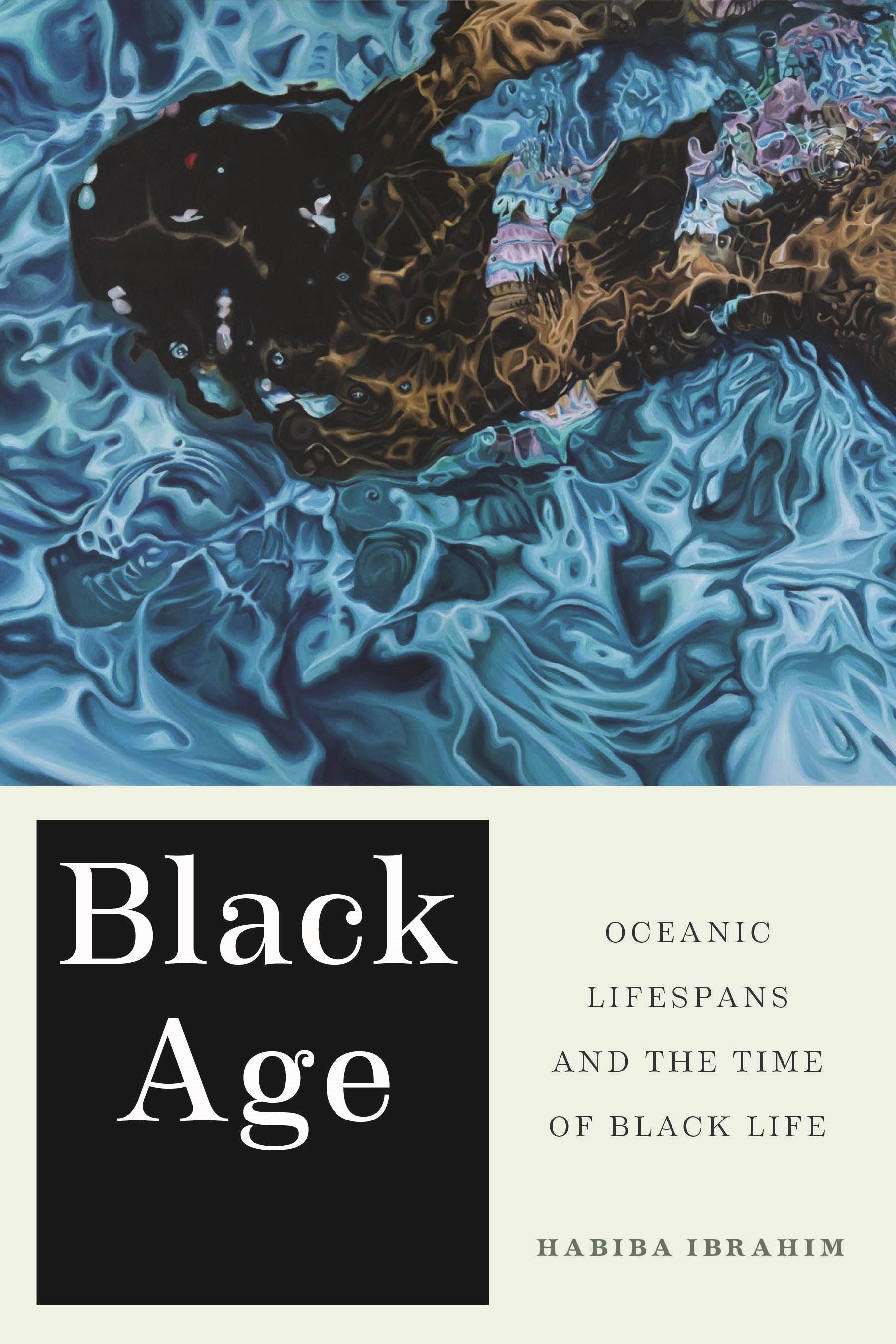
A view of transatlantic slavery’s afterlife and modern Blackness through the lens of age
Although more than fifty years apart, the murders of Emmett Till and Trayvon Martin share a commonality: Black children are not seen as children. Time and time again, excuses for police brutality and aggression—particularly against Black children— concern the victim “appearing” as a threat. But why and how is the perceived “appearance” of Black persons so completely separated from common perceptions of age and time?
Black Age: Oceanic Lifespans and the Time of Black Life posits age, life stages, and lifespans as a central lens through which to view Blackness, particularly with regard to the history of transatlantic slavery. Focusing on Black literary culture of the late twentieth and early twenty-first centuries, Habiba Ibrahim examines how the history of transatlantic slavery and the constitution of modern Blackness has been reimagined through the embodiment of age. She argues that Black age—through nearly four centuries of subjugation— has become contingent, malleable, and suited for the needs of enslavement. As a result, rather than the number of years lived or a developmental life stage, Black age came to signify exchange value, historical under-development, timelessness, and other fantasies borne out of Black exclusion from the human.
Ibrahim asks: What constitutes a normative timeline of maturation for Black girls when “all the women”—all the canonically feminized adults—“are white”? How does a “slave” become a “man” when adulthood is foreclosed to Black subjects of any gender? Black Age tracks the struggle between the abuses of Black exclusion from Western humanism and the reclamation of non-normative Black life, arguing that, if some of us are brave, it is because we dare to live lives considered incomprehensible within a schema of “human time.”
Before Memmo my notes were scattered across PDFs. Now a workspace pulls everything into one place — I see exactly what's still left to study.
Memmo's summaries are gold before exams. I don't have to re-read 800 pages two weeks before — just the important parts.
The AI chat has saved me the night before an exam more than once. I just keep asking until I get it — no waiting on a study group to reply.
The quizzes hit exactly what I need to know. Memmo tracks what I get stuck on — so I only practice what's worth it.
Flashcards with spaced repetition are magic. Memmo knows when I'm about to forget something and brings it back.
The AI podcasts are my favorite. I listen on my way to school and get a recap without sitting at a computer.

Handbok i kvalitativa metoder
281 kr

Hållbar utveckling: en introduktion för ingenjörer och andra problemlösare
334 kr

Brymans Samhällsvetenskapliga metoder
390 kr

Projektledning
491 kr

Den orättvisa hälsan: om socioekonomiska skillnader i hälsa och livslängd
326 kr

Vetenskapsteori för nybörjare
196 kr

Organizational Leadership
429 kr

På väg mot läraryrket
172 kr

Det sociala livet i skolan: Socialpsykologiska perspektiv
253 kr

Betygsättningens didaktik
151 kr

Personality
402 kr

Studying Leadership
404 kr

Managing Innovation
477 kr

Introduktion till samhällsvetenskaplig metod
347 kr

The Psychology of Sex and Gender
698 kr

Evidens och kunskap för socialt arbete
207 kr

Introduction to Leadership
605 kr