
Before Memmo my notes were scattered across PDFs. Now a workspace pulls everything into one place — I see exactly what's still left to study.
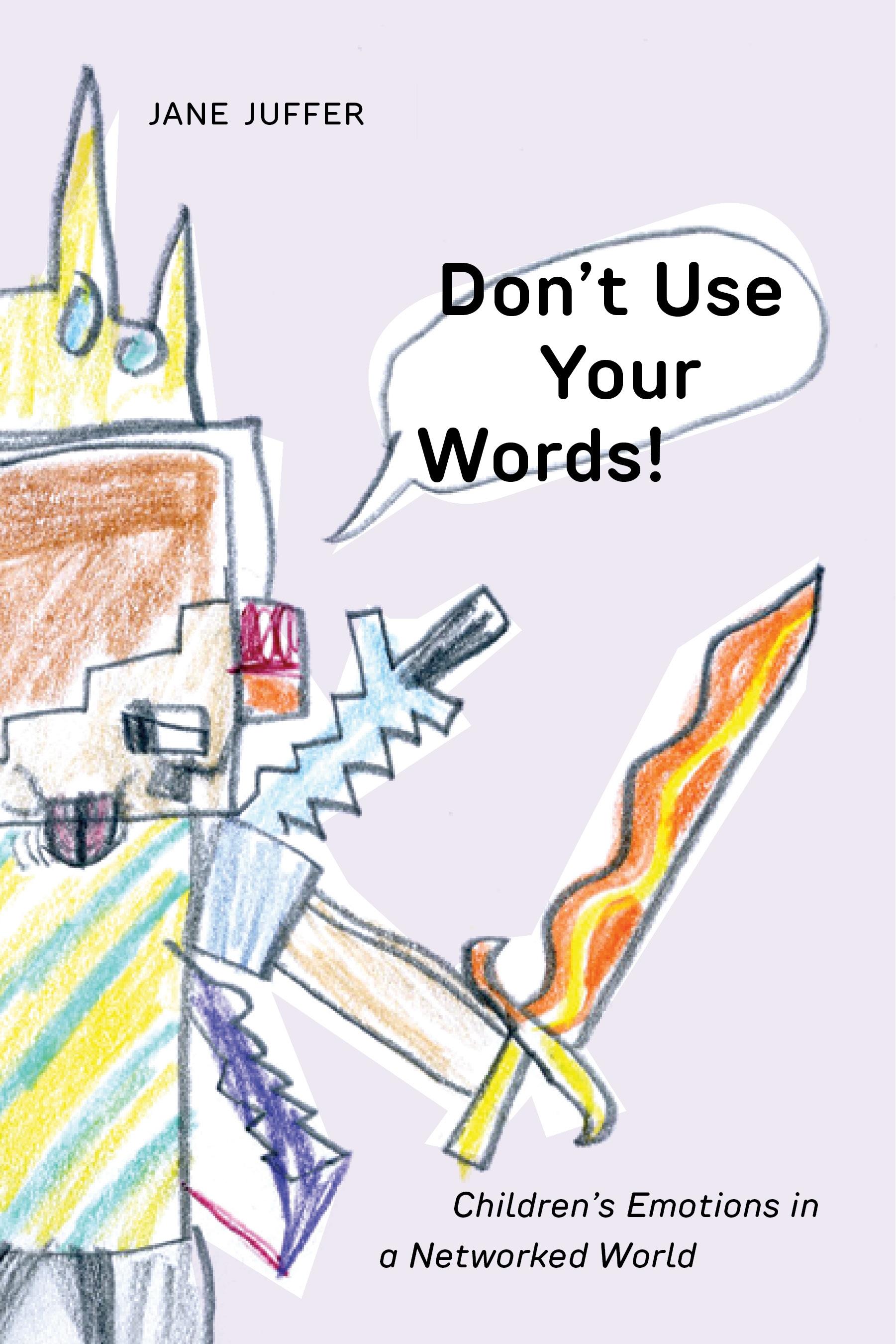
How children are taught to control their feelings and how they resist
this emotional management through cultural production.
Today, even young kids talk to each other across social media by referencing memes,songs, and movements, constructing a common vernacular that resists parental, educational, and media imperatives to name their feelings and thus control their bodies. Over the past two decades, children’s television programming has provided a therapeutic site for the processing of emotions such as anger, but in doing so has enforced normative structures of feeling that, Jane Juffer argues, weaken the intensity and range of children’s affective experiences.
Don’t Use Your Words! seeks to challenge those norms, highlighting the ways that kids express their feelings through cultural productions including drawings, fan art, memes, YouTube videos, dance moves, and conversations while gaming online. Focusing on kids between ages five and nine, Don’t Use Your Words! situates these productions in specific contexts, including immigration policy referenced in drawings by Central American children just released from detention centers and electoral politics as contested in kids’ artwork expressing their anger at Trump’s victory. Taking issue with the mainstream tendency to speak on behalf of children, Juffer argues that kids have the agency to answer for themselves: what does it feel like to be a kid?
Before Memmo my notes were scattered across PDFs. Now a workspace pulls everything into one place — I see exactly what's still left to study.
Memmo's summaries are gold before exams. I don't have to re-read 800 pages two weeks before — just the important parts.
The AI chat has saved me the night before an exam more than once. I just keep asking until I get it — no waiting on a study group to reply.
The quizzes hit exactly what I need to know. Memmo tracks what I get stuck on — so I only practice what's worth it.
Flashcards with spaced repetition are magic. Memmo knows when I'm about to forget something and brings it back.
The AI podcasts are my favorite. I listen on my way to school and get a recap without sitting at a computer.

Handbok i kvalitativa metoder
281 kr

Hållbar utveckling: en introduktion för ingenjörer och andra problemlösare
334 kr

Brymans Samhällsvetenskapliga metoder
390 kr

Projektledning
491 kr

Den orättvisa hälsan: om socioekonomiska skillnader i hälsa och livslängd
326 kr

Organizational Leadership
429 kr

Vetenskapsteori för nybörjare
196 kr

På väg mot läraryrket
172 kr

Det sociala livet i skolan: Socialpsykologiska perspektiv
253 kr

Betygsättningens didaktik
151 kr

Personality
402 kr

Studying Leadership
404 kr

Managing Innovation
477 kr

Introduktion till samhällsvetenskaplig metod
347 kr

The Psychology of Sex and Gender
698 kr

Evidens och kunskap för socialt arbete
207 kr

Introduction to Leadership
605 kr