
Before Memmo my notes were scattered across PDFs. Now a workspace pulls everything into one place — I see exactly what's still left to study.
Traces the contemporary ethnic experiences of Japanese Americans
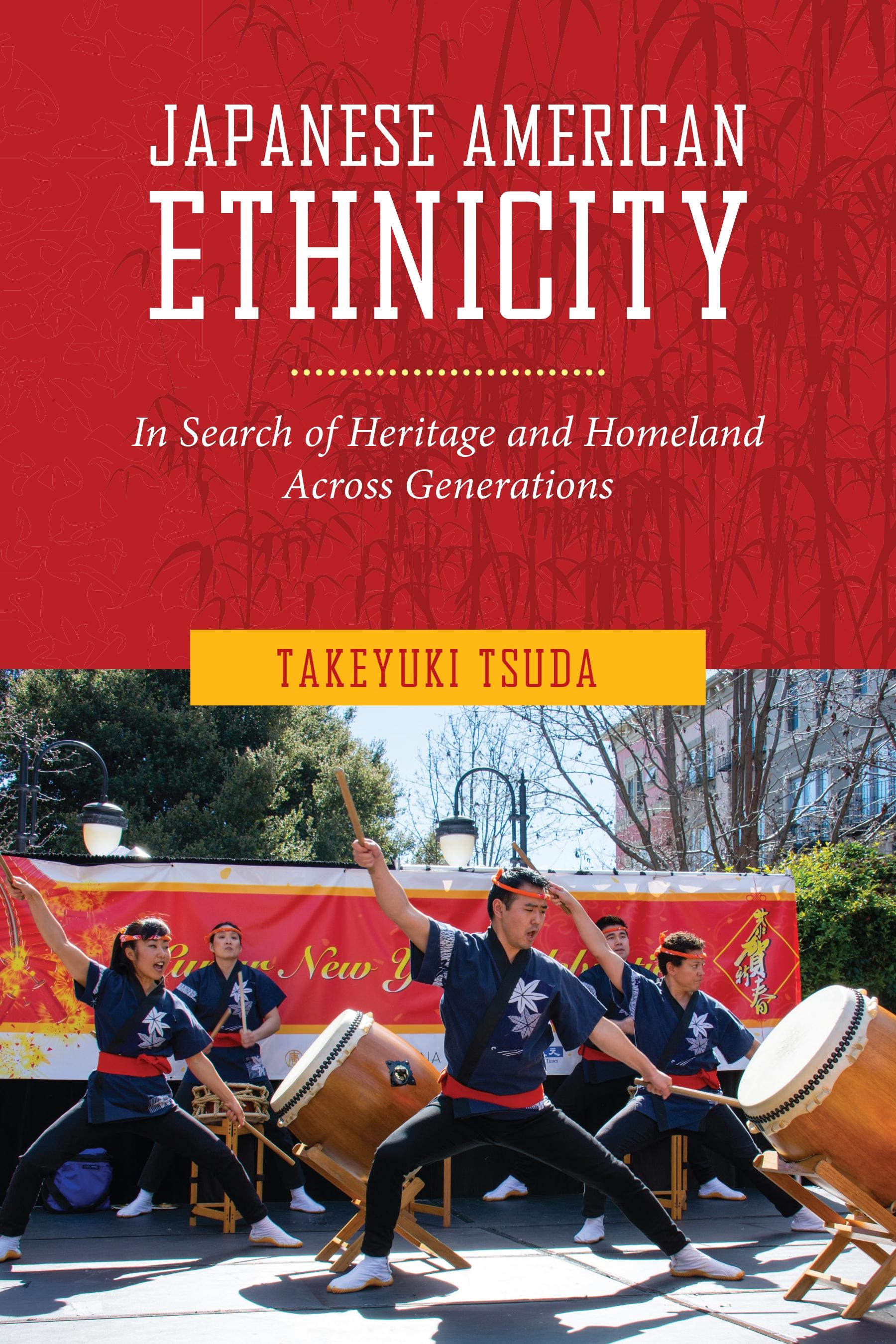
As one of the oldest groups of Asian Americans in the United States, most Japanese Americans are culturally assimilated and well-integrated in mainstream American society. However, they continue to be racialized as culturally “Japanese” foreigners simply because of their Asian appearance in a multicultural America where racial minorities are expected to remain ethnically distinct. Different generations of Japanese Americans have responded to such pressures in ways that range from demands that their racial citizenship as bona fide Americans be recognized to a desire to maintain or recover their ethnic heritage and reconnect with their ancestral homeland. In Japanese American Ethnicity, Takeyuki Tsuda explores the contemporary ethnic experiences of Japanese Americans from the second to the fourth generations and the extent to which they remain connected to their ancestral cultural heritage. He also places Japanese Americans in transnational and diasporic context and analyzes the performance of ethnic heritage through the example of taiko drumming ensembles.
Drawing on extensive fieldwork with Japanese Americans in San Diego and Phoenix, Tsuda argues that the ethnicity of immigrant-descent minorities does not simply follow a linear trajectory. Increasing cultural assimilation does not always erode the significance of ethnic heritage and identity over the generations. Instead, each new generation of Japanese Americans has negotiated its own ethnic positionality in different ways. Young Japanese Americans today are reviving their cultural heritage and embracing its salience in their daily lives more than the previous generations. This book demonstrates how culturally assimilated minorities can simultaneously maintain their ancestral cultures or even actively recover their lost ethnic heritage.
Before Memmo my notes were scattered across PDFs. Now a workspace pulls everything into one place — I see exactly what's still left to study.
Memmo's summaries are gold before exams. I don't have to re-read 800 pages two weeks before — just the important parts.
The AI chat has saved me the night before an exam more than once. I just keep asking until I get it — no waiting on a study group to reply.
The quizzes hit exactly what I need to know. Memmo tracks what I get stuck on — so I only practice what's worth it.
Flashcards with spaced repetition are magic. Memmo knows when I'm about to forget something and brings it back.
The AI podcasts are my favorite. I listen on my way to school and get a recap without sitting at a computer.

Handbok i kvalitativa metoder
281 kr

Hållbar utveckling: en introduktion för ingenjörer och andra problemlösare
334 kr

Brymans Samhällsvetenskapliga metoder
390 kr

Projektledning
491 kr

Den orättvisa hälsan: om socioekonomiska skillnader i hälsa och livslängd
326 kr

Organizational Leadership
429 kr

Vetenskapsteori för nybörjare
196 kr

På väg mot läraryrket
172 kr

Det sociala livet i skolan: Socialpsykologiska perspektiv
253 kr

Betygsättningens didaktik
151 kr

Personality
402 kr

Studying Leadership
404 kr

Managing Innovation
477 kr

Introduktion till samhällsvetenskaplig metod
347 kr

The Psychology of Sex and Gender
698 kr

Evidens och kunskap för socialt arbete
207 kr

Introduction to Leadership
605 kr