
Before Memmo my notes were scattered across PDFs. Now a workspace pulls everything into one place — I see exactly what's still left to study.
The story of racial hierarchy in the American film industry
The #OscarsSoWhite campaign, and the content of the leaked Sony emails which revealed, among many other things, that a powerful Hollywood insider didn’t believe that Denzel Washington could “open” a western genre film, provide glaring evidence that the opportunities for people of color in Hollywood are limited.
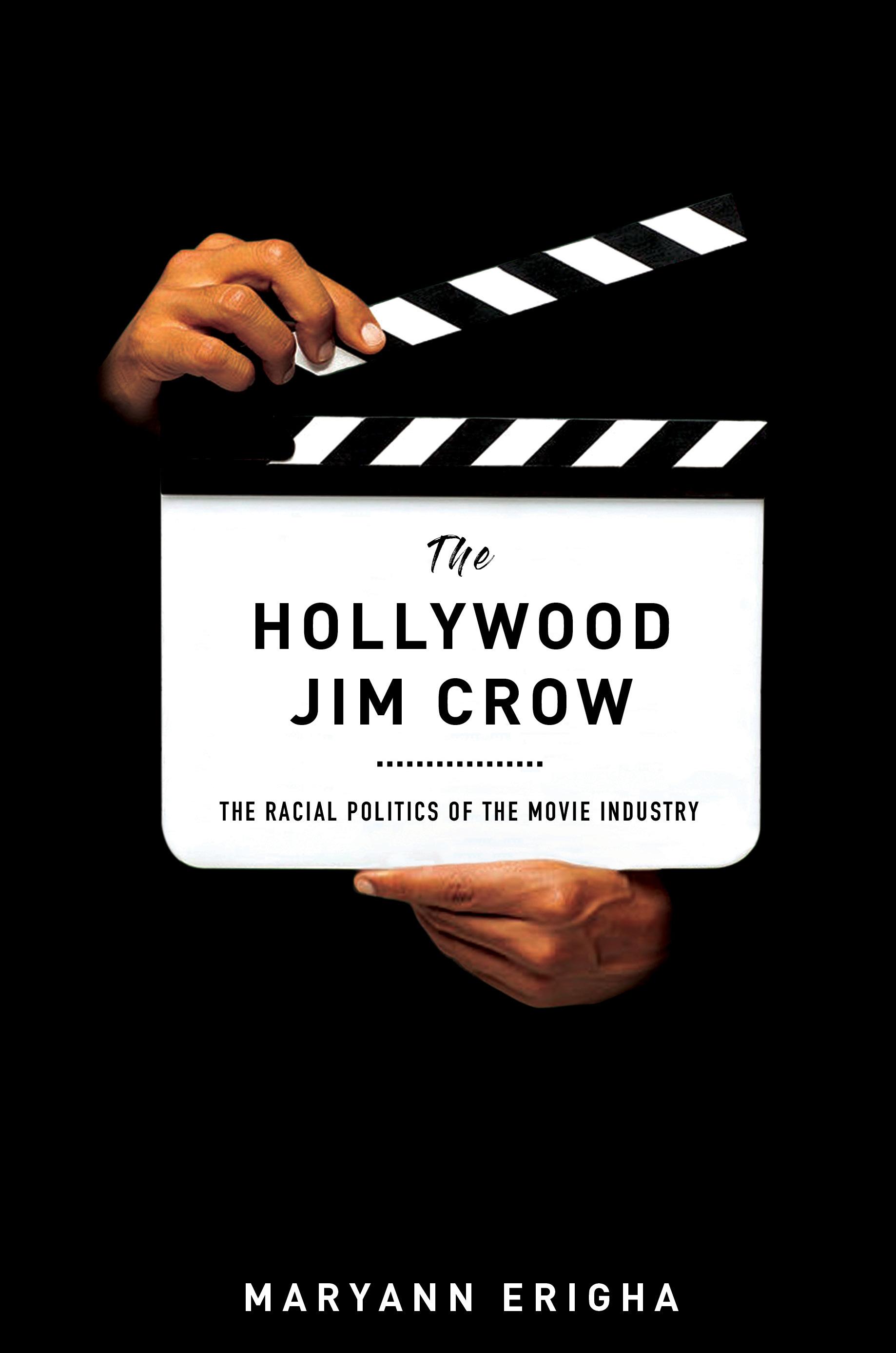
In The Hollywood Jim Crow, Maryann Erigha tells the story of inequality, looking at the practices and biases that limit the production and circulation of movies directed by racial minorities. She examines over 1,300 contemporary films, specifically focusing on directors, to show the key elements at work in maintaining “the Hollywood Jim Crow.” Unlike the Jim Crow era where ideas about innate racial inferiority and superiority were the grounds for segregation, Hollywood’s version tries to use economic and cultural explanations to justify the underrepresentation and stigmatization of Black filmmakers.
Erigha exposes the key elements at work in maintaining Hollywood’s racial hierarchy, namely the relationship between genre and race, the ghettoization of Black directors to black films, and how Blackness is perceived by the Hollywood producers and studios who decide what gets made and who gets to make it. Erigha questions the notion that increased representation of African Americans behind the camera is the sole answer to the racial inequality gap. Instead, she suggests focusing on the obstacles to integration for African American film directors.
Hollywood movies have an expansive reach and exert tremendous power in the national and global production, distribution, and exhibition of popular culture. The Hollywood Jim Crow fully dissects the racial inequality embedded in this industry, looking at alternative ways for African Americans to find success in Hollywood and suggesting how they can band together to forge their own career paths.
Before Memmo my notes were scattered across PDFs. Now a workspace pulls everything into one place — I see exactly what's still left to study.
Memmo's summaries are gold before exams. I don't have to re-read 800 pages two weeks before — just the important parts.
The AI chat has saved me the night before an exam more than once. I just keep asking until I get it — no waiting on a study group to reply.
The quizzes hit exactly what I need to know. Memmo tracks what I get stuck on — so I only practice what's worth it.
Flashcards with spaced repetition are magic. Memmo knows when I'm about to forget something and brings it back.
The AI podcasts are my favorite. I listen on my way to school and get a recap without sitting at a computer.

Handbok i kvalitativa metoder
281 kr

Hållbar utveckling: en introduktion för ingenjörer och andra problemlösare
334 kr

Brymans Samhällsvetenskapliga metoder
390 kr

Projektledning
491 kr

Den orättvisa hälsan: om socioekonomiska skillnader i hälsa och livslängd
326 kr

Vetenskapsteori för nybörjare
196 kr

Organizational Leadership
429 kr

På väg mot läraryrket
172 kr

Det sociala livet i skolan: Socialpsykologiska perspektiv
253 kr

Betygsättningens didaktik
151 kr

Personality
402 kr

Studying Leadership
404 kr

Managing Innovation
477 kr

Introduktion till samhällsvetenskaplig metod
347 kr

The Psychology of Sex and Gender
698 kr

Evidens och kunskap för socialt arbete
207 kr

Introduction to Leadership
605 kr