
Before Memmo my notes were scattered across PDFs. Now a workspace pulls everything into one place — I see exactly what's still left to study.
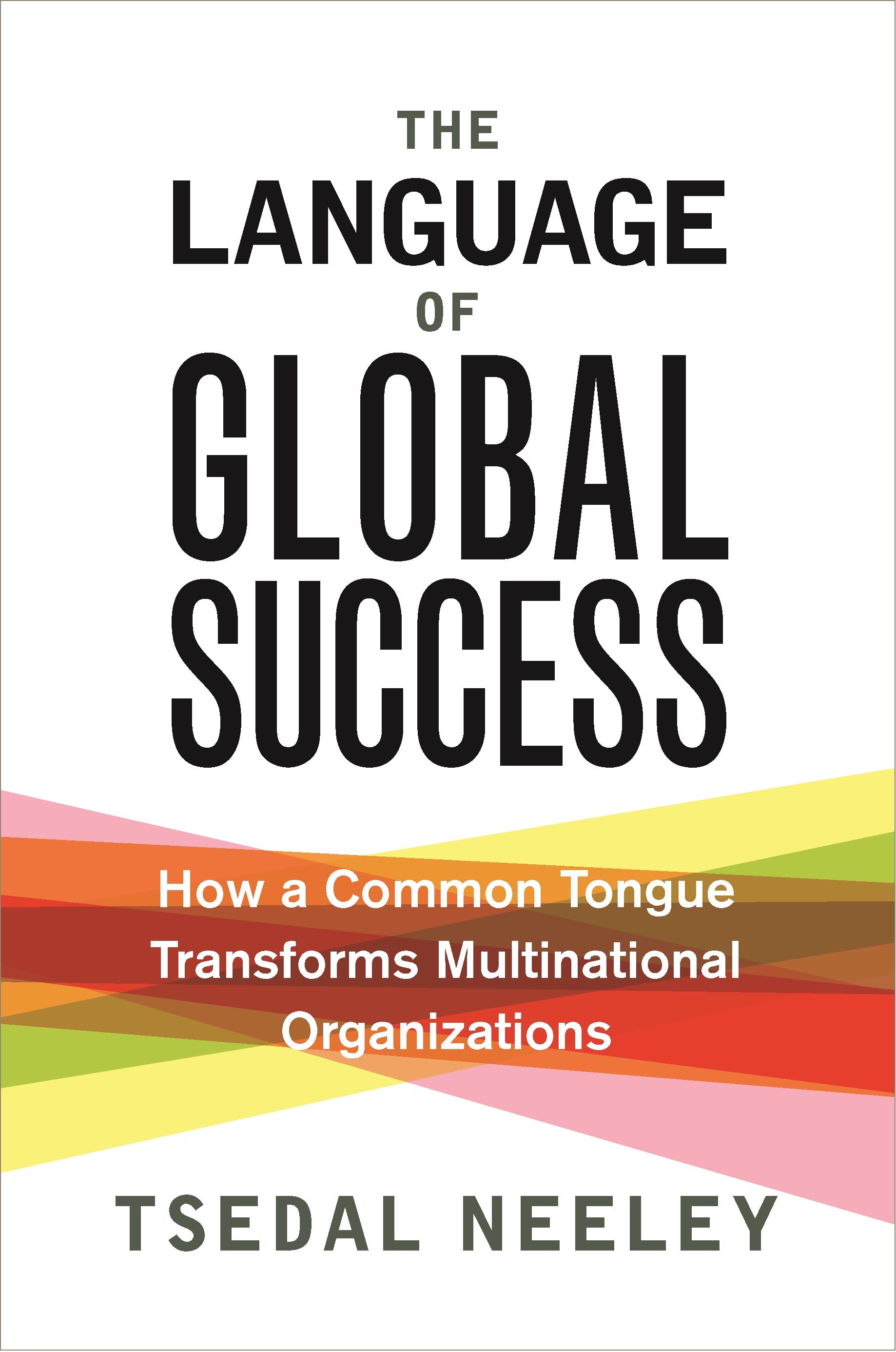
For nearly three decades, English has been the lingua franca of cross-border organizations, yet studies on corporate language strategies and their importance for globalization have been scarce. In The Language of Global Success, Tsedal Neeley provides an in-depth look at a single organization—the high-tech giant Rakuten—in the five years following its English lingua franca mandate. Neeley’s behind-the-scenes account explores how language shapes the ways in which employees who work in global organizations communicate and negotiate linguistic and cultural differences.
Drawing on 650 interviews conducted across Rakuten’s locations in Brazil, France, Germany, Indonesia, Japan, Taiwan, Thailand, and the United States, Neeley argues that an organization’s lingua franca is the catalyst by which all employees become some kind of “expat”—someone detached from their mother tongue or home culture. Through her unfettered access to the inner workings of Rakuten, she reveals three distinct social groups: “linguistic expats,” who live in their home country yet have to give up their native language in the workplace; “cultural expats,” or native speakers of the lingua franca, who struggle with organizational values that are more easily transmitted after language barriers are removed; and finally “linguistic-cultural expats,” who, while native to neither the lingua franca nor the organization’s home culture, surprisingly have the easiest time adjusting to language changes. Neeley demonstrates that language can serve as the conduit for an unfamiliar culture, often in unexpected ways, and that there are lessons to be learned for all global companies as they confront language and culture challenges.
Examining the strategic use of language by one international corporation, The Language of Global Success uncovers how all organizations might integrate language effectively to tap into the promise of globalization.
Before Memmo my notes were scattered across PDFs. Now a workspace pulls everything into one place — I see exactly what's still left to study.
Memmo's summaries are gold before exams. I don't have to re-read 800 pages two weeks before — just the important parts.
The AI chat has saved me the night before an exam more than once. I just keep asking until I get it — no waiting on a study group to reply.
The quizzes hit exactly what I need to know. Memmo tracks what I get stuck on — so I only practice what's worth it.
Flashcards with spaced repetition are magic. Memmo knows when I'm about to forget something and brings it back.
The AI podcasts are my favorite. I listen on my way to school and get a recap without sitting at a computer.

Handbok i kvalitativa metoder
281 kr

Hållbar utveckling: en introduktion för ingenjörer och andra problemlösare
334 kr

Brymans Samhällsvetenskapliga metoder
390 kr

Projektledning
491 kr

Den orättvisa hälsan: om socioekonomiska skillnader i hälsa och livslängd
326 kr

Vetenskapsteori för nybörjare
196 kr

Organizational Leadership
429 kr

På väg mot läraryrket
172 kr

Det sociala livet i skolan: Socialpsykologiska perspektiv
253 kr

Betygsättningens didaktik
151 kr

Personality
402 kr

Studying Leadership
404 kr

Managing Innovation
477 kr

Introduktion till samhällsvetenskaplig metod
347 kr

The Psychology of Sex and Gender
698 kr

Evidens och kunskap för socialt arbete
207 kr

Introduction to Leadership
605 kr