
Before Memmo my notes were scattered across PDFs. Now a workspace pulls everything into one place — I see exactly what's still left to study.
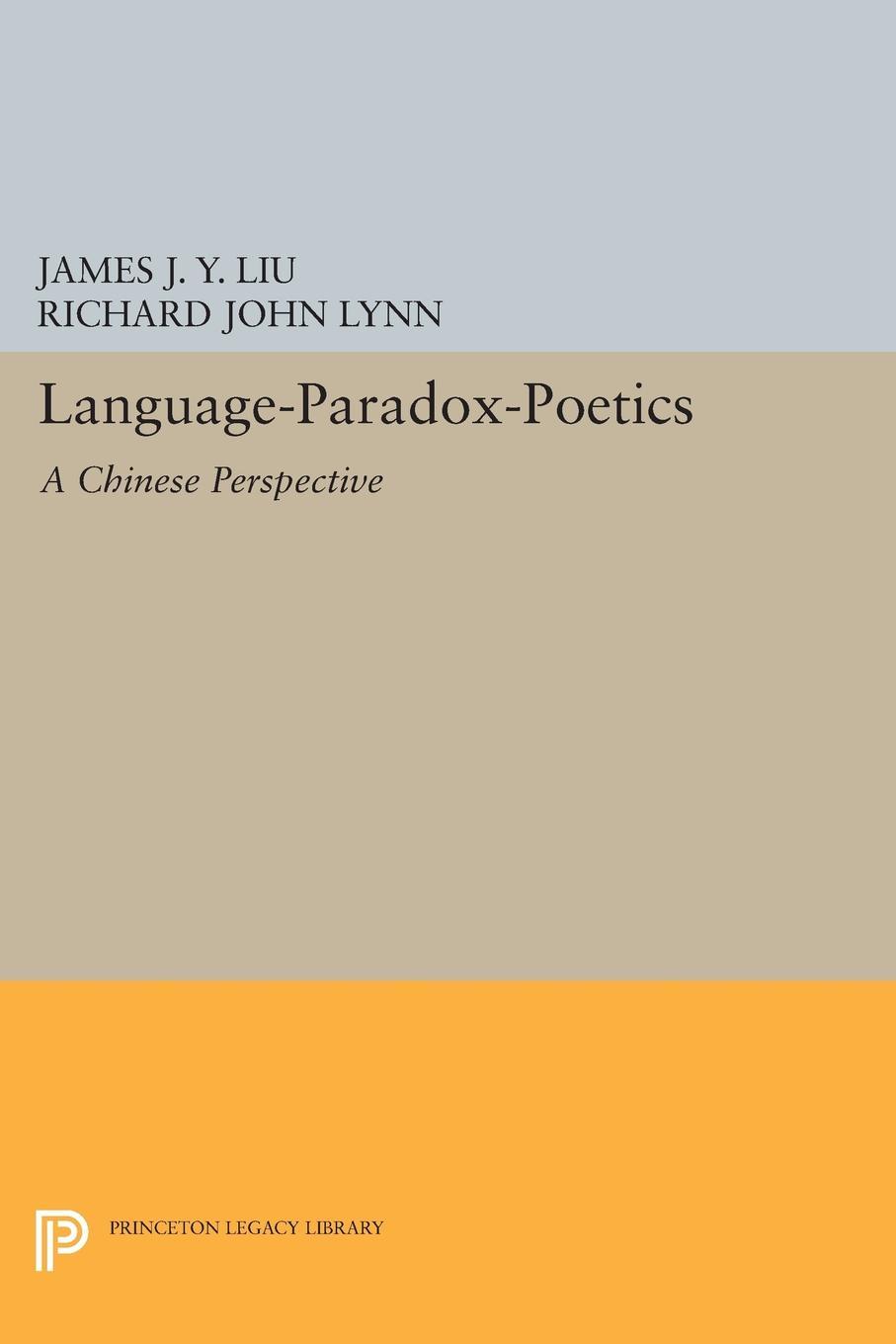
In attempting to define a "poetics of paradox" from a traditional Chinese standpoint, James Liu explores through a comparative approach linguistic, textual, and interpretive problems of relevance to Western literary criticism. Liu's study evolves from a paradoxical view--originating from early Confucian and Daoist philosophical texts--that the less is "said" in poetry, the more is "meant." Such a view implied the existence of paradox in the very use of language and led traditional Chinese hermeneutics to a study of "metaparadox"--the use of language to explicate texts the meaning of which transcends language itself.
As Liu illustrates elements of traditional Chinese hermeneutics with examples of poetic and critical works, he makes comparisons with the works of such Western literary figures as Shakespeare, Mallarme, Pound, Ionesco, Derrida, and Shepard. The comparisons bring to light a crucial difference in conceptualization of language: Chinese critics, especially those influenced by Daoism and Buddhism, seem to have held a deitic view of language (language points to things), whereas Western critics seem to have thought of language as primarily mimetic (language represents things). Liu examines the consequences of these views, showing how both offer insights into the "meaning" of text and to what extent both have led to a "metaparadox of interpretation."
Originally published in 1988.
The Princeton Legacy Library uses the latest print-on-demand technology to again make available previously out-of-print books from the distinguished backlist of Princeton University Press. These editions preserve the original texts of these important books while presenting them in durable paperback and hardcover editions. The goal of the Princeton Legacy Library is to vastly increase access to the rich scholarly heritage found in the thousands of books published by Princeton University Press since its founding in 1905.
Before Memmo my notes were scattered across PDFs. Now a workspace pulls everything into one place — I see exactly what's still left to study.
Memmo's summaries are gold before exams. I don't have to re-read 800 pages two weeks before — just the important parts.
The AI chat has saved me the night before an exam more than once. I just keep asking until I get it — no waiting on a study group to reply.
The quizzes hit exactly what I need to know. Memmo tracks what I get stuck on — so I only practice what's worth it.
Flashcards with spaced repetition are magic. Memmo knows when I'm about to forget something and brings it back.
The AI podcasts are my favorite. I listen on my way to school and get a recap without sitting at a computer.

Handbok i kvalitativa metoder
281 kr

Hållbar utveckling: en introduktion för ingenjörer och andra problemlösare
334 kr

Brymans Samhällsvetenskapliga metoder
390 kr

Projektledning
491 kr

Den orättvisa hälsan: om socioekonomiska skillnader i hälsa och livslängd
326 kr

Vetenskapsteori för nybörjare
196 kr

Organizational Leadership
429 kr

På väg mot läraryrket
172 kr

Det sociala livet i skolan: Socialpsykologiska perspektiv
253 kr

Betygsättningens didaktik
151 kr

Personality
402 kr

Studying Leadership
404 kr

Managing Innovation
477 kr

Introduktion till samhällsvetenskaplig metod
347 kr

The Psychology of Sex and Gender
698 kr

Evidens och kunskap för socialt arbete
207 kr

Introduction to Leadership
605 kr