
Before Memmo my notes were scattered across PDFs. Now a workspace pulls everything into one place — I see exactly what's still left to study.
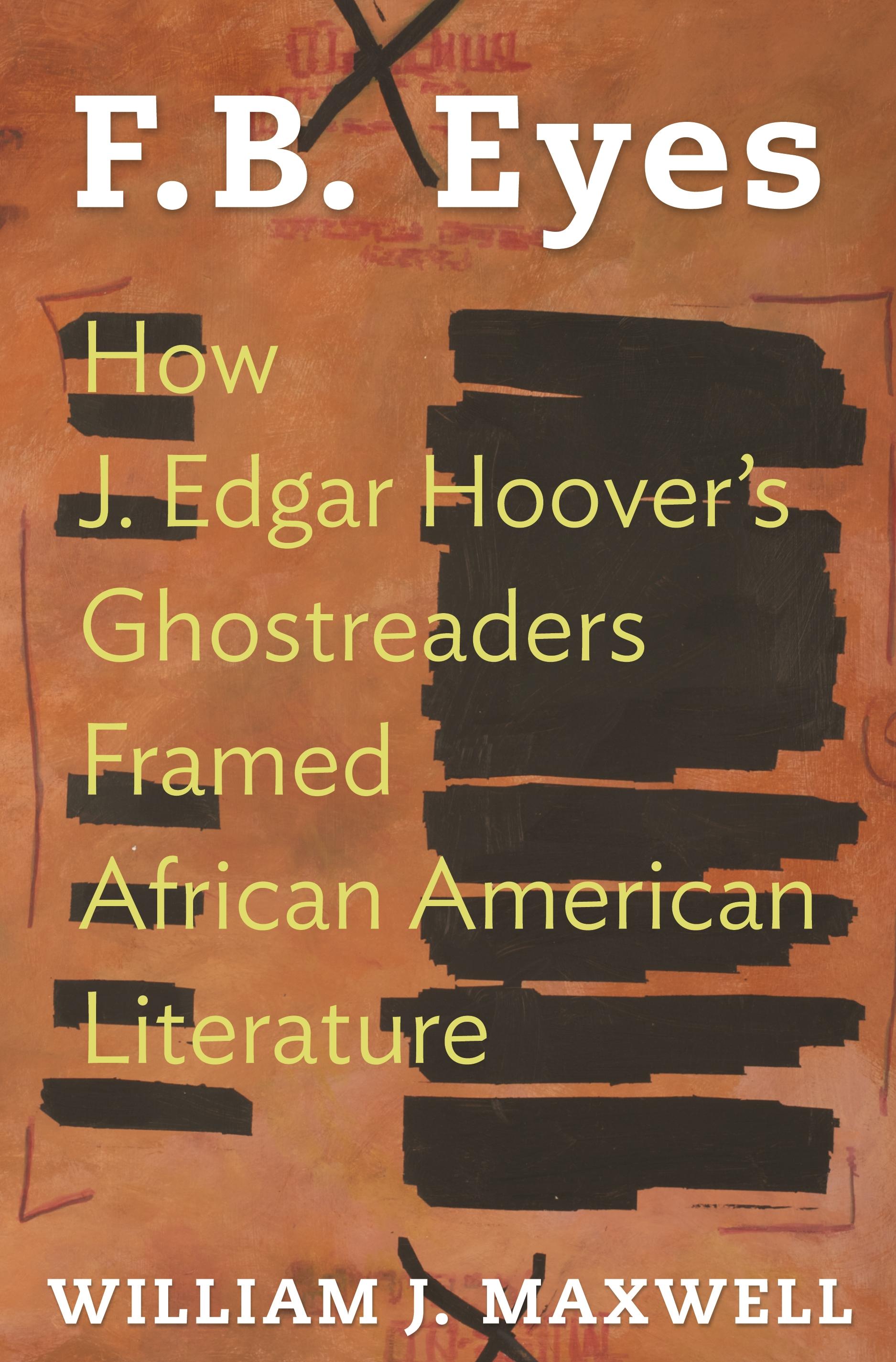
How FBI surveillance influenced African American writing
Few institutions seem more opposed than African American literature and J. Edgar Hoover's white-bread Federal Bureau of Investigation. But behind the scenes the FBI's hostility to black protest was energized by fear of and respect for black writing. Drawing on nearly 14,000 pages of newly released FBI files, F.B. Eyes exposes the Bureau’s intimate policing of five decades of African American poems, plays, essays, and novels. Starting in 1919, year one of Harlem’s renaissance and Hoover’s career at the Bureau, secretive FBI "ghostreaders" monitored the latest developments in African American letters. By the time of Hoover’s death in 1972, these ghostreaders knew enough to simulate a sinister black literature of their own. The official aim behind the Bureau’s close reading was to anticipate political unrest. Yet, as William J. Maxwell reveals, FBI surveillance came to influence the creation and public reception of African American literature in the heart of the twentieth century.
Taking his title from Richard Wright’s poem "The FB Eye Blues," Maxwell details how the FBI threatened the international travels of African American writers and prepared to jail dozens of them in times of national emergency. All the same, he shows that the Bureau’s paranoid style could prompt insightful criticism from Hoover’s ghostreaders and creative replies from their literary targets. For authors such as Claude McKay, James Baldwin, and Sonia Sanchez, the suspicion that government spy-critics tracked their every word inspired rewarding stylistic experiments as well as disabling self-censorship.
Illuminating both the serious harms of state surveillance and the ways in which imaginative writing can withstand and exploit it, F.B. Eyes is a groundbreaking account of a long-hidden dimension of African American literature.
Before Memmo my notes were scattered across PDFs. Now a workspace pulls everything into one place — I see exactly what's still left to study.
Memmo's summaries are gold before exams. I don't have to re-read 800 pages two weeks before — just the important parts.
The AI chat has saved me the night before an exam more than once. I just keep asking until I get it — no waiting on a study group to reply.
The quizzes hit exactly what I need to know. Memmo tracks what I get stuck on — so I only practice what's worth it.
Flashcards with spaced repetition are magic. Memmo knows when I'm about to forget something and brings it back.
The AI podcasts are my favorite. I listen on my way to school and get a recap without sitting at a computer.

Handbok i kvalitativa metoder
281 kr

Hållbar utveckling: en introduktion för ingenjörer och andra problemlösare
334 kr

Brymans Samhällsvetenskapliga metoder
390 kr

Projektledning
491 kr

Den orättvisa hälsan: om socioekonomiska skillnader i hälsa och livslängd
326 kr

Organizational Leadership
429 kr

Vetenskapsteori för nybörjare
196 kr

På väg mot läraryrket
172 kr

Det sociala livet i skolan: Socialpsykologiska perspektiv
253 kr

Betygsättningens didaktik
151 kr

Personality
402 kr

Studying Leadership
404 kr

Managing Innovation
477 kr

Introduktion till samhällsvetenskaplig metod
347 kr

The Psychology of Sex and Gender
698 kr

Evidens och kunskap för socialt arbete
207 kr

Introduction to Leadership
605 kr