
Before Memmo my notes were scattered across PDFs. Now a workspace pulls everything into one place — I see exactly what's still left to study.
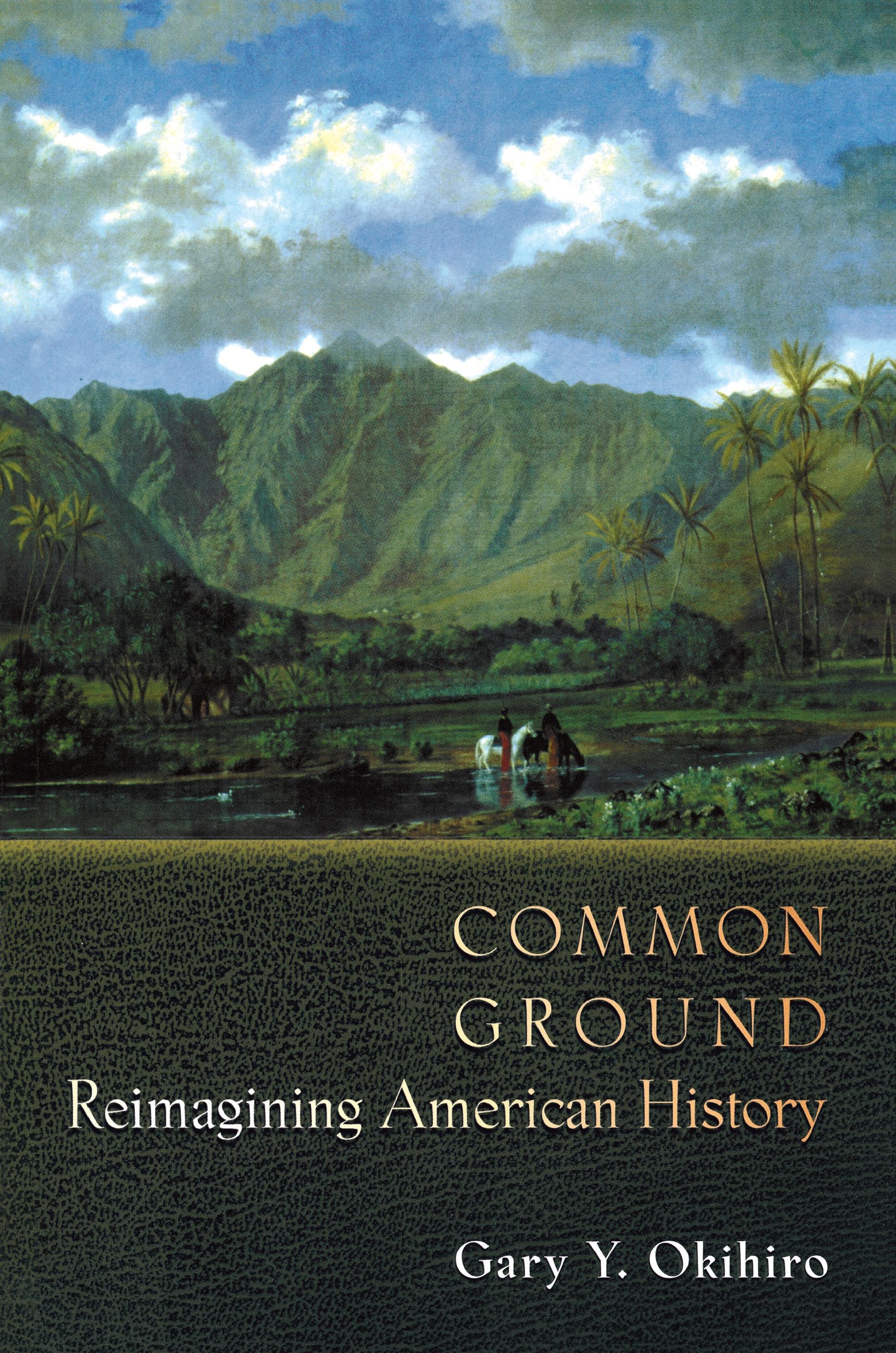
In Common Ground, Gary Okihiro uses the experiences of Asian Americans to reconfigure the ways in which American history can be understood. He examines a set of binaries--East and West, black and white, man and woman, heterosexual and homosexual--that have structured the telling of our nation's history and shaped our ideas of citizenship since the late nineteenth century. Okihiro not only exposes the artifice of these binaries but also offers a less rigid and more embracing set of stories on which to ground a national history. Influenced by European hierarchical thinking in the late nineteenth and early twentieth centuries, Anglo Americans increasingly categorized other newcomers to the United States. Binaries formed in the American imagination, creating a sense of coherence among white citizens during times of rapid and far-reaching social change. Within each binary, however, Asian Americans have proven disruptive: they cannot be fully described as either Eastern or Western; they challenge the racial categories of black and white; and within the gender and sexual binaries of man and woman, straight and gay, they have been repeatedly positioned as neither nor.
Okihiro analyzes how groups of people and numerous major events in American history have generally been depicted, and then offers alternative representations from an Asian-American viewpoint--one that reveals the ways in which binaries have contributed toward simplifying, excluding, and denying differences and convergences. Drawing on a rich variety of sources, from the Chicago Exposition of 1898 to The Wizard of Oz, this book is a provocative response to current debates over immigration and race, multiculturalism and globalization, and questions concerning the nature of America and its peoples. The ideal foil to conventional surveys of American history, Common Ground asks its readers to reimagine our past free of binaries and open to diversity and social justice.
Before Memmo my notes were scattered across PDFs. Now a workspace pulls everything into one place — I see exactly what's still left to study.
Memmo's summaries are gold before exams. I don't have to re-read 800 pages two weeks before — just the important parts.
The AI chat has saved me the night before an exam more than once. I just keep asking until I get it — no waiting on a study group to reply.
The quizzes hit exactly what I need to know. Memmo tracks what I get stuck on — so I only practice what's worth it.
Flashcards with spaced repetition are magic. Memmo knows when I'm about to forget something and brings it back.
The AI podcasts are my favorite. I listen on my way to school and get a recap without sitting at a computer.

Handbok i kvalitativa metoder
281 kr

Hållbar utveckling: en introduktion för ingenjörer och andra problemlösare
334 kr

Brymans Samhällsvetenskapliga metoder
390 kr

Projektledning
491 kr

Den orättvisa hälsan: om socioekonomiska skillnader i hälsa och livslängd
326 kr

Vetenskapsteori för nybörjare
196 kr

Organizational Leadership
429 kr

På väg mot läraryrket
172 kr

Det sociala livet i skolan: Socialpsykologiska perspektiv
253 kr

Betygsättningens didaktik
151 kr

Personality
402 kr

Studying Leadership
404 kr

Managing Innovation
477 kr

Introduktion till samhällsvetenskaplig metod
347 kr

The Psychology of Sex and Gender
698 kr

Evidens och kunskap för socialt arbete
207 kr

Introduction to Leadership
605 kr