
Before Memmo my notes were scattered across PDFs. Now a workspace pulls everything into one place — I see exactly what's still left to study.
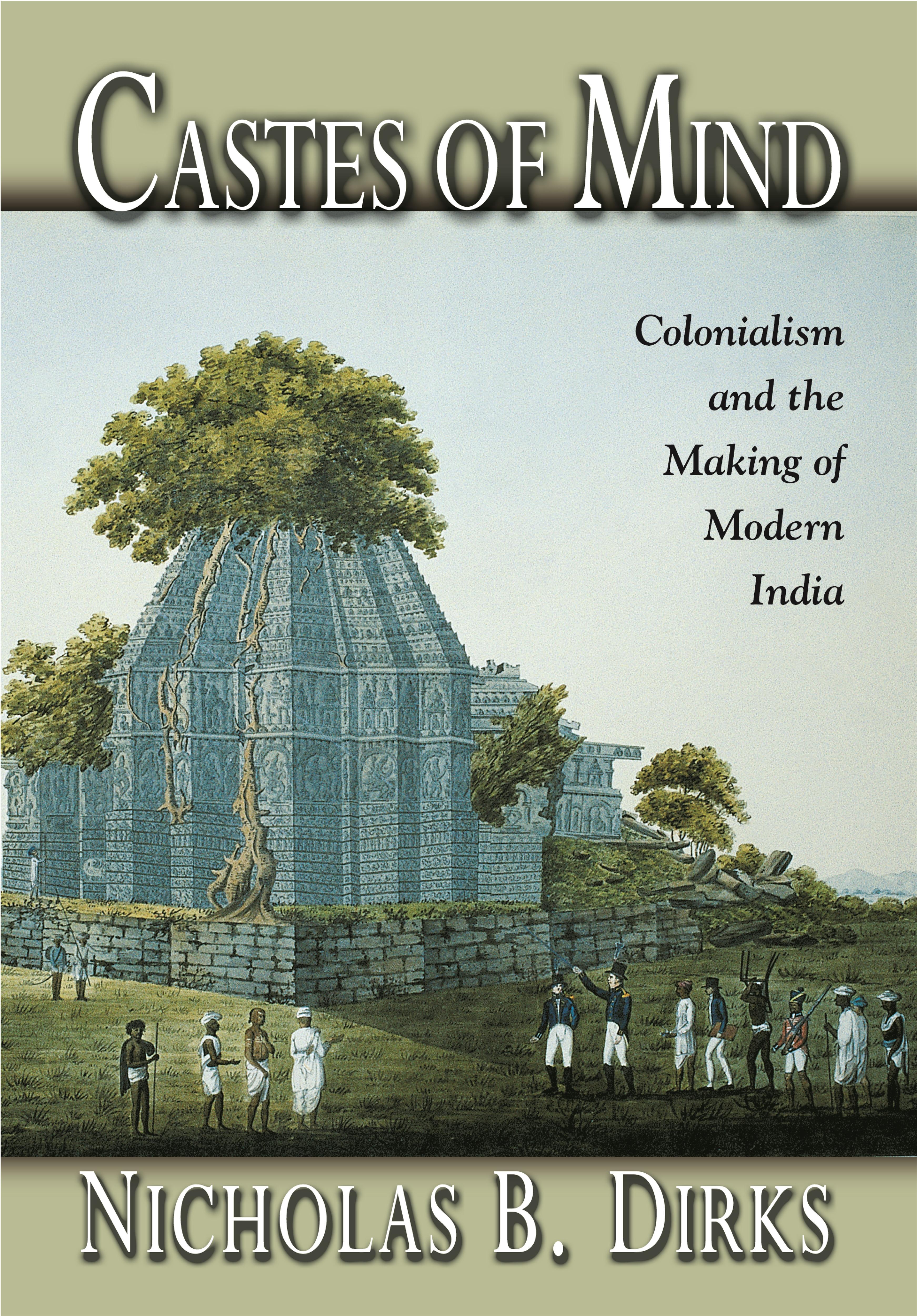
When thinking of India, it is hard not to think of caste. In academic and common parlance alike, caste has become a central symbol for India, marking it as fundamentally different from other places while expressing its essence. Nicholas Dirks argues that caste is, in fact, neither an unchanged survival of ancient India nor a single system that reflects a core cultural value. Rather than a basic expression of Indian tradition, caste is a modern phenomenon--the product of a concrete historical encounter between India and British colonial rule. Dirks does not contend that caste was invented by the British. But under British domination caste did become a single term capable of naming and above all subsuming India's diverse forms of social identity and organization.
Dirks traces the career of caste from the medieval kingdoms of southern India to the textual traces of early colonial archives; from the commentaries of an eighteenth-century Jesuit to the enumerative obsessions of the late-nineteenth-century census; from the ethnographic writings of colonial administrators to those of twentieth-century Indian scholars seeking to rescue ethnography from its colonial legacy. The book also surveys the rise of caste politics in the twentieth century, focusing in particular on the emergence of caste-based movements that have threatened nationalist consensus.
Castes of Mind is an ambitious book, written by an accomplished scholar with a rare mastery of centuries of Indian history and anthropology. It uses the idea of caste as the basis for a magisterial history of modern India. And in making a powerful case that the colonial past continues to haunt the Indian present, it makes an important contribution to current postcolonial theory and scholarship on contemporary Indian politics.
Before Memmo my notes were scattered across PDFs. Now a workspace pulls everything into one place — I see exactly what's still left to study.
Memmo's summaries are gold before exams. I don't have to re-read 800 pages two weeks before — just the important parts.
The AI chat has saved me the night before an exam more than once. I just keep asking until I get it — no waiting on a study group to reply.
The quizzes hit exactly what I need to know. Memmo tracks what I get stuck on — so I only practice what's worth it.
Flashcards with spaced repetition are magic. Memmo knows when I'm about to forget something and brings it back.
The AI podcasts are my favorite. I listen on my way to school and get a recap without sitting at a computer.

Handbok i kvalitativa metoder
281 kr

Hållbar utveckling: en introduktion för ingenjörer och andra problemlösare
334 kr

Brymans Samhällsvetenskapliga metoder
390 kr

Projektledning
491 kr

Den orättvisa hälsan: om socioekonomiska skillnader i hälsa och livslängd
326 kr

Vetenskapsteori för nybörjare
196 kr

Organizational Leadership
429 kr

På väg mot läraryrket
172 kr

Det sociala livet i skolan: Socialpsykologiska perspektiv
253 kr

Betygsättningens didaktik
151 kr

Personality
402 kr

Studying Leadership
404 kr

Managing Innovation
477 kr

Introduktion till samhällsvetenskaplig metod
347 kr

The Psychology of Sex and Gender
698 kr

Evidens och kunskap för socialt arbete
207 kr

Introduction to Leadership
605 kr