
Before Memmo my notes were scattered across PDFs. Now a workspace pulls everything into one place — I see exactly what's still left to study.
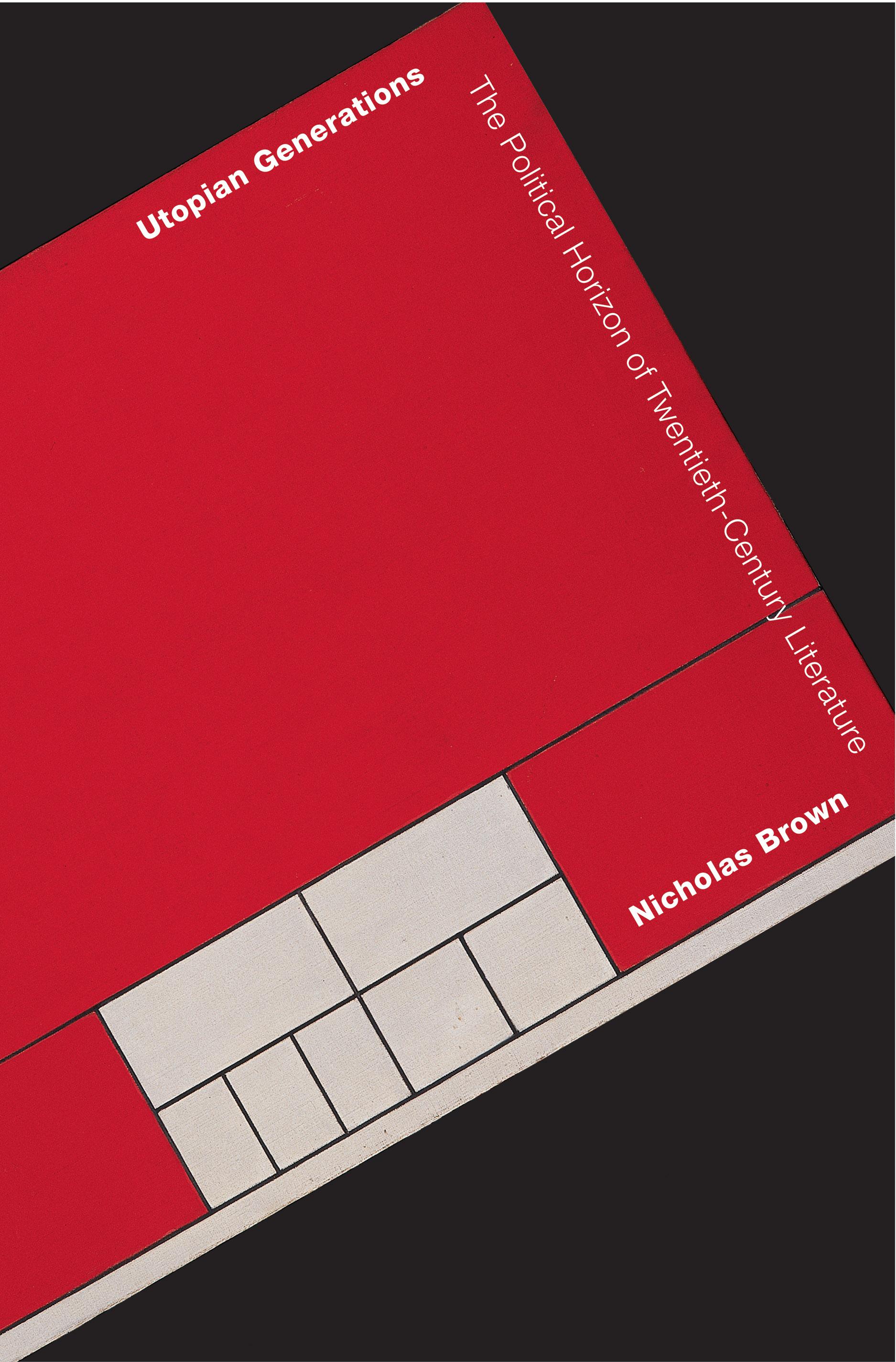
Utopian Generations develops a powerful interpretive matrix for understanding world literature--one that renders modernism and postcolonial African literature comprehensible in a single framework, within which neither will ever look the same. African literature has commonly been seen as representationally naïve vis-à-vis modernism, and canonical modernism as reactionary vis-à-vis postcolonial literature. What brings these two bodies of work together, argues Nicholas Brown, is their disposition toward Utopia or "the horizon of a radical reconfiguration of social relations.?
Grounded in a profound rethinking of the Hegelian Marxist tradition, this fluently written book takes as its point of departure the partial displacement during the twentieth century of capitalism's "internal limit" (classically conceived as the conflict between labor and capital) onto a geographic division of labor and wealth. Dispensing with whole genres of commonplace contemporary pieties, Brown examines works from both sides of this division to create a dialectical mapping of different modes of Utopian aesthetic practice. The theory of world literature developed in the introduction grounds the subtle and powerful readings at the heart of the book--focusing on works by James Joyce, Cheikh Hamidou Kane, Ford Madox Ford, Chinua Achebe, Wyndham Lewis, Ngugi wa Thiong'o, and Pepetela. A final chapter, arguing that this literary dialectic has reached a point of exhaustion, suggests that a radically reconceived notion of musical practice may be required to discern the Utopian desire immanent in the products of contemporary culture.
Before Memmo my notes were scattered across PDFs. Now a workspace pulls everything into one place — I see exactly what's still left to study.
Memmo's summaries are gold before exams. I don't have to re-read 800 pages two weeks before — just the important parts.
The AI chat has saved me the night before an exam more than once. I just keep asking until I get it — no waiting on a study group to reply.
The quizzes hit exactly what I need to know. Memmo tracks what I get stuck on — so I only practice what's worth it.
Flashcards with spaced repetition are magic. Memmo knows when I'm about to forget something and brings it back.
The AI podcasts are my favorite. I listen on my way to school and get a recap without sitting at a computer.

Handbok i kvalitativa metoder
281 kr

Hållbar utveckling: en introduktion för ingenjörer och andra problemlösare
334 kr

Brymans Samhällsvetenskapliga metoder
390 kr

Projektledning
491 kr

Den orättvisa hälsan: om socioekonomiska skillnader i hälsa och livslängd
326 kr

Organizational Leadership
429 kr

Vetenskapsteori för nybörjare
196 kr

På väg mot läraryrket
172 kr

Det sociala livet i skolan: Socialpsykologiska perspektiv
253 kr

Betygsättningens didaktik
151 kr

Personality
402 kr

Studying Leadership
404 kr

Managing Innovation
477 kr

Introduktion till samhällsvetenskaplig metod
347 kr

The Psychology of Sex and Gender
698 kr

Evidens och kunskap för socialt arbete
207 kr

Introduction to Leadership
605 kr