
Before Memmo my notes were scattered across PDFs. Now a workspace pulls everything into one place — I see exactly what's still left to study.
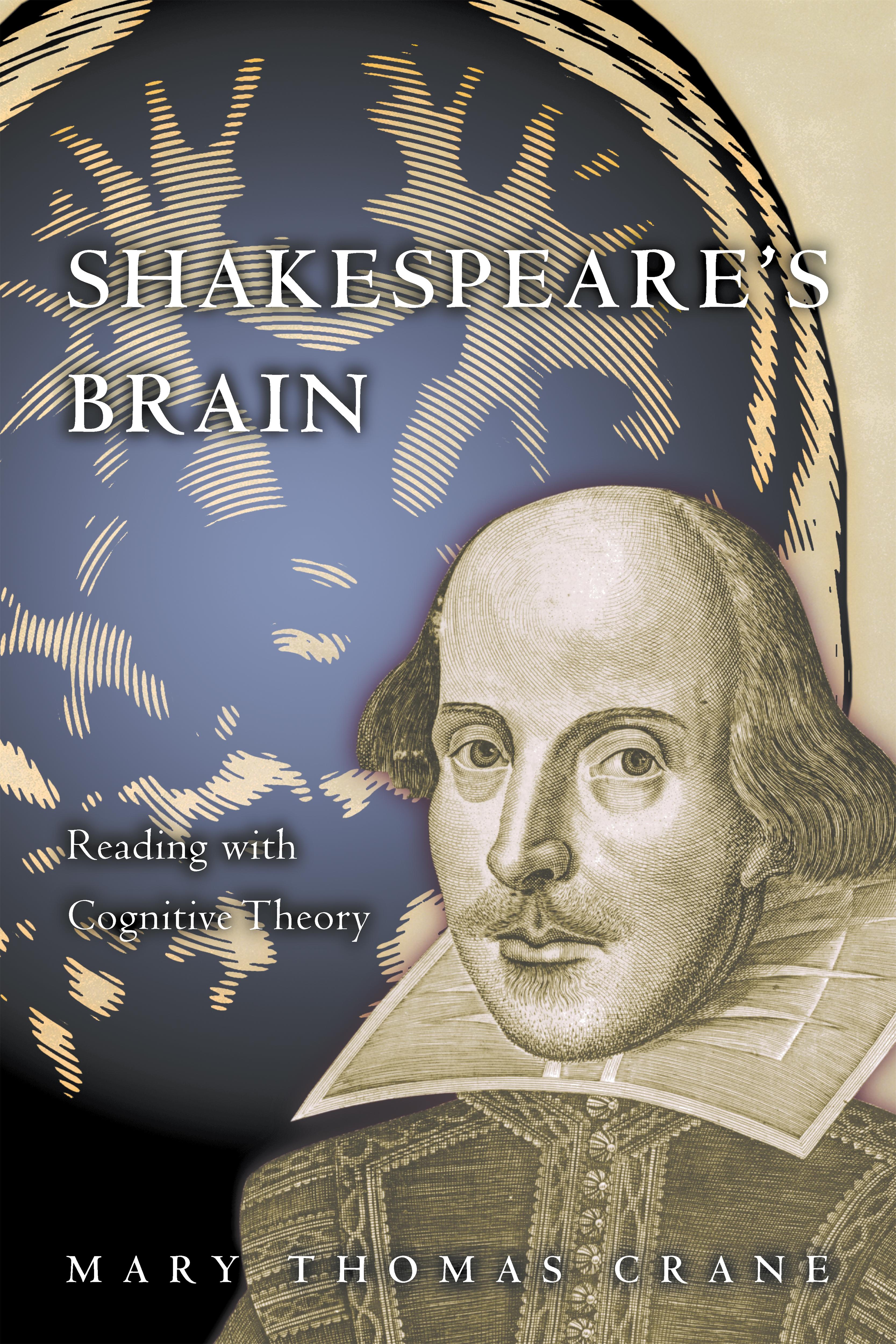
Here Mary Thomas Crane considers the brain as a site where body and culture meet to form the subject and its expression in language. Taking Shakespeare as her case study, she boldly demonstrates the explanatory power of cognitive theory--a theory which argues that language is produced by a reciprocal interaction of body and environment, brain and culture, and which refocuses attention on the role of the author in the making of meaning. Crane reveals in Shakespeare's texts a web of structures and categories through which meaning is created. The approach yields fresh insights into a wide range of his plays, including The Comedy of Errors, As You Like It, Twelfth Night, Hamlet, Measure for Measure, and The Tempest.
Crane's cognitive reading traces the complex interactions of cultural and cognitive determinants of meaning as they play themselves out in Shakespeare's texts. She shows how each play centers on a word or words conveying multiple meanings (such as "act," "pinch," "pregnant," "villain and clown"), and how each cluster has been shaped by early modern ideological formations. The book also chronicles the playwright's developing response to the material conditions of subject formation in early modern England. Crane reveals that Shakespeare in his comedies first explored the social spaces within which the subject is formed, such as the home, class hierarchy, and romantic courtship. His later plays reveal a greater preoccupation with how the self is formed within the body, as the embodied mind seeks to make sense of and negotiate its physical and social environment.
Before Memmo my notes were scattered across PDFs. Now a workspace pulls everything into one place — I see exactly what's still left to study.
Memmo's summaries are gold before exams. I don't have to re-read 800 pages two weeks before — just the important parts.
The AI chat has saved me the night before an exam more than once. I just keep asking until I get it — no waiting on a study group to reply.
The quizzes hit exactly what I need to know. Memmo tracks what I get stuck on — so I only practice what's worth it.
Flashcards with spaced repetition are magic. Memmo knows when I'm about to forget something and brings it back.
The AI podcasts are my favorite. I listen on my way to school and get a recap without sitting at a computer.

Handbok i kvalitativa metoder
281 kr

Hållbar utveckling: en introduktion för ingenjörer och andra problemlösare
334 kr

Brymans Samhällsvetenskapliga metoder
390 kr

Projektledning
491 kr

Den orättvisa hälsan: om socioekonomiska skillnader i hälsa och livslängd
326 kr

Vetenskapsteori för nybörjare
196 kr

Organizational Leadership
429 kr

På väg mot läraryrket
172 kr

Det sociala livet i skolan: Socialpsykologiska perspektiv
253 kr

Betygsättningens didaktik
151 kr

Personality
402 kr

Studying Leadership
404 kr

Managing Innovation
477 kr

Introduktion till samhällsvetenskaplig metod
347 kr

The Psychology of Sex and Gender
698 kr

Evidens och kunskap för socialt arbete
207 kr

Introduction to Leadership
605 kr