
Before Memmo my notes were scattered across PDFs. Now a workspace pulls everything into one place — I see exactly what's still left to study.
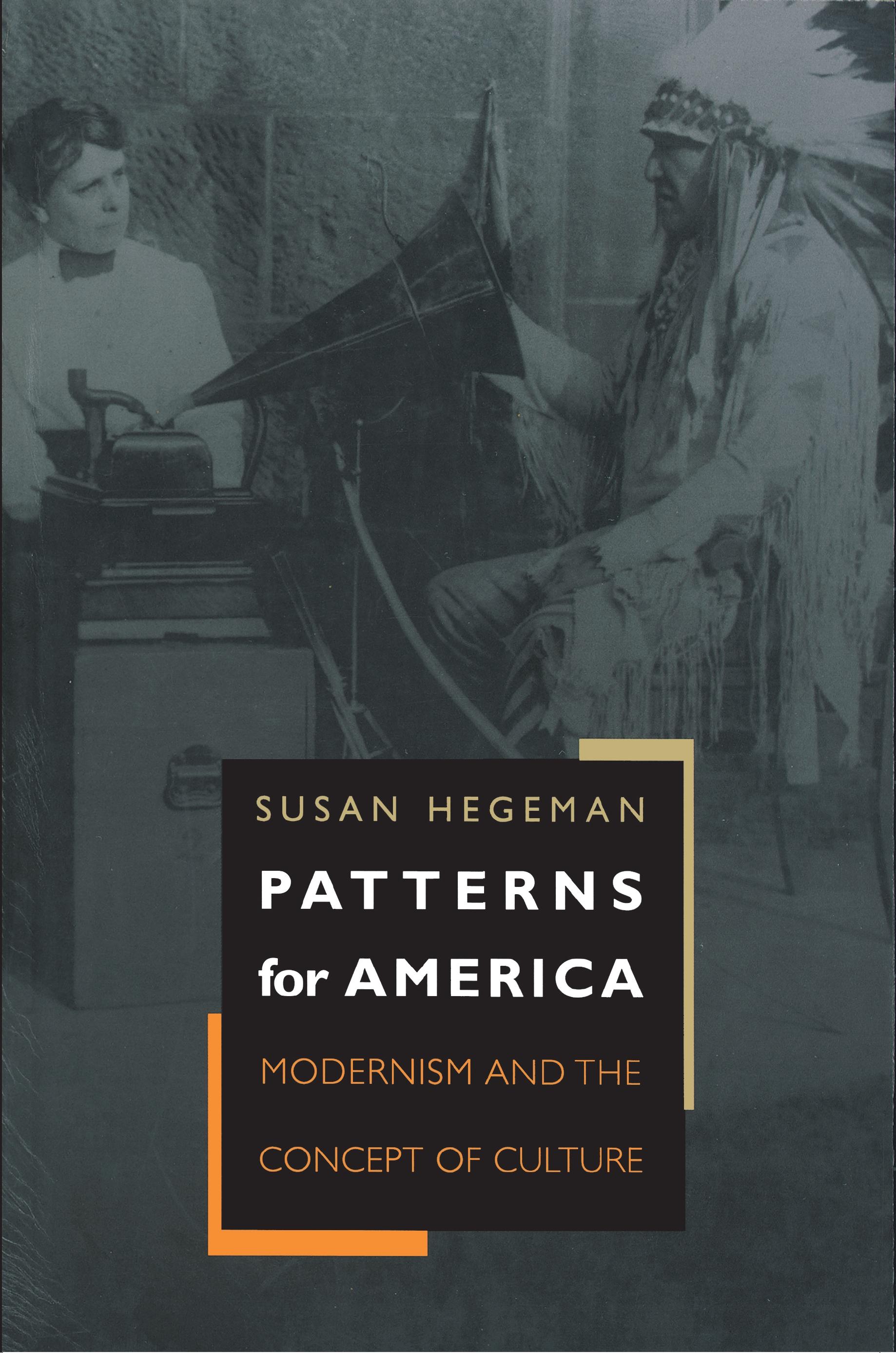
In recent decades, historians and social theorists have given much thought to the concept of "culture," its origins in Western thought, and its usefulness for social analysis. In this book, Susan Hegeman focuses on the term's history in the United States in the first half of the twentieth century. She shows how, during this period, the term "culture" changed from being a technical term associated primarily with anthropology into a term of popular usage. She shows the connections between this movement of "culture" into the mainstream and the emergence of a distinctive "American culture," with its own patterns, values, and beliefs.
Hegeman points to the significant similarities between the conceptions of culture produced by anthropologists Franz Boas, Edward Sapir, Ruth Benedict, and Margaret Mead, and a diversity of other intellectuals, including Randolph Bourne, Van Wyck Brooks, Waldo Frank, and Dwight Macdonald. Hegeman reveals how relativist anthropological ideas of human culture--which stressed the distance between modern centers and "primitive" peripheries--came into alliance with the evaluating judgments of artists and critics. This anthropological conception provided a spatial awareness that helped develop the notion of a specifically American "culture." She also shows the connections between this new view of "culture" and the artistic work of the period by, among others, Sherwood Anderson, Jean Toomer, Thomas Hart Benton, Nathanael West, and James Agee and depicts in a new way the richness and complexity of the modernist milieu in the United States.
Before Memmo my notes were scattered across PDFs. Now a workspace pulls everything into one place — I see exactly what's still left to study.
Memmo's summaries are gold before exams. I don't have to re-read 800 pages two weeks before — just the important parts.
The AI chat has saved me the night before an exam more than once. I just keep asking until I get it — no waiting on a study group to reply.
The quizzes hit exactly what I need to know. Memmo tracks what I get stuck on — so I only practice what's worth it.
Flashcards with spaced repetition are magic. Memmo knows when I'm about to forget something and brings it back.
The AI podcasts are my favorite. I listen on my way to school and get a recap without sitting at a computer.

Handbok i kvalitativa metoder
281 kr

Hållbar utveckling: en introduktion för ingenjörer och andra problemlösare
334 kr

Brymans Samhällsvetenskapliga metoder
390 kr

Projektledning
491 kr

Den orättvisa hälsan: om socioekonomiska skillnader i hälsa och livslängd
326 kr

Organizational Leadership
429 kr

Vetenskapsteori för nybörjare
196 kr

På väg mot läraryrket
172 kr

Det sociala livet i skolan: Socialpsykologiska perspektiv
253 kr

Betygsättningens didaktik
151 kr

Personality
402 kr

Studying Leadership
404 kr

Managing Innovation
477 kr

Introduktion till samhällsvetenskaplig metod
347 kr

The Psychology of Sex and Gender
698 kr

Evidens och kunskap för socialt arbete
207 kr

Introduction to Leadership
605 kr