
Before Memmo my notes were scattered across PDFs. Now a workspace pulls everything into one place — I see exactly what's still left to study.
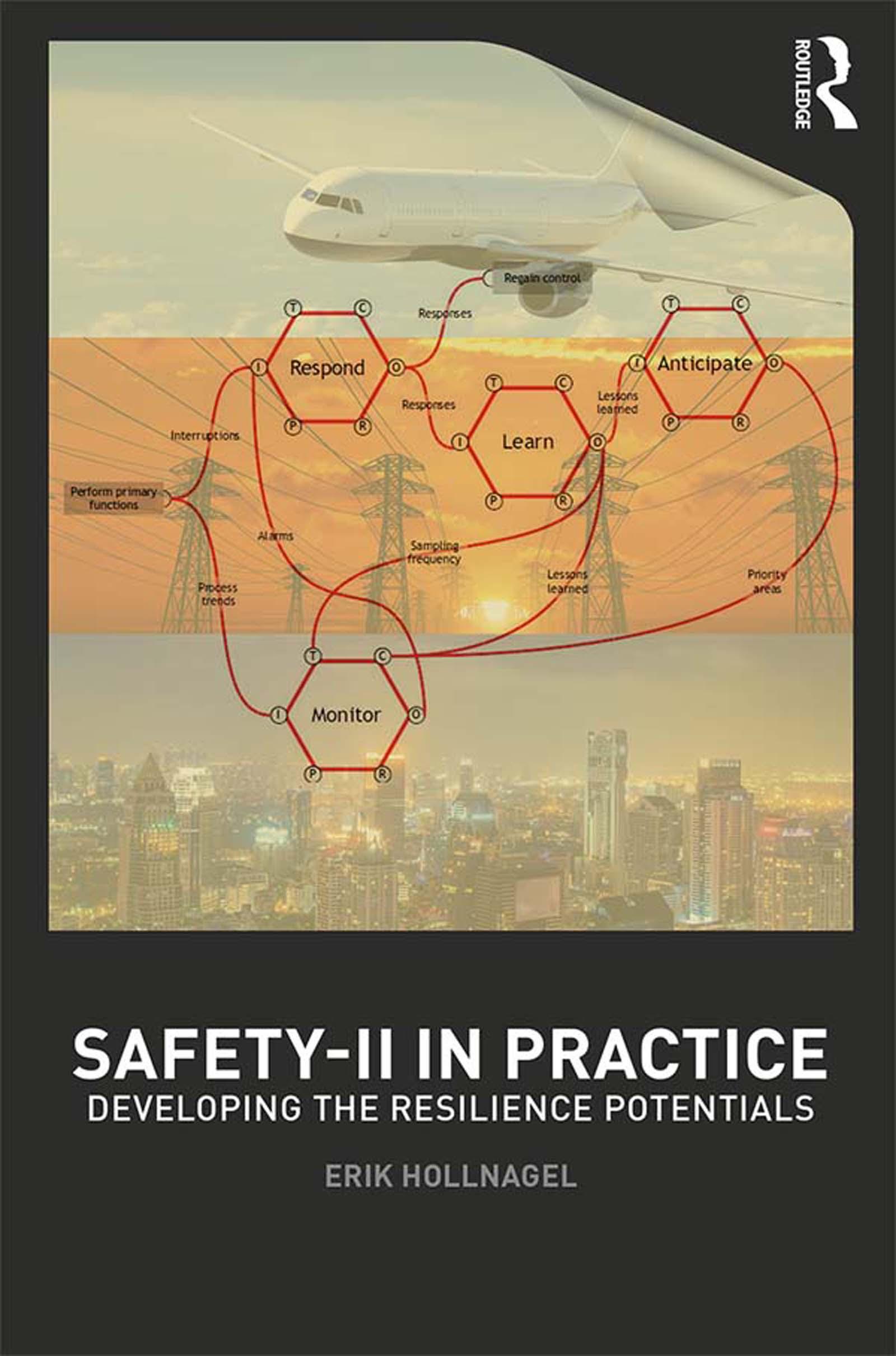
Safety-I is defined as the freedom from unacceptable harm. The purpose of traditional safety management is therefore to find ways to ensure this ‘freedom’. But as socio-technical systems steadily have become larger and less tractable, this has become harder to do. Resilience engineering pointed out from the very beginning that resilient performance - an organisation’s ability to function as required under expected and unexpected conditions alike – required more than the prevention of incidents and accidents. This developed into a new interpretation of safety (Safety-II) and consequently a new form of safety management.
Safety-II changes safety management from protective safety and a focus on how things can go wrong, to productive safety and a focus on how things can and do go well. For Safety-II, the aim is not just the elimination of hazards and the prevention of failures and malfunctions but also how best to develop an organisation’s potentials for resilient performance – the way it responds, monitors, learns, and anticipates. That requires models and methods that go beyond the Safety-I toolbox. This book introduces a comprehensive approach for the management of Safety-II, called the Resilience Assessment Grid (RAG). It explains the principles of the RAG and how it can be used to develop the resilience potentials. The RAG provides four sets of diagnostic and formative questions that can be tailored to any organisation. The questions are based on the principles of resilience engineering and backed by practical experience from several domains.
Safety-II in Practice is for both the safety professional and academic reader. For the professional, it presents a workable method (RAG) for the management of Safety-II, with a proven track record. For academic and student readers, the book is a concise and practical presentation of resilience engineering.
Before Memmo my notes were scattered across PDFs. Now a workspace pulls everything into one place — I see exactly what's still left to study.
Memmo's summaries are gold before exams. I don't have to re-read 800 pages two weeks before — just the important parts.
The AI chat has saved me the night before an exam more than once. I just keep asking until I get it — no waiting on a study group to reply.
The quizzes hit exactly what I need to know. Memmo tracks what I get stuck on — so I only practice what's worth it.
Flashcards with spaced repetition are magic. Memmo knows when I'm about to forget something and brings it back.
The AI podcasts are my favorite. I listen on my way to school and get a recap without sitting at a computer.

Handbok i kvalitativa metoder
281 kr

Hållbar utveckling: en introduktion för ingenjörer och andra problemlösare
334 kr

Brymans Samhällsvetenskapliga metoder
390 kr

Projektledning
491 kr

Den orättvisa hälsan: om socioekonomiska skillnader i hälsa och livslängd
326 kr

Organizational Leadership
429 kr

Vetenskapsteori för nybörjare
196 kr

På väg mot läraryrket
172 kr

Det sociala livet i skolan: Socialpsykologiska perspektiv
253 kr

Betygsättningens didaktik
151 kr

Personality
402 kr

Studying Leadership
404 kr

Managing Innovation
477 kr

Introduktion till samhällsvetenskaplig metod
347 kr

The Psychology of Sex and Gender
698 kr

Evidens och kunskap för socialt arbete
207 kr

Introduction to Leadership
605 kr