
Before Memmo my notes were scattered across PDFs. Now a workspace pulls everything into one place — I see exactly what's still left to study.
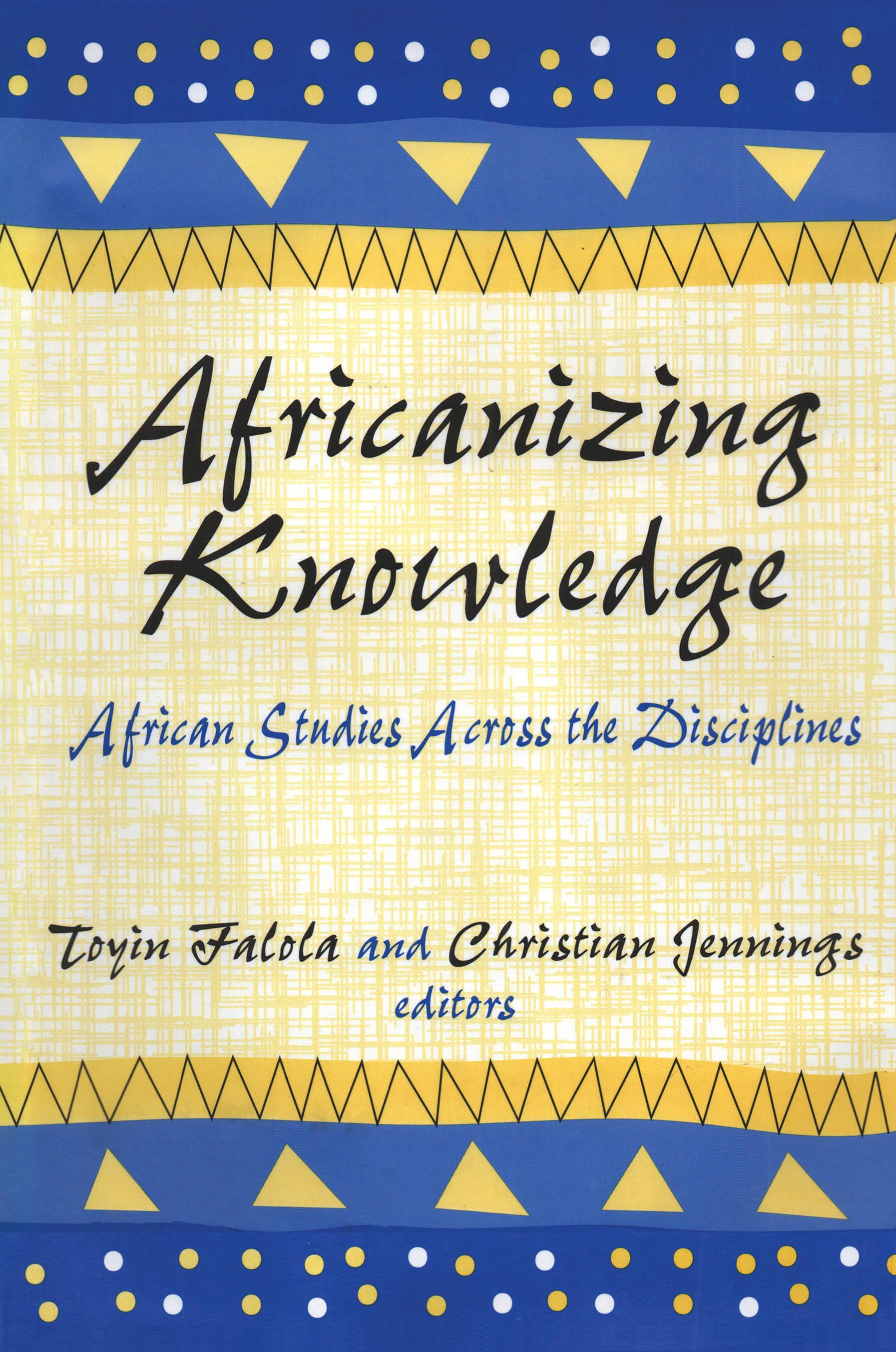
Nearly four decades ago, Terence Ranger questioned to what extent African history was actually African, and whether methods and concerns derived from Western historiography were really sufficient tools for researching and narrating African history. Despite a blossoming and branching out of Africanist scholarship in the last twenty years, that question is still haunting. The most prestigious locations for production of African studies are outside Africa itself, and scholars still seek a solution to this paradox. They agree that the ideal solution would be a flowering of institutions of higher learning within Africa which would draw not only Africanist scholars, but also financial resources to the continent.
While the focus of this volume is on historical knowledge, the effort to make African scholarship "more African" is fundamentally interdisciplinary. The essays in this volume employ several innovative methods in an effort to study Africa on its own terms. The book is divided into four parts. Part 1, "Africanizing African History," offers several diverse methods for bringing distinctly African modes of historical discourse to the foreground in academic historical research. Part 2, "African Creative Expression in Context," presents case studies of African art, literature, music, and poetry. It attempts to strip away the exotic or primitivist aura such topics often accumulate when presented in a foreign setting in order to illuminate the social, historical, and aesthetic contexts in which these works of art were originally produced. Part 3, "Writing about Colonialism," demonstrates that the study of imperialism in Africa remains a springboard for innovative work, which takes familiar ideas about Africa and considers them within new contexts. Part 4, "Scholars and Their Work," critically examines the process of African studies itself, including the roles of scholars in the production of knowledge about Africa.
This timely and thoughtful volume will be of interest to African studies scholars and students who are concerned about the ways in which Africanist scholarship might become "more African."
Before Memmo my notes were scattered across PDFs. Now a workspace pulls everything into one place — I see exactly what's still left to study.
Memmo's summaries are gold before exams. I don't have to re-read 800 pages two weeks before — just the important parts.
The AI chat has saved me the night before an exam more than once. I just keep asking until I get it — no waiting on a study group to reply.
The quizzes hit exactly what I need to know. Memmo tracks what I get stuck on — so I only practice what's worth it.
Flashcards with spaced repetition are magic. Memmo knows when I'm about to forget something and brings it back.
The AI podcasts are my favorite. I listen on my way to school and get a recap without sitting at a computer.

Handbok i kvalitativa metoder
281 kr

Hållbar utveckling: en introduktion för ingenjörer och andra problemlösare
334 kr

Brymans Samhällsvetenskapliga metoder
390 kr

Projektledning
491 kr

Den orättvisa hälsan: om socioekonomiska skillnader i hälsa och livslängd
326 kr

Organizational Leadership
429 kr

Vetenskapsteori för nybörjare
196 kr

På väg mot läraryrket
172 kr

Det sociala livet i skolan: Socialpsykologiska perspektiv
253 kr

Betygsättningens didaktik
151 kr

Personality
402 kr

Studying Leadership
404 kr

Managing Innovation
477 kr

Introduktion till samhällsvetenskaplig metod
347 kr

The Psychology of Sex and Gender
698 kr

Evidens och kunskap för socialt arbete
207 kr

Introduction to Leadership
605 kr