
Before Memmo my notes were scattered across PDFs. Now a workspace pulls everything into one place — I see exactly what's still left to study.
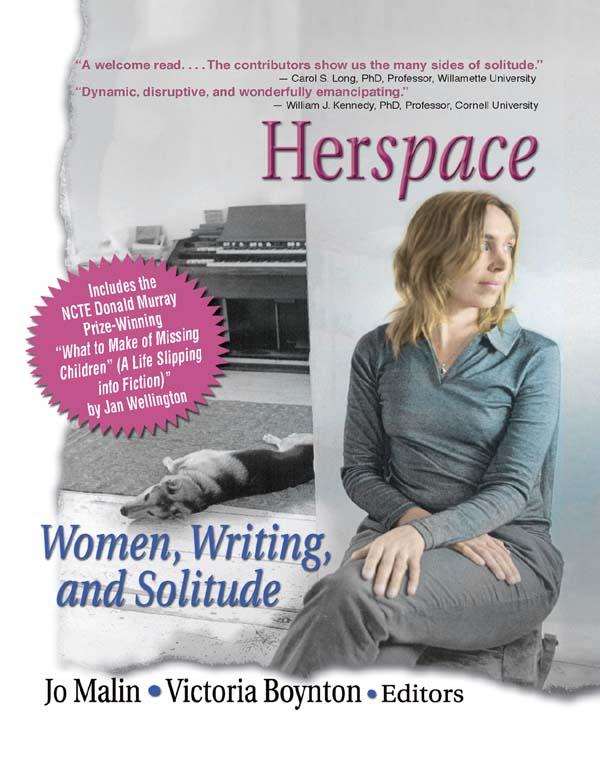
This collection delves deeply into the power of solitude in a richly detailed exploration of the lives of women writers!
The essays in this fascinating volume combine literary theory, autobiography, performance, and criticism, while opening minds and expanding concepts of women's roles both in the home and within academia along the way. Herspace: Women, Writing, and Solitude begins with a discussion of the importance of solitude to the works of a variety of writers, including Margaret Atwood, May Sarton, Virginia Woolf, Marguerite Duras, and Zora Neale Hurston, and then moves on to an examination of the actual solitary spaces of women writers. The book concludes with the stories of modern women asserting their right to a space of their own. These essays, full of pain and new growth, lessons learned and battles fought, resound with the honesty and courage the authors have found in the process of truly making their own homes.
Herspace examines:
Contributors to Herspace have made a conscious effort to integrate the personal with the academic, and the result is a volume of surprising intimacy, a window into the world of women writers past and present actively engaging solitude. From finding and defining the muse to the identity issues of home ownership, Herspace, which includes Jan Wellington's essay What to Make of Missing Children (A Life Slipping into Fiction), (winner of the 2003 NCTE Donald Murray Prize for the best creative essay about teaching and/or writing published during the preceding year) provides you with the perspectives of women who are living these issues.
As the editors write: The solitary space itself enables the writing process, protects it. And women, more than men, need this enabling protection. Women need to claim their own space, to bargain and plan and keep out of sight that solitary space in which to commune with their thoughts and feelings, to experience their creative process intimately. Herspace explores these women's experiences, revealing the unique creativity that comes from solitude.
Before Memmo my notes were scattered across PDFs. Now a workspace pulls everything into one place — I see exactly what's still left to study.
Memmo's summaries are gold before exams. I don't have to re-read 800 pages two weeks before — just the important parts.
The AI chat has saved me the night before an exam more than once. I just keep asking until I get it — no waiting on a study group to reply.
The quizzes hit exactly what I need to know. Memmo tracks what I get stuck on — so I only practice what's worth it.
Flashcards with spaced repetition are magic. Memmo knows when I'm about to forget something and brings it back.
The AI podcasts are my favorite. I listen on my way to school and get a recap without sitting at a computer.

Handbok i kvalitativa metoder
281 kr

Hållbar utveckling: en introduktion för ingenjörer och andra problemlösare
334 kr

Brymans Samhällsvetenskapliga metoder
390 kr

Projektledning
491 kr

Den orättvisa hälsan: om socioekonomiska skillnader i hälsa och livslängd
326 kr

Organizational Leadership
429 kr

Vetenskapsteori för nybörjare
196 kr

På väg mot läraryrket
172 kr

Det sociala livet i skolan: Socialpsykologiska perspektiv
253 kr

Betygsättningens didaktik
151 kr

Personality
402 kr

Studying Leadership
404 kr

Managing Innovation
477 kr

Introduktion till samhällsvetenskaplig metod
347 kr

The Psychology of Sex and Gender
698 kr

Evidens och kunskap för socialt arbete
207 kr

Introduction to Leadership
605 kr