
Before Memmo my notes were scattered across PDFs. Now a workspace pulls everything into one place — I see exactly what's still left to study.
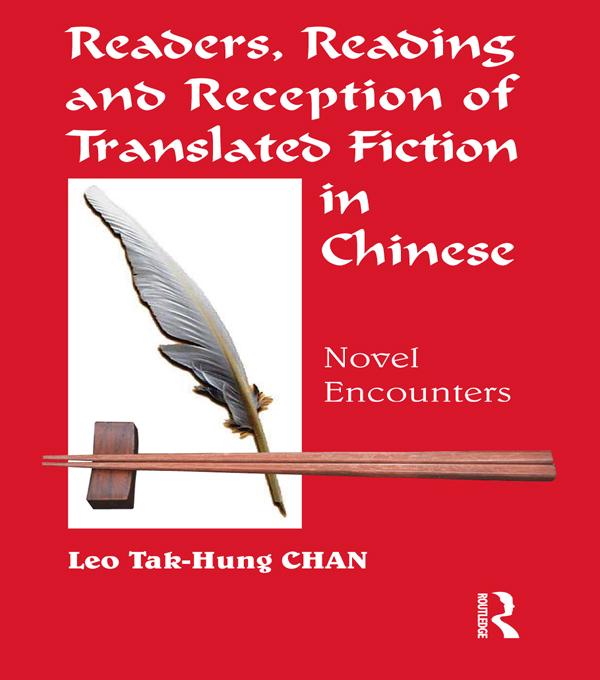
Translated fiction has largely been under-theorized, if not altogether ignored, in literary studies. Though widely consumed, translated novels are still considered secondary versions of foreign masterpieces. Readers, Reading and Reception of Translated Fiction in Chinese recognizes that translated novels are distinct from non-translated novels, just as they are distinct from the originals from which they are derived, but they are neither secondary nor inferior. They provide different models of reality; they are split apart by two languages, two cultures and two literary systems; and they are characterized by cultural hybridity, double voicing and multiple intertextualities.
With the continued popularity of translated fiction, questions related to its reading and reception take on increasing significance. Chan draws on insights from textual and narratological studies to unravel the processes through which readers interact with translated fiction. Moving from individual readings to collective reception, he considers how lay Chinese readers, as a community, 'received' translated British fiction at specific historical moments during the late twentieth and early twenty-first centuries. Case studies discussed include translations of stream-of-consciousness novels, fantasy fiction and postmodern works. In addition to lay readers, two further kinds of reader with bilingual facility are examined: the way critics and historians approach translated fiction is investigated from structuralist and poststrcuturalist perspectives. A range of novels by well-known British authors constitute the core of the study, including novels by Oscar Wilde, James Joyce, D.H. Lawrence, Virginia Woolf, John Fowles, Helen Fielding and J.K. Rowling.
Before Memmo my notes were scattered across PDFs. Now a workspace pulls everything into one place — I see exactly what's still left to study.
Memmo's summaries are gold before exams. I don't have to re-read 800 pages two weeks before — just the important parts.
The AI chat has saved me the night before an exam more than once. I just keep asking until I get it — no waiting on a study group to reply.
The quizzes hit exactly what I need to know. Memmo tracks what I get stuck on — so I only practice what's worth it.
Flashcards with spaced repetition are magic. Memmo knows when I'm about to forget something and brings it back.
The AI podcasts are my favorite. I listen on my way to school and get a recap without sitting at a computer.

Handbok i kvalitativa metoder
281 kr

Hållbar utveckling: en introduktion för ingenjörer och andra problemlösare
334 kr

Brymans Samhällsvetenskapliga metoder
390 kr

Projektledning
491 kr

Den orättvisa hälsan: om socioekonomiska skillnader i hälsa och livslängd
326 kr

Vetenskapsteori för nybörjare
196 kr

Organizational Leadership
429 kr

På väg mot läraryrket
172 kr

Det sociala livet i skolan: Socialpsykologiska perspektiv
253 kr

Betygsättningens didaktik
151 kr

Personality
402 kr

Studying Leadership
404 kr

Managing Innovation
477 kr

Introduktion till samhällsvetenskaplig metod
347 kr

The Psychology of Sex and Gender
698 kr

Evidens och kunskap för socialt arbete
207 kr

Introduction to Leadership
605 kr