
Before Memmo my notes were scattered across PDFs. Now a workspace pulls everything into one place — I see exactly what's still left to study.
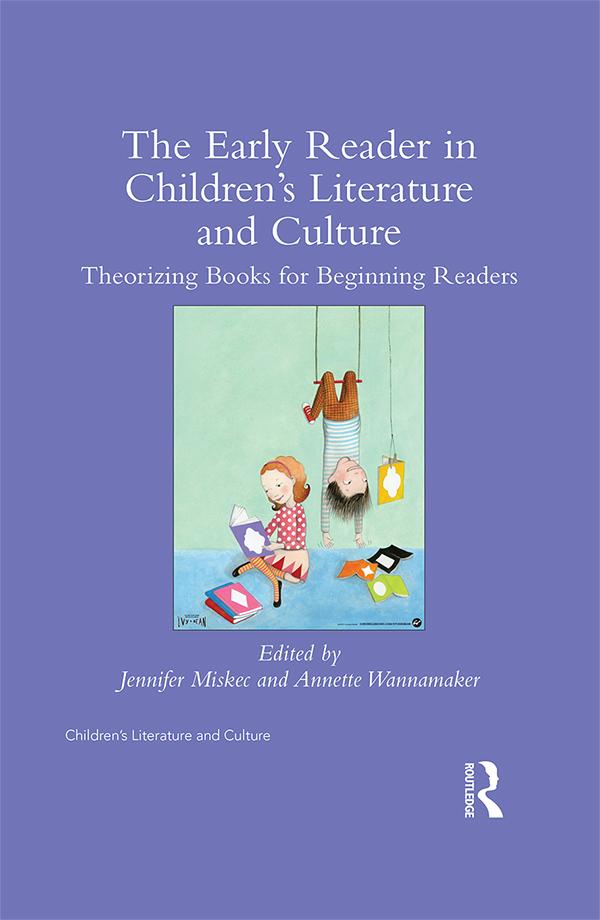
This is the first volume to consider the popular literary category of Early Readers – books written and designed for children who are just beginning to read independently. It argues that Early Readers deserve more scholarly attention and careful thought because they are, for many younger readers, their first opportunity to engage with a work of literature on their own, to feel a sense of mastery over a text, and to experience pleasure from the act of reading independently. Using interdisciplinary approaches that draw upon and synthesize research being done in education, child psychology, sociology, cultural studies, and children’s literature, the volume visits Early Readers from a variety of angles: as teaching tools; as cultural artifacts that shape cultural and individual subjectivity; as mass produced products sold to a niche market of parents, educators, and young children; and as aesthetic objects, works of literature and art with specific conventions. Examining the reasons such books are so popular with young readers, as well as the reasons that some adults challenge and censor them, the volume considers the ways Early Readers contribute to the construction of younger children as readers, thinkers, consumers, and as gendered, raced, classed subjects. It also addresses children’s texts that have been translated and sold around the globe, examining them as part of an increasingly transnational children’s media culture that may add to or supplant regional, ethnic, and national children’s literatures and cultures. While this collection focuses mostly on books written in English and often aimed at children living in the US, it is important to acknowledge that these Early Readers are a major US cultural export, influencing the reading habits and development of children across the globe.
Before Memmo my notes were scattered across PDFs. Now a workspace pulls everything into one place — I see exactly what's still left to study.
Memmo's summaries are gold before exams. I don't have to re-read 800 pages two weeks before — just the important parts.
The AI chat has saved me the night before an exam more than once. I just keep asking until I get it — no waiting on a study group to reply.
The quizzes hit exactly what I need to know. Memmo tracks what I get stuck on — so I only practice what's worth it.
Flashcards with spaced repetition are magic. Memmo knows when I'm about to forget something and brings it back.
The AI podcasts are my favorite. I listen on my way to school and get a recap without sitting at a computer.

Handbok i kvalitativa metoder
281 kr

Hållbar utveckling: en introduktion för ingenjörer och andra problemlösare
334 kr

Brymans Samhällsvetenskapliga metoder
390 kr

Projektledning
491 kr

Den orättvisa hälsan: om socioekonomiska skillnader i hälsa och livslängd
326 kr

Vetenskapsteori för nybörjare
196 kr

Organizational Leadership
429 kr

På väg mot läraryrket
172 kr

Det sociala livet i skolan: Socialpsykologiska perspektiv
253 kr

Betygsättningens didaktik
151 kr

Personality
402 kr

Studying Leadership
404 kr

Managing Innovation
477 kr

Introduktion till samhällsvetenskaplig metod
347 kr

The Psychology of Sex and Gender
698 kr

Evidens och kunskap för socialt arbete
207 kr

Introduction to Leadership
605 kr