
Before Memmo my notes were scattered across PDFs. Now a workspace pulls everything into one place — I see exactly what's still left to study.
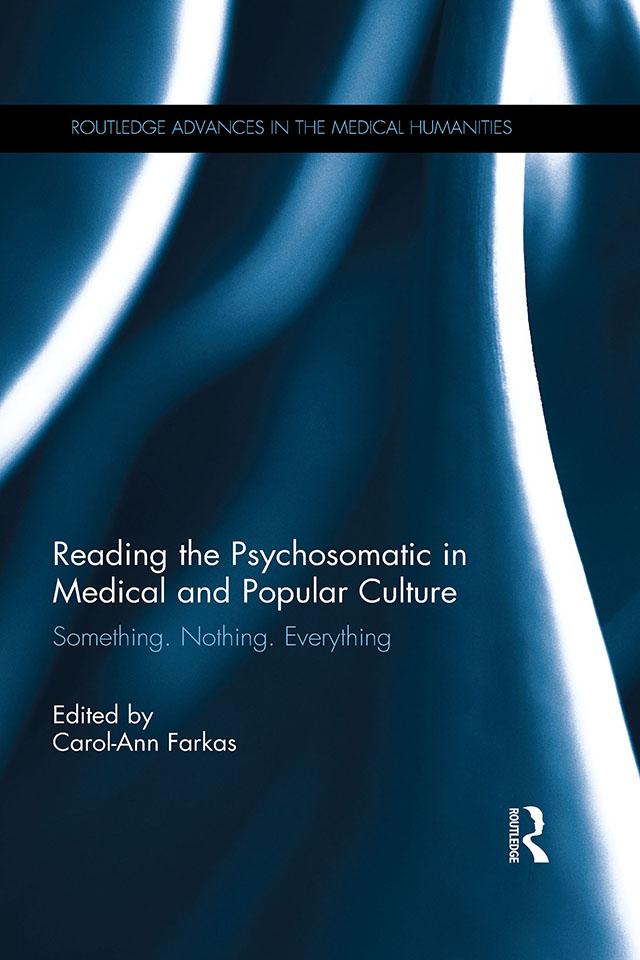
Pain. Chronic digestive symptoms. Poor sleep. Neuropathy. Sensory disturbances. Fatigue. Panic. Constant illness and discomfort. Frequent difficulty coping with work, school, relationships.
Despite the common experience of being told that it’s all in their heads, that they’re just making themselves sick, individuals with these symptoms are experiencing a very real, sometimes debilitating, illness phenomenon. But what is it? Physical or mental illness? Political or social identity? Cultural, narrative, or discursive construction? When something goes awry at the intersection of mind and body – the psychosomatic – what is happening?
Widely recognized, yet difficult to classify, diagnose, treat, and explain, psychosomatic disorders are heavily stigmatized, and the associated syndromes have become the site of controversy and antipathy in the provider–patient relationship. In popular culture, terms such as medically unexplained symptoms, hysteria, neurasthenia, hypochondria, functional illness, and malingering are misunderstood, unknown, or rejected outright. Meanwhile, perspectives from cultural and textual studies focus on the psychosomatic as a metaphor in art, literature, and popular media, where disruptions of the body and mind are regularly made to stand in for individual alienation and cultural malaise. Bringing together multiple perspectives, this challenging volume tackles causes, and innovative, humanistic solutions, to conflicts in the provider–patient relationship; uses the psychosomatic as a lens for theorizing the self in culture; and examines the metaphorical potential of the psychosomatic in fictional narrative.
Providing a unique assemblage of interdisciplinary, international approaches to understanding the problem of the psychosomatic in both expert and lay discourses, this pioneering edited collection is aimed at students and researchers of health, popular culture, and the health care humanities.
Before Memmo my notes were scattered across PDFs. Now a workspace pulls everything into one place — I see exactly what's still left to study.
Memmo's summaries are gold before exams. I don't have to re-read 800 pages two weeks before — just the important parts.
The AI chat has saved me the night before an exam more than once. I just keep asking until I get it — no waiting on a study group to reply.
The quizzes hit exactly what I need to know. Memmo tracks what I get stuck on — so I only practice what's worth it.
Flashcards with spaced repetition are magic. Memmo knows when I'm about to forget something and brings it back.
The AI podcasts are my favorite. I listen on my way to school and get a recap without sitting at a computer.

Handbok i kvalitativa metoder
281 kr

Hållbar utveckling: en introduktion för ingenjörer och andra problemlösare
334 kr

Brymans Samhällsvetenskapliga metoder
390 kr

Projektledning
491 kr

Den orättvisa hälsan: om socioekonomiska skillnader i hälsa och livslängd
326 kr

Vetenskapsteori för nybörjare
196 kr

Organizational Leadership
429 kr

På väg mot läraryrket
172 kr

Det sociala livet i skolan: Socialpsykologiska perspektiv
253 kr

Betygsättningens didaktik
151 kr

Personality
402 kr

Studying Leadership
404 kr

Managing Innovation
477 kr

Introduktion till samhällsvetenskaplig metod
347 kr

The Psychology of Sex and Gender
698 kr

Evidens och kunskap för socialt arbete
207 kr

Introduction to Leadership
605 kr