
Before Memmo my notes were scattered across PDFs. Now a workspace pulls everything into one place — I see exactly what's still left to study.
Winner of the Children’s Literature Association Book Award
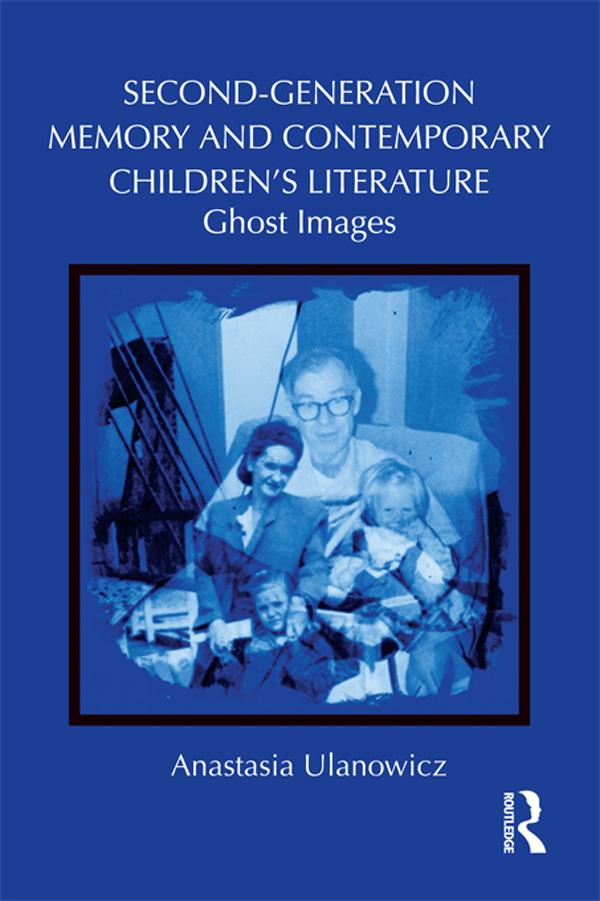
This book visits a range of textual forms including diary, novel, and picturebook to explore the relationship between second-generation memory and contemporary children’s literature. Ulanowicz argues that second-generation memory — informed by intimate family relationships, textual mediation, and technology — is characterized by vicarious, rather than direct, experience of the past. As such, children’s literature is particularly well-suited to the representation of second-generation memory, insofar as children’s fiction is particularly invested in the transmission and reproduction of cultural memory, and its form promotes the formation of various complex intergenerational relationships. Further, children’s books that depict second-generation memory have the potential to challenge conventional Western notions of selfhood and ethics. This study shows how novels such as Lois Lowry’s The Giver (1993) and Judy Blume’s Starring Sally J Freedman as Herself (1977) — both of which feature protagonists who adapt their elders’ memories into their own mnemonic repertoires — implicitly reject Cartesian notions of the unified subject in favor of a view of identity as always-already social, relational, and dynamic in character. This book not only questions how and why second-generation memory is represented in books for young people, but whether such representations of memory might be considered 'radical' or 'conservative'. Together, these analyses address a topic that has not been explored fully within the fields of children’s literature, trauma and memory studies, and Holocaust studies.
Before Memmo my notes were scattered across PDFs. Now a workspace pulls everything into one place — I see exactly what's still left to study.
Memmo's summaries are gold before exams. I don't have to re-read 800 pages two weeks before — just the important parts.
The AI chat has saved me the night before an exam more than once. I just keep asking until I get it — no waiting on a study group to reply.
The quizzes hit exactly what I need to know. Memmo tracks what I get stuck on — so I only practice what's worth it.
Flashcards with spaced repetition are magic. Memmo knows when I'm about to forget something and brings it back.
The AI podcasts are my favorite. I listen on my way to school and get a recap without sitting at a computer.

Handbok i kvalitativa metoder
281 kr

Hållbar utveckling: en introduktion för ingenjörer och andra problemlösare
334 kr

Brymans Samhällsvetenskapliga metoder
390 kr

Projektledning
491 kr

Den orättvisa hälsan: om socioekonomiska skillnader i hälsa och livslängd
326 kr

Vetenskapsteori för nybörjare
196 kr

Organizational Leadership
429 kr

På väg mot läraryrket
172 kr

Det sociala livet i skolan: Socialpsykologiska perspektiv
253 kr

Betygsättningens didaktik
151 kr

Personality
402 kr

Studying Leadership
404 kr

Managing Innovation
477 kr

Introduktion till samhällsvetenskaplig metod
347 kr

The Psychology of Sex and Gender
698 kr

Evidens och kunskap för socialt arbete
207 kr

Introduction to Leadership
605 kr