
Before Memmo my notes were scattered across PDFs. Now a workspace pulls everything into one place — I see exactly what's still left to study.
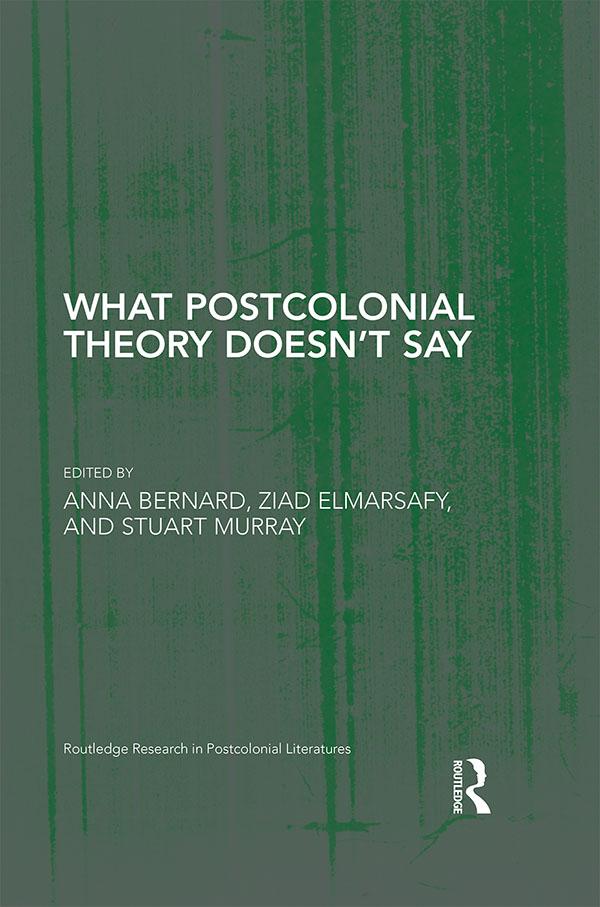
This book reclaims postcolonial theory, addressing persistent limitations in the geographical, disciplinary, and methodological assumptions of its dominant formations. It emerges, however, from an investment in the future of postcolonial studies and a commitment to its basic premise: namely, that literature and culture are fundamental to the response to structures of colonial and imperial domination. To a certain extent, postcolonial theory is a victim of its own success, not least because of the institutionalization of the insights that it has enabled. Now that these insights no longer seem new, it is hard to know what the field should address beyond its general commitments. Yet the renewal of popular anti-imperial energies across the globe provides an important opportunity to reassert the political and theoretical value of the postcolonial as a comparative, interdisciplinary, and oppositional paradigm. This collection makes a claim for what postcolonial theory can say through the work of scholars articulating what it still cannot or will not say. It explores ideas that a more aesthetically sophisticated postcolonial theory might be able to address, focusing on questions of visibility, performance, and literariness. Contributors highlight some of the shortcomings of current postcolonial theory in relation to contemporary political developments such as Zimbabwean land reform, postcommunism, and the economic rise of Asia. Finally, they address the disciplinary, geographical, and methodological exclusions from postcolonial studies through a detailed focus on new disciplinary directions (management studies, international relations, disaster studies), overlooked locations and perspectives (Palestine, Weimar Germany, the commons), and the necessity of materialist analysis for understanding both the contemporary world and world literary systems.
Before Memmo my notes were scattered across PDFs. Now a workspace pulls everything into one place — I see exactly what's still left to study.
Memmo's summaries are gold before exams. I don't have to re-read 800 pages two weeks before — just the important parts.
The AI chat has saved me the night before an exam more than once. I just keep asking until I get it — no waiting on a study group to reply.
The quizzes hit exactly what I need to know. Memmo tracks what I get stuck on — so I only practice what's worth it.
Flashcards with spaced repetition are magic. Memmo knows when I'm about to forget something and brings it back.
The AI podcasts are my favorite. I listen on my way to school and get a recap without sitting at a computer.

Handbok i kvalitativa metoder
281 kr

Hållbar utveckling: en introduktion för ingenjörer och andra problemlösare
334 kr

Brymans Samhällsvetenskapliga metoder
390 kr

Projektledning
491 kr

Den orättvisa hälsan: om socioekonomiska skillnader i hälsa och livslängd
326 kr

Vetenskapsteori för nybörjare
196 kr

Organizational Leadership
429 kr

På väg mot läraryrket
172 kr

Det sociala livet i skolan: Socialpsykologiska perspektiv
253 kr

Betygsättningens didaktik
151 kr

Personality
402 kr

Studying Leadership
404 kr

Managing Innovation
477 kr

Introduktion till samhällsvetenskaplig metod
347 kr

The Psychology of Sex and Gender
698 kr

Evidens och kunskap för socialt arbete
207 kr

Introduction to Leadership
605 kr