
Before Memmo my notes were scattered across PDFs. Now a workspace pulls everything into one place — I see exactly what's still left to study.
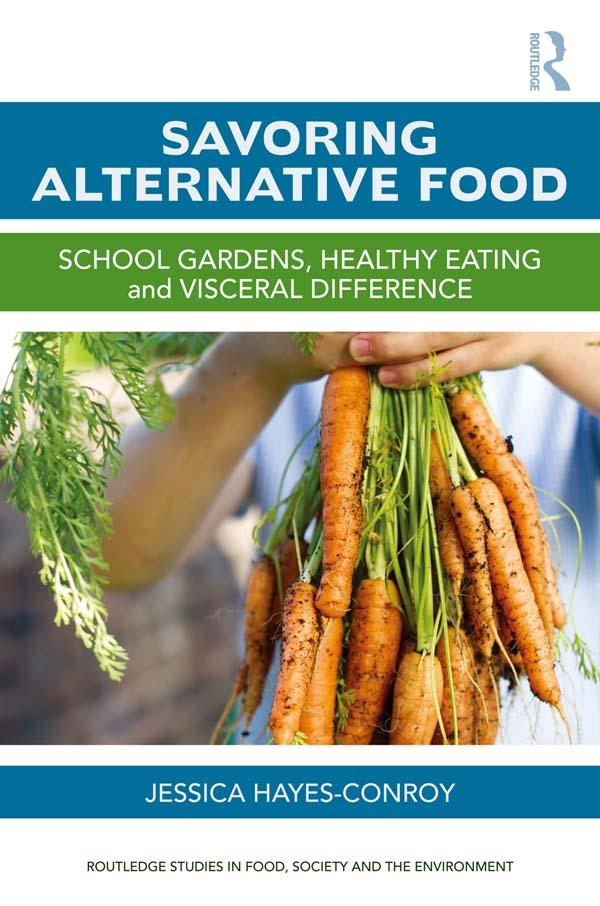
Advocates of the alternative food movement often insist that food is our "common ground" – that through the very basic human need to eat, we all become entwined in a network of mutual solidarity. In this challenging book, the author explores the contradictions and shortcomings of alternative food activism by examining specific endeavours of the movement through various lenses of social difference – including class, race, gender, and age.
While the solidarity adage has inspired many, it is shown that this has also had the unfortunate effect of promoting sameness over difference, eschewing inequities in an effort to focus on being "together at the table". The author explores questions of who belongs at the table of alternative food, and who gets to decide what is eaten there; and what is at stake when alternative food practices become the model for what is right to eat? Case studies are presented based on fieldwork in two distinct loci of alternative food organizing: school gardens and slow food movements in Berkeley, California and rural Nova Scotia. The stories take social difference as a starting point, but they also focus specifically on the complexities of sensory experience – how material bodies take up social difference, both confirming and disrupting it, in the visceral processes of eating.
Overall the book demonstrates the importance of moving beyond a promotion of universal "shoulds" of eating, and towards a practice of food activism that is more sensitive to issues of social and material difference.
Before Memmo my notes were scattered across PDFs. Now a workspace pulls everything into one place — I see exactly what's still left to study.
Memmo's summaries are gold before exams. I don't have to re-read 800 pages two weeks before — just the important parts.
The AI chat has saved me the night before an exam more than once. I just keep asking until I get it — no waiting on a study group to reply.
The quizzes hit exactly what I need to know. Memmo tracks what I get stuck on — so I only practice what's worth it.
Flashcards with spaced repetition are magic. Memmo knows when I'm about to forget something and brings it back.
The AI podcasts are my favorite. I listen on my way to school and get a recap without sitting at a computer.

Handbok i kvalitativa metoder
281 kr

Hållbar utveckling: en introduktion för ingenjörer och andra problemlösare
334 kr

Brymans Samhällsvetenskapliga metoder
390 kr

Projektledning
491 kr

Den orättvisa hälsan: om socioekonomiska skillnader i hälsa och livslängd
326 kr

Vetenskapsteori för nybörjare
196 kr

Organizational Leadership
429 kr

På väg mot läraryrket
172 kr

Det sociala livet i skolan: Socialpsykologiska perspektiv
253 kr

Betygsättningens didaktik
151 kr

Personality
402 kr

Studying Leadership
404 kr

Managing Innovation
477 kr

Introduktion till samhällsvetenskaplig metod
347 kr

The Psychology of Sex and Gender
698 kr

Evidens och kunskap för socialt arbete
207 kr

Introduction to Leadership
605 kr