
Before Memmo my notes were scattered across PDFs. Now a workspace pulls everything into one place — I see exactly what's still left to study.
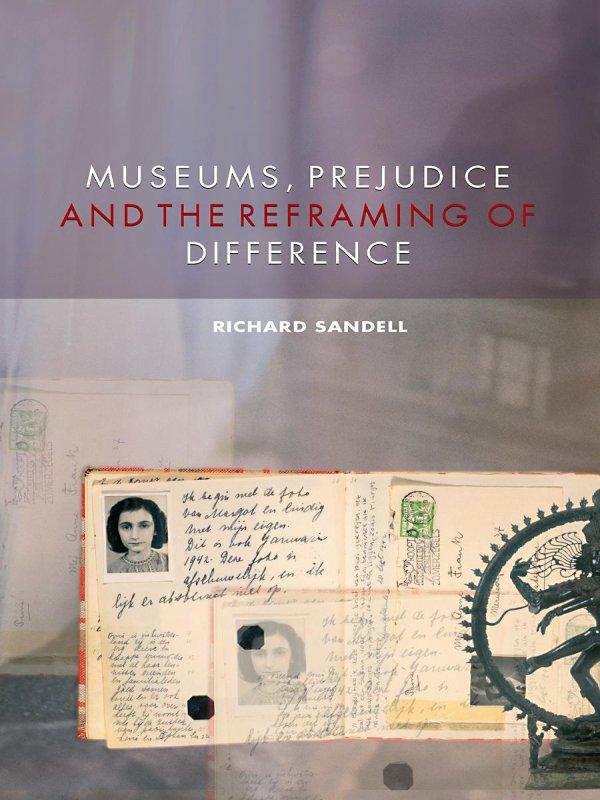
How, if it all, do museums shape the ways in which society understands difference?
In recent decades there has been growing international interest amongst practitioners, academics and policy makers in the role that museums might play in confronting prejudice and promoting human rights and cross-cultural understanding. Museums in many parts of the world are increasingly concerned to construct exhibitions which represent, in more equitable ways, the culturally pluralist societies within which they operate, accommodating and
engaging with differences on the basis of gender, race, ethnicity, class, religion, disability, sexuality and so on.
Despite the ubiquity of these trends, there is nevertheless limited understanding of the social effects, and attendant
political consequences, of these purposive representational strategies.
Richard Sandell combines interdisciplinary theoretical perspectives with in-depth empirical investigation to address a number of timely questions. How do audiences engage with and respond to exhibitions designed to contest, subvert and reconfigure prejudiced conceptions of social groups? To what extent can museums be understood to shape, not simply reflect, normative understandings of difference, acceptability and tolerance? What are the challenges for museums which attempt to engage audiences in debating morally charged and contested contemporary social issues and how might these be addressed? Sandell argues that museums frame, inform and enable the conversations which audiences and society more broadly have about difference and highlights the moral and political challenges, opportunities and responsibilities which accompany these constitutive qualities.
Before Memmo my notes were scattered across PDFs. Now a workspace pulls everything into one place — I see exactly what's still left to study.
Memmo's summaries are gold before exams. I don't have to re-read 800 pages two weeks before — just the important parts.
The AI chat has saved me the night before an exam more than once. I just keep asking until I get it — no waiting on a study group to reply.
The quizzes hit exactly what I need to know. Memmo tracks what I get stuck on — so I only practice what's worth it.
Flashcards with spaced repetition are magic. Memmo knows when I'm about to forget something and brings it back.
The AI podcasts are my favorite. I listen on my way to school and get a recap without sitting at a computer.

Handbok i kvalitativa metoder
281 kr

Hållbar utveckling: en introduktion för ingenjörer och andra problemlösare
334 kr

Brymans Samhällsvetenskapliga metoder
390 kr

Projektledning
491 kr

Den orättvisa hälsan: om socioekonomiska skillnader i hälsa och livslängd
326 kr

Vetenskapsteori för nybörjare
196 kr

Organizational Leadership
429 kr

På väg mot läraryrket
172 kr

Det sociala livet i skolan: Socialpsykologiska perspektiv
253 kr

Betygsättningens didaktik
151 kr

Personality
402 kr

Studying Leadership
404 kr

Managing Innovation
477 kr

Introduktion till samhällsvetenskaplig metod
347 kr

The Psychology of Sex and Gender
698 kr

Evidens och kunskap för socialt arbete
207 kr

Introduction to Leadership
605 kr