
Before Memmo my notes were scattered across PDFs. Now a workspace pulls everything into one place — I see exactly what's still left to study.
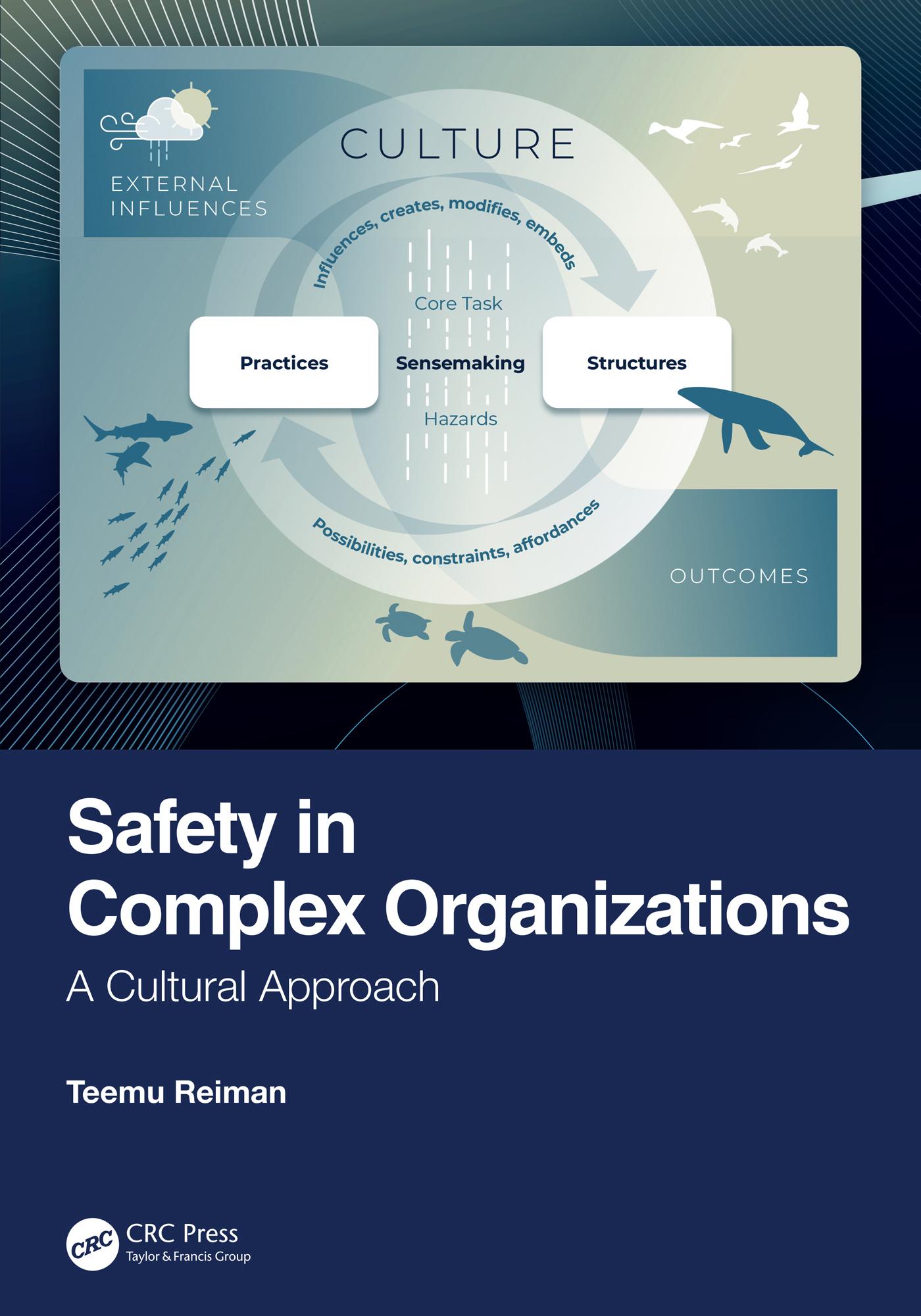
Managing safety in today’s complex organizations is no easy feat. When looking at safety from a cultural perspective, organizations are seen as cultures, with their own internal dynamics and ways of interacting with, and interpreting, the outside world. Looking at organizations from a cultural perspective improves our ability to lead and manage them by increasing our understanding of these internal dynamics shaping their behavior. This book offers a theoretically sound yet practical approach to organizational and cultural issues. It investigates their influence on safety and acknowledges the complexity and dynamic nature of today’s organizations.
The book is a comprehensive introduction to a cultural approach to safety. It explains the main principles in thinking about safety from a cultural perspective and provides the reader with tools for monitoring and developing culture for safety in organizations. Methods for developing a cultural approach to safety are introduced, and typical approaches to assessing culture for safety are critically reviewed. It draws on more than two decades of experience that the author has in the safety field as a researcher, consultant, and practitioner and includes practical examples, lessons learned, and research findings from several safety-critical fields, including the nuclear, healthcare, construction, petrochemical, and transportation sectors. The reader will develop a thorough overview towards developing their own cultural approach to safety through overviews of resilience and complexity thinking, organizational psychology, management sciences, leadership research, psychological safety, normalization, drift, decision making, leadership, and communication.
Safety in Complex Organizations: A Cultural Approach is a fascinating read for professionals from any discipline who deal with hazards and safety issues, especially those in the nuclear industry; transportation industries, including aviation, rail, and maritime; petrochemical industries; the food industry; healthcare; mining; construction; and conventional and renewable power industries.
Before Memmo my notes were scattered across PDFs. Now a workspace pulls everything into one place — I see exactly what's still left to study.
Memmo's summaries are gold before exams. I don't have to re-read 800 pages two weeks before — just the important parts.
The AI chat has saved me the night before an exam more than once. I just keep asking until I get it — no waiting on a study group to reply.
The quizzes hit exactly what I need to know. Memmo tracks what I get stuck on — so I only practice what's worth it.
Flashcards with spaced repetition are magic. Memmo knows when I'm about to forget something and brings it back.
The AI podcasts are my favorite. I listen on my way to school and get a recap without sitting at a computer.

Handbok i kvalitativa metoder
281 kr

Hållbar utveckling: en introduktion för ingenjörer och andra problemlösare
334 kr

Brymans Samhällsvetenskapliga metoder
390 kr

Projektledning
491 kr

Den orättvisa hälsan: om socioekonomiska skillnader i hälsa och livslängd
326 kr

Vetenskapsteori för nybörjare
196 kr

Organizational Leadership
429 kr

På väg mot läraryrket
172 kr

Det sociala livet i skolan: Socialpsykologiska perspektiv
253 kr

Betygsättningens didaktik
151 kr

Personality
402 kr

Studying Leadership
404 kr

Managing Innovation
477 kr

Introduktion till samhällsvetenskaplig metod
347 kr

The Psychology of Sex and Gender
698 kr

Evidens och kunskap för socialt arbete
207 kr

Introduction to Leadership
605 kr