
Before Memmo my notes were scattered across PDFs. Now a workspace pulls everything into one place — I see exactly what's still left to study.
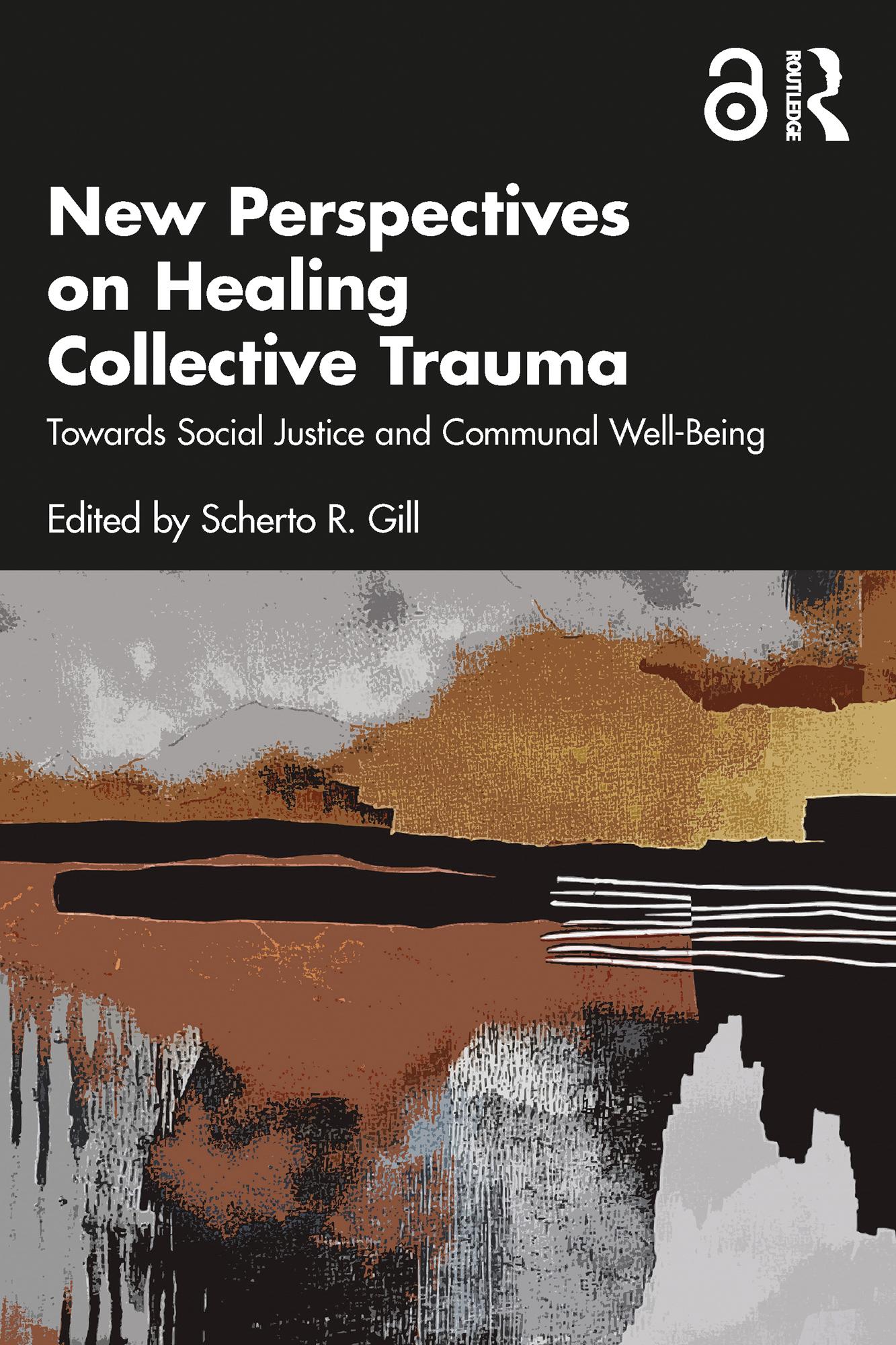
This book examines how historical injustices, especially enslavement, colonialism, and systemic racism, continue to impact societies today. Drawing on global case studies, from the legacies of transatlantic slavery and colonialism in the Americas to Indigenous experiences of reconciliation in Canada, racial healing initiatives in the United States, and community intergenerational dialogues in Africa, it explores how past traumas are transmitted across generations, shaping contemporary inequalities.
The authors argue that addressing these enduring harms requires collective healing, involving processes of acknowledging the wounds, truth-telling, reparations, reconciliation, and inclusive dialogue across diverse generations and communities. Innovative frameworks presented include “Emotional Justice”, which emphasizes relational well-being and narrative transformation, and “intergenerational dialogue and inquiry” that reaffirms human dignity and restores traditional wisdom and communal resilience. The book also introduces ideas of “healing architecture” and “politics of dignity” that outline structural features of a just society, showing how institutions can be intentionally designed to respect the equal intrinsic value of all persons, nurture social justice, and foster collective well-being.
Gathering interdisciplinary perspectives and renowned global scholars in one volume, the book offers practical strategies and hopeful narratives that demonstrate how societies can move from entrenched division towards communal healing and shared flourishing. It is an essential resource for anyone interested in creating more just, empathetic, and inclusive societies in our increasingly interconnected world.
The Open Access version of this book, available at http://www.taylorfrancis.com, has been made available under a Creative Commons [Attribution-Non Commercial-No Derivatives (CC-BY-NC-ND)] 4.0 International license.
Before Memmo my notes were scattered across PDFs. Now a workspace pulls everything into one place — I see exactly what's still left to study.
Memmo's summaries are gold before exams. I don't have to re-read 800 pages two weeks before — just the important parts.
The AI chat has saved me the night before an exam more than once. I just keep asking until I get it — no waiting on a study group to reply.
The quizzes hit exactly what I need to know. Memmo tracks what I get stuck on — so I only practice what's worth it.
Flashcards with spaced repetition are magic. Memmo knows when I'm about to forget something and brings it back.
The AI podcasts are my favorite. I listen on my way to school and get a recap without sitting at a computer.

Handbok i kvalitativa metoder
281 kr

Hållbar utveckling: en introduktion för ingenjörer och andra problemlösare
334 kr

Brymans Samhällsvetenskapliga metoder
390 kr

Projektledning
491 kr

Den orättvisa hälsan: om socioekonomiska skillnader i hälsa och livslängd
326 kr

Vetenskapsteori för nybörjare
196 kr

Organizational Leadership
429 kr

På väg mot läraryrket
172 kr

Det sociala livet i skolan: Socialpsykologiska perspektiv
253 kr

Betygsättningens didaktik
151 kr

Personality
402 kr

Studying Leadership
404 kr

Managing Innovation
477 kr

Introduktion till samhällsvetenskaplig metod
347 kr

The Psychology of Sex and Gender
698 kr

Evidens och kunskap för socialt arbete
207 kr

Introduction to Leadership
605 kr