
Before Memmo my notes were scattered across PDFs. Now a workspace pulls everything into one place — I see exactly what's still left to study.
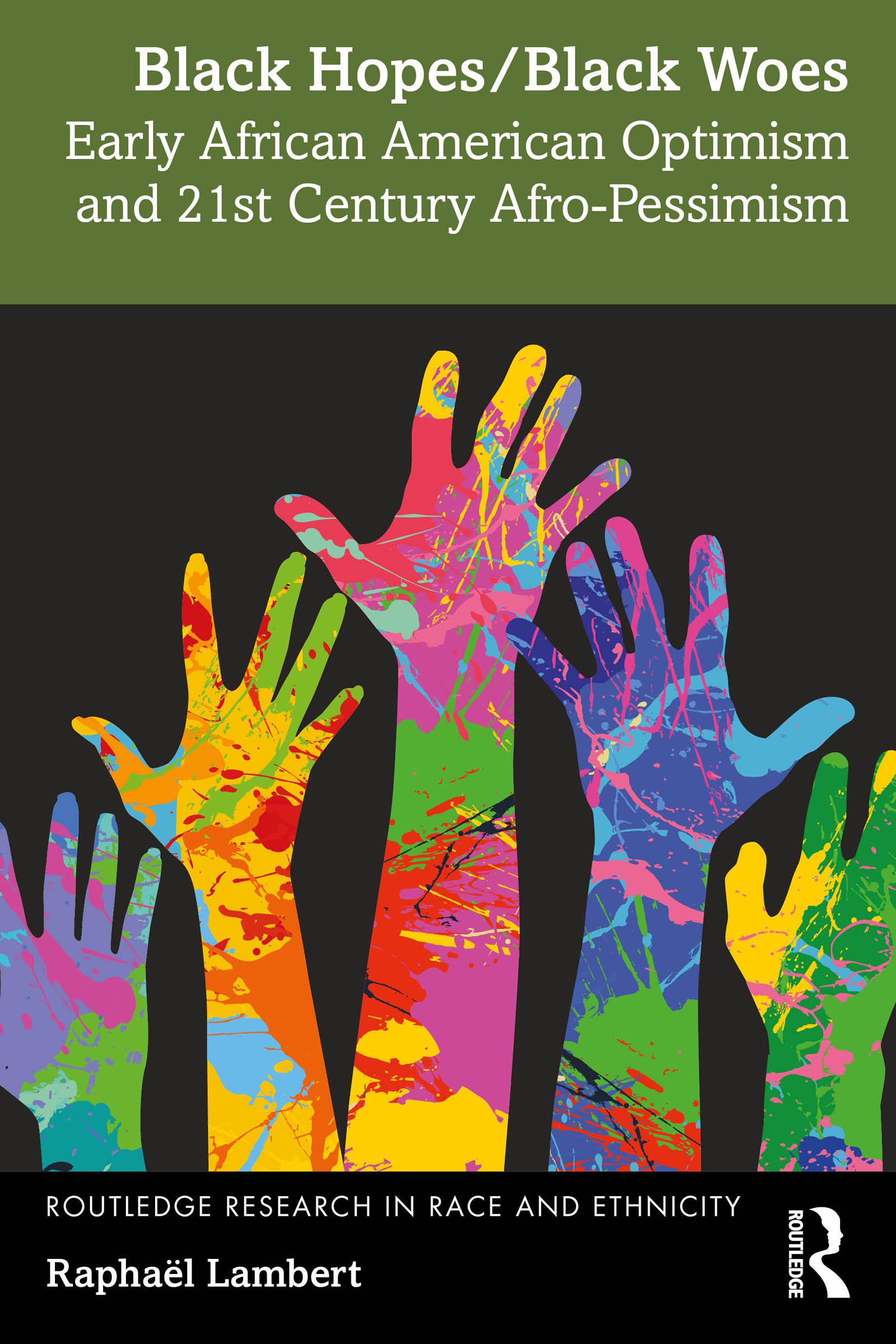
Black Hopes/Black Woes begins by delving into the contrasting mindsets of postbellum African Americans and their twenty-first-century counterparts, aiming to elucidate the shift from early Black optimism to present-day Black pessimism. It then focuses on the rationale behind Afro-pessimism, a contemporary school of thought with an inconspicuous yet potent influence on mainstream culture.
The first part of the book focuses on Frederick Douglass’s and WEB Du Bois’s interpretations of slave songs, establishing a link between the Negro, freedom, and democracy. This optimistic view is juxtaposed with Saidiya Hartman’s, who, with 100 years’ hindsight, condemns Du Bois’s reformist spirit and efforts to tackle Black poverty as supercilious and damaging. The book then scrutinizes Afro-pessimism through the work of Frank B. Wilderson III, who posits that the stability of civil society hinges on anti-Black violence. Accordingly, he argues that any analogy between Black and non-Black experiences is flawed and that Marxism, which privileges labor over racial issues, is inadequate to grasp Blackness. Additionally, the book explores the essentialist discourse of Afro-pessimism through David Marriott’s analysis of Frantz Fanon, which theorizes the non-beingness of Blackness despite Fanon’s focus on being colonized rather than Black. Finally, the book demonstrates how Afro-pessimism overlaps with postcolonialism and conflicts with Fanon’s universalism, his rejection of identity politics, and his advocacy for transracial and transnational dialogue.
While the radical nature of Afro-pessimism may seem to manifest an unresolved national trauma, Black Hopes/Black Woes situates this ideology in the larger contemporary philosophical and critical discourse, shedding light on its propensity to foster a culture of resentment and cynicism. Once confined to a niche academic audience, Afro-pessimism has percolated the mainstream, stoking the fire of racial antagonism.
Before Memmo my notes were scattered across PDFs. Now a workspace pulls everything into one place — I see exactly what's still left to study.
Memmo's summaries are gold before exams. I don't have to re-read 800 pages two weeks before — just the important parts.
The AI chat has saved me the night before an exam more than once. I just keep asking until I get it — no waiting on a study group to reply.
The quizzes hit exactly what I need to know. Memmo tracks what I get stuck on — so I only practice what's worth it.
Flashcards with spaced repetition are magic. Memmo knows when I'm about to forget something and brings it back.
The AI podcasts are my favorite. I listen on my way to school and get a recap without sitting at a computer.

Handbok i kvalitativa metoder
281 kr

Hållbar utveckling: en introduktion för ingenjörer och andra problemlösare
334 kr

Brymans Samhällsvetenskapliga metoder
390 kr

Projektledning
491 kr

Den orättvisa hälsan: om socioekonomiska skillnader i hälsa och livslängd
326 kr

Vetenskapsteori för nybörjare
196 kr

Organizational Leadership
429 kr

På väg mot läraryrket
172 kr

Det sociala livet i skolan: Socialpsykologiska perspektiv
253 kr

Betygsättningens didaktik
151 kr

Personality
402 kr

Studying Leadership
404 kr

Managing Innovation
477 kr

Introduktion till samhällsvetenskaplig metod
347 kr

The Psychology of Sex and Gender
698 kr

Evidens och kunskap för socialt arbete
207 kr

Introduction to Leadership
605 kr