
Before Memmo my notes were scattered across PDFs. Now a workspace pulls everything into one place — I see exactly what's still left to study.
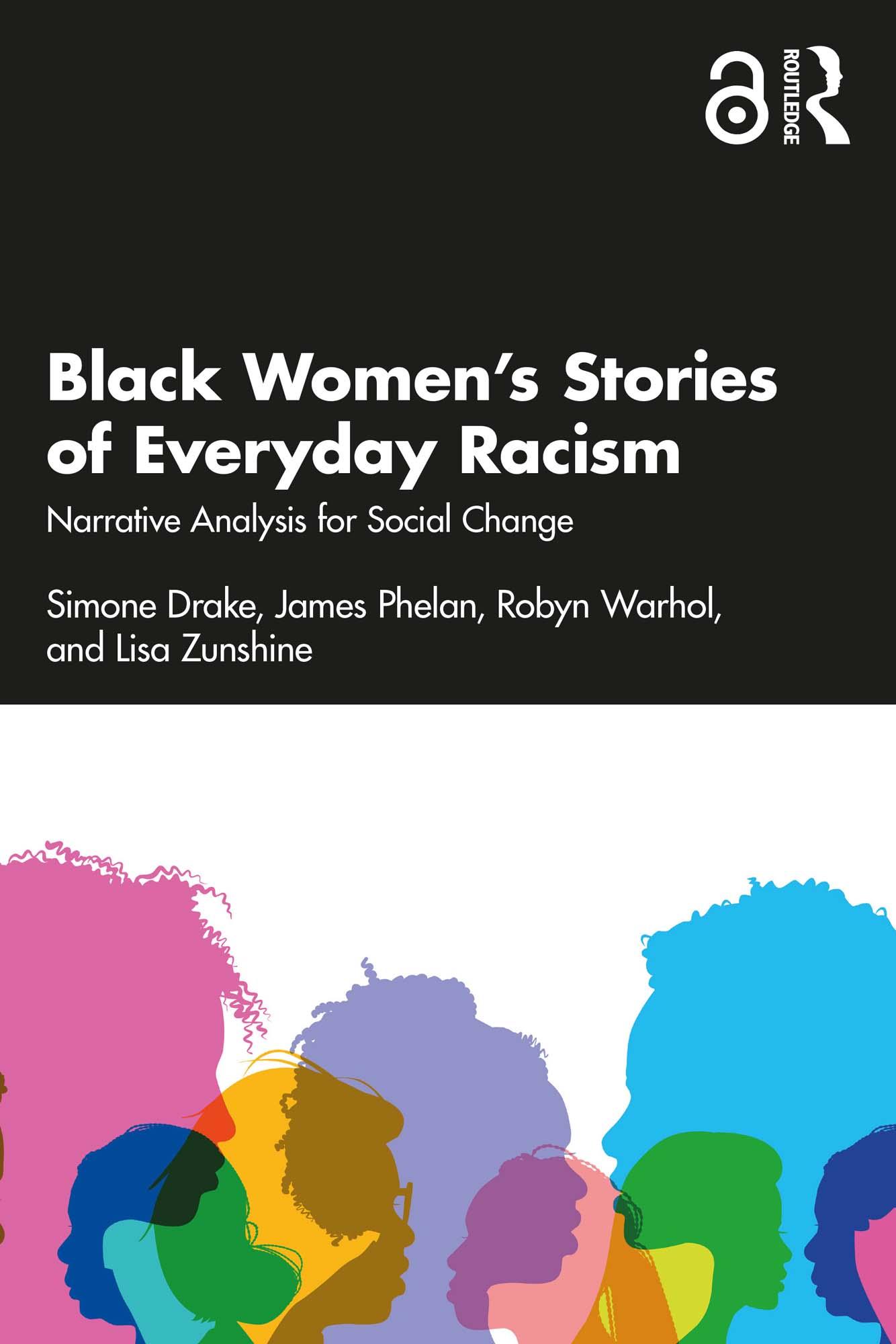
Black Women’s Stories of Everyday Racism puts literary narrative theory to work on an urgent real-world problem. The book calls attention to African American women’s everyday experiences with systemic racism and demonstrates how four types of narrative theory can help generate strategies to explain and dismantle that racism. This volume presents fifteen stories told by eight midwestern African American women about their own experiences with casual and structural racism, followed by four detailed narratological analyses of the stories, each representing a different approach to narrative interpretation. The book makes a case for the need to hear the personal stories of these women and others like them as part of a larger effort to counter the systemic racism that prevails in the United States today.
Readers will find that the women’s stories offer powerful evidence that African Americans experience racism as an inescapable part of their day-to-day lives—and sometimes as a force that radically changes their lives. The stories provide experience-based demonstrations of how pervasive systemic racism is and how it perpetuates power differentials that are baked into institutions such as schools, law enforcement, the health care system, and business. Containing countless signs of the stress and trauma that accompany and follow from experiences of racism, the stories reveal evidence of the women’s resilience as well as their unending need for it, as they continue to feel the negative effects of experiences that occurred many years ago. The four interpretive chapters note the complex skill involved in the women’s storytelling. The analyses also point to the overall value of telling these stories: how they are sometimes cathartic for the tellers; how they highlight the importance of listening—and the likelihood of misunderstanding—and how, if they and other stories like them were heard more often, they would be a force to counteract the structural racism they so graphically expose.
The Open Access version of this book, available at http://www.taylorfrancis.com, has been made available under a Creative Commons Attribution (CC-BY) 4.0 license.
Before Memmo my notes were scattered across PDFs. Now a workspace pulls everything into one place — I see exactly what's still left to study.
Memmo's summaries are gold before exams. I don't have to re-read 800 pages two weeks before — just the important parts.
The AI chat has saved me the night before an exam more than once. I just keep asking until I get it — no waiting on a study group to reply.
The quizzes hit exactly what I need to know. Memmo tracks what I get stuck on — so I only practice what's worth it.
Flashcards with spaced repetition are magic. Memmo knows when I'm about to forget something and brings it back.
The AI podcasts are my favorite. I listen on my way to school and get a recap without sitting at a computer.

Handbok i kvalitativa metoder
281 kr

Hållbar utveckling: en introduktion för ingenjörer och andra problemlösare
334 kr

Brymans Samhällsvetenskapliga metoder
390 kr

Projektledning
491 kr

Den orättvisa hälsan: om socioekonomiska skillnader i hälsa och livslängd
326 kr

Vetenskapsteori för nybörjare
196 kr

Organizational Leadership
429 kr

På väg mot läraryrket
172 kr

Det sociala livet i skolan: Socialpsykologiska perspektiv
253 kr

Betygsättningens didaktik
151 kr

Personality
402 kr

Studying Leadership
404 kr

Managing Innovation
477 kr

Introduktion till samhällsvetenskaplig metod
347 kr

The Psychology of Sex and Gender
698 kr

Evidens och kunskap för socialt arbete
207 kr

Introduction to Leadership
605 kr