
Before Memmo my notes were scattered across PDFs. Now a workspace pulls everything into one place — I see exactly what's still left to study.
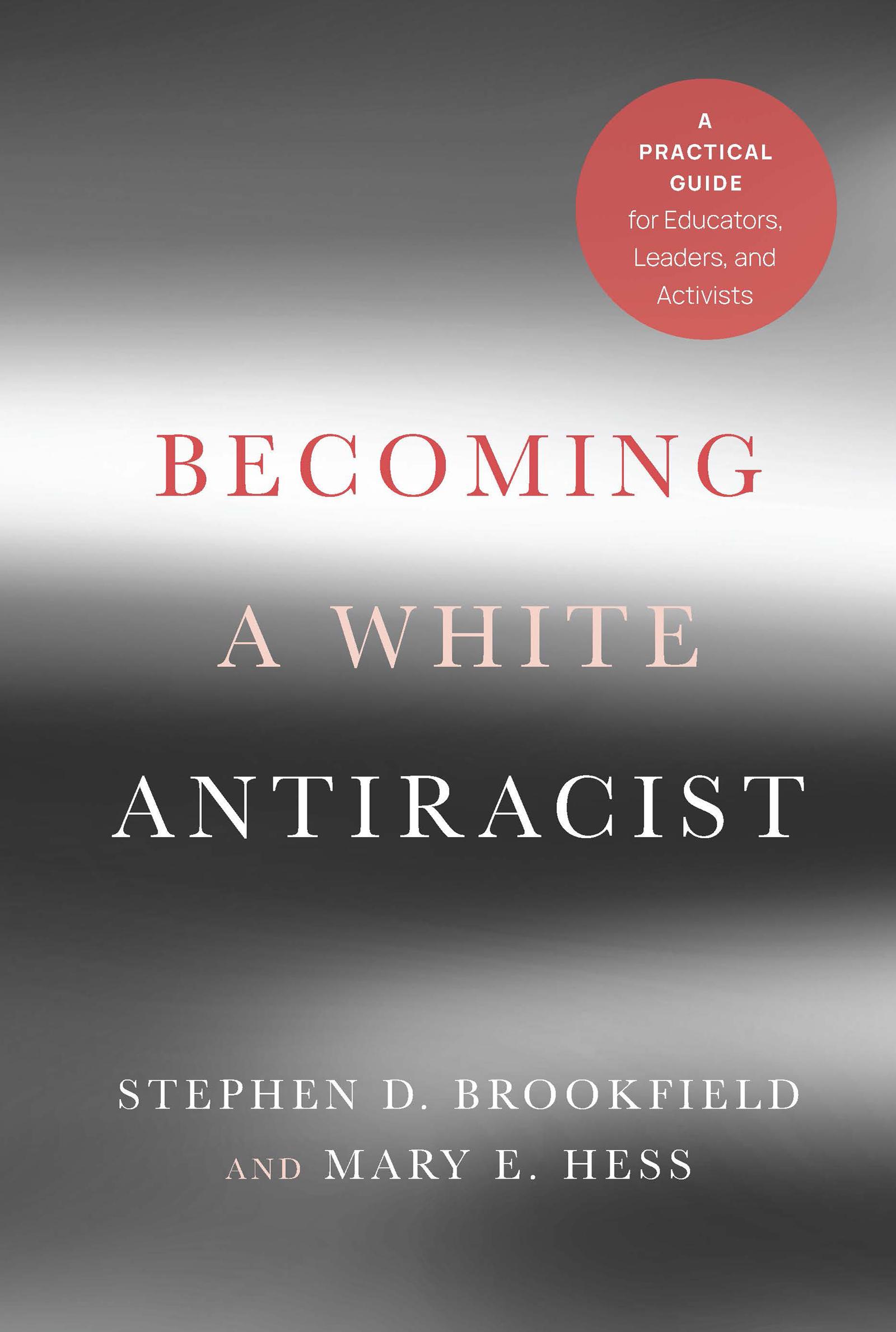
As this book was being written, the United States exploded in outrage against the murder by police of people of color across the country. Corporations, branches of state and local government, and educational institutions all pledged to work for racial justice and the Black Lives Matters movement moved into the mainstream as people from multiple racial and class identities pledged their support to its message. Diversity initiatives abounded, mission statements everywhere were changed to incorporate references to racial justice, and the rampant anti-blackness endemic to US culture was brought strikingly to the surface. Everywhere, it seemed, white people were looking to learn about race. “What do we do?” “How can we help?” These were the cries the authors heard most frequently from those whites whose consciousness of racism was being raised.This book is their answer to those cries. It’s grounded in the idea that white people need to start with themselves, with understanding that they have a white racial identity. Once you’ve learned about what it means to be white in a white supremacist world, the answer of "what can I do" becomes clear. Sometimes you work in multiracial alliances, but more often you work with white colleagues and friends. In this book the authors explore what it means for whites to move from becoming aware of the extent of their unwitting collusion in racism, towards developing a committed antiracist white identity. They create a road map, or series of paths, that people can consider traveling as they work to develop a positive white identity centered around enacting antiracism.The book will be useful to anyone trying to create conversations around race, teach about white supremacy, arrange staff and development workshops on racism, and help colleagues explore how to create an antiracist culture or environment. This work happens in schools, colleges and universities, and we suspect many readers will be located in K-12 and higher education. But helping people develop an antiracist identity is a project that occurs in corporations, congregations, community groups, health care, state and local government, arts organizations, and the military as well. Essentially, if you have an interest in helping the whites you interact with become antiracist, then this book is written very specifically for you.Watch our BWAR YouTube playlist, where authors Stephen Brookfield and Mary Hess chat about some common themes from the book.
Before Memmo my notes were scattered across PDFs. Now a workspace pulls everything into one place — I see exactly what's still left to study.
Memmo's summaries are gold before exams. I don't have to re-read 800 pages two weeks before — just the important parts.
The AI chat has saved me the night before an exam more than once. I just keep asking until I get it — no waiting on a study group to reply.
The quizzes hit exactly what I need to know. Memmo tracks what I get stuck on — so I only practice what's worth it.
Flashcards with spaced repetition are magic. Memmo knows when I'm about to forget something and brings it back.
The AI podcasts are my favorite. I listen on my way to school and get a recap without sitting at a computer.

Handbok i kvalitativa metoder
281 kr

Hållbar utveckling: en introduktion för ingenjörer och andra problemlösare
334 kr

Brymans Samhällsvetenskapliga metoder
390 kr

Projektledning
491 kr

Den orättvisa hälsan: om socioekonomiska skillnader i hälsa och livslängd
326 kr

Vetenskapsteori för nybörjare
196 kr

Organizational Leadership
429 kr

På väg mot läraryrket
172 kr

Det sociala livet i skolan: Socialpsykologiska perspektiv
253 kr

Betygsättningens didaktik
151 kr

Personality
402 kr

Studying Leadership
404 kr

Managing Innovation
477 kr

Introduktion till samhällsvetenskaplig metod
347 kr

The Psychology of Sex and Gender
698 kr

Evidens och kunskap för socialt arbete
207 kr

Introduction to Leadership
605 kr