
Before Memmo my notes were scattered across PDFs. Now a workspace pulls everything into one place — I see exactly what's still left to study.
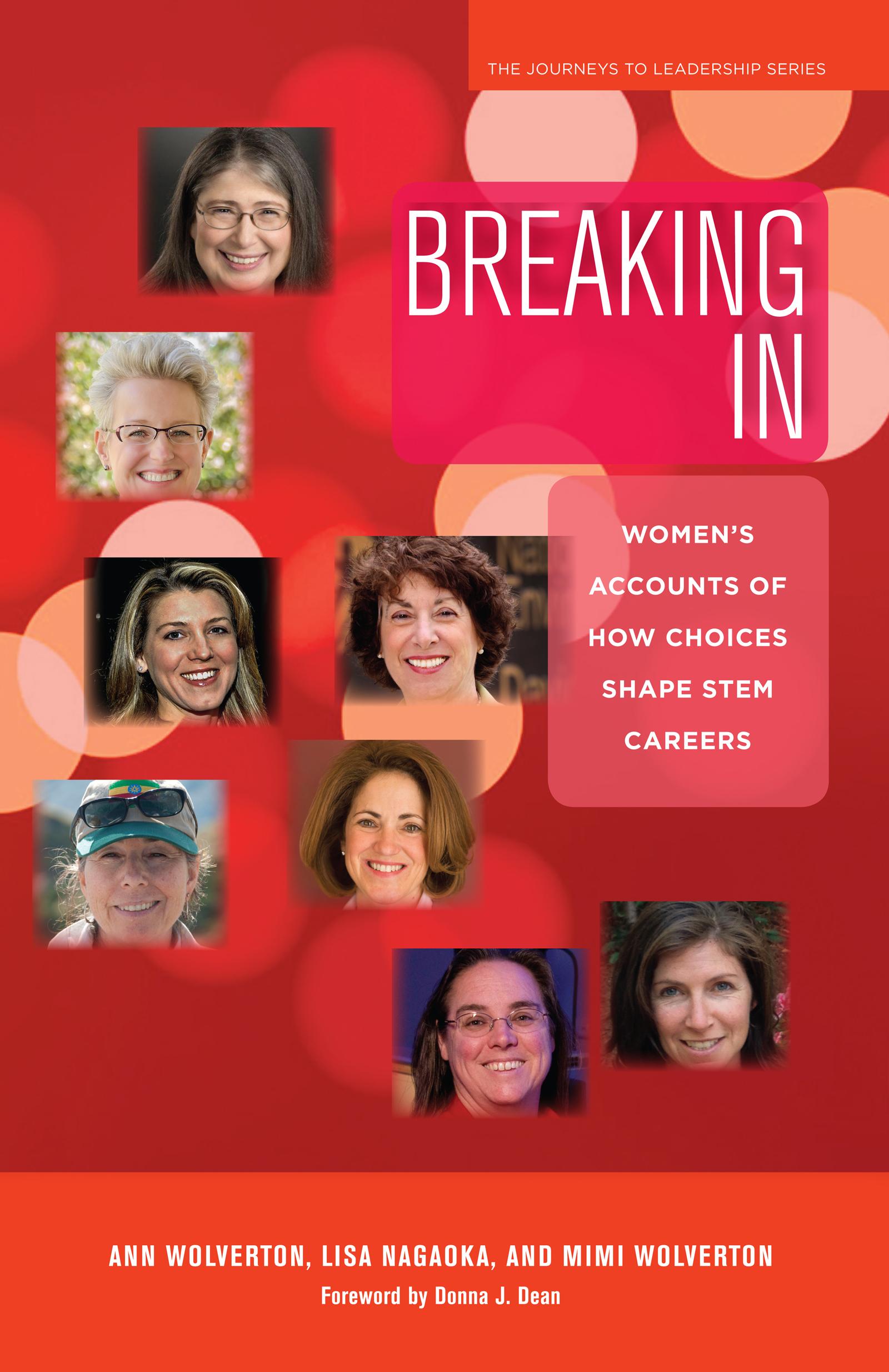
Why is it that, while women in the United States have generally made great strides in establishing parity with their male counterparts in educational attainment, they remain substantially underrepresented in the fields of science, technology, engineering, and mathematics (STEM)? Why is it that, in proportion to the PhDs they obtain in STEM, they attain fewer administrative and managerial positions in academia and industry than their numbers warrant and, moreover, are more likely leave the field once started in their careers? In the culture and context of women’s advancement and satisfaction with careers in STEM, the data show that many challenges and obstacles remain.By showcasing the stories of eight women scientists who have achieved successful careers in the academy, industry and government, Breaking In offers vivid insights into the challenges and barriers that women face in entering STEM while also describing these women’s motivations, the choices they made along their paths, and the intellectual satisfactions and excitement of scientific discovery they derive from their work.Breaking In underscores issues aspiring women scientists will encounter on their journeys and what they can do to forestall potential obstacles, advocate for change, and fulfill their ambitions. And it speaks to the question: What can be done to encourage more women to specialize in science, mathematics, and engineering? In doctoral granting institutions, where women must start if they hope to earn advanced degrees, Breaking In can serve both as a student text and as guide for department chairs and deans who are concerned about organizational climate and culture and their impact on retention in STEM fields. At a broader level, this book offers advice and inspiration to women contemplating entering STEM fields, as well to the teachers, researchers, and administrators responsible for nurturing these women, growing enrollments in their disciplines, and developing creative and intellectual capital that the nation needs to compete in the global marketplace.
Before Memmo my notes were scattered across PDFs. Now a workspace pulls everything into one place — I see exactly what's still left to study.
Memmo's summaries are gold before exams. I don't have to re-read 800 pages two weeks before — just the important parts.
The AI chat has saved me the night before an exam more than once. I just keep asking until I get it — no waiting on a study group to reply.
The quizzes hit exactly what I need to know. Memmo tracks what I get stuck on — so I only practice what's worth it.
Flashcards with spaced repetition are magic. Memmo knows when I'm about to forget something and brings it back.
The AI podcasts are my favorite. I listen on my way to school and get a recap without sitting at a computer.

Handbok i kvalitativa metoder
281 kr

Hållbar utveckling: en introduktion för ingenjörer och andra problemlösare
334 kr

Brymans Samhällsvetenskapliga metoder
390 kr

Projektledning
491 kr

Den orättvisa hälsan: om socioekonomiska skillnader i hälsa och livslängd
326 kr

Organizational Leadership
429 kr

Vetenskapsteori för nybörjare
196 kr

På väg mot läraryrket
172 kr

Det sociala livet i skolan: Socialpsykologiska perspektiv
253 kr

Betygsättningens didaktik
151 kr

Personality
402 kr

Studying Leadership
404 kr

Managing Innovation
477 kr

Introduktion till samhällsvetenskaplig metod
347 kr

The Psychology of Sex and Gender
698 kr

Evidens och kunskap för socialt arbete
207 kr

Introduction to Leadership
605 kr