
Before Memmo my notes were scattered across PDFs. Now a workspace pulls everything into one place — I see exactly what's still left to study.
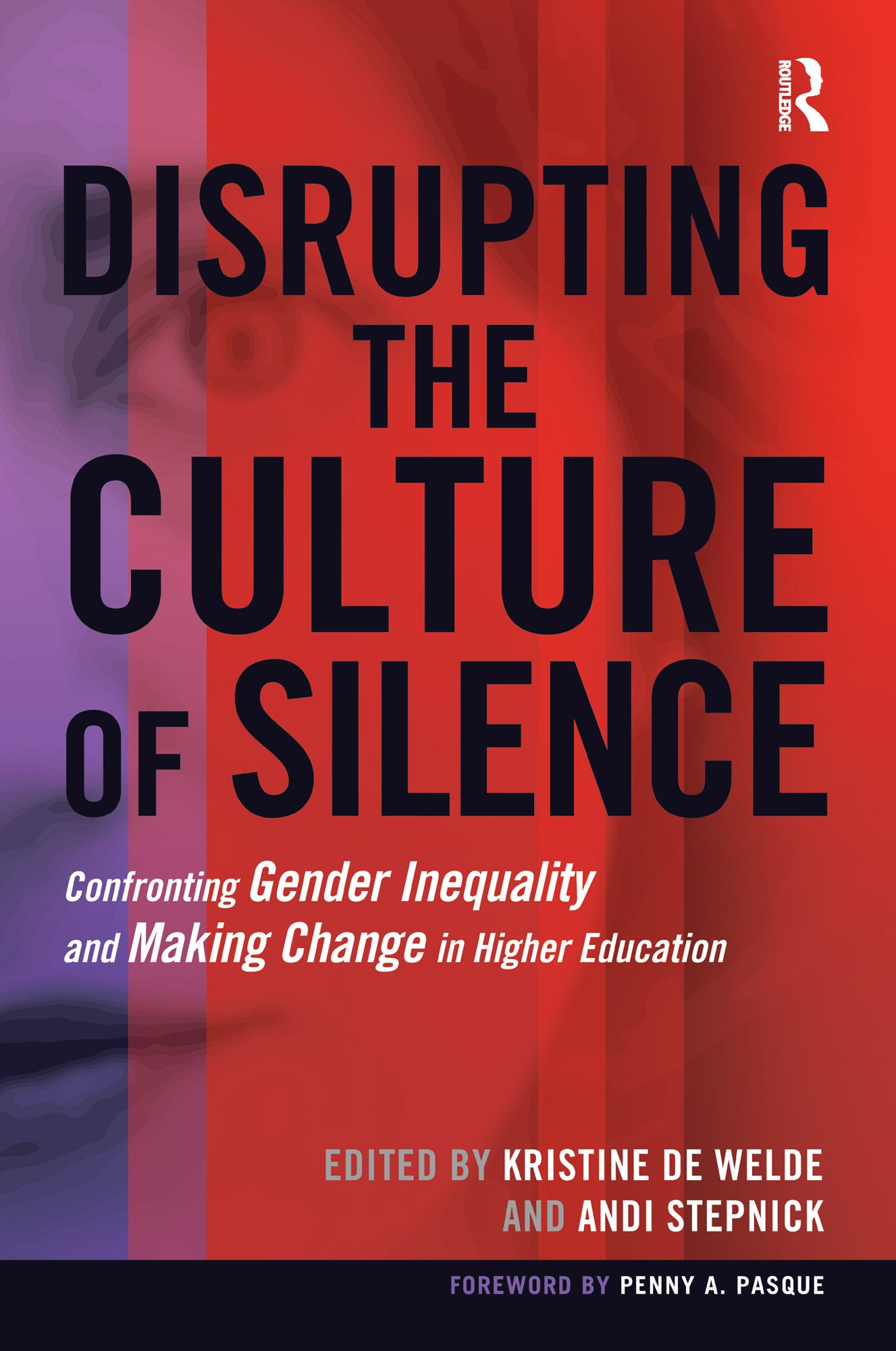
CHOICE 2015 Outstanding Academic TitleWhat do women academics classify as challenging, inequitable, or “hostile” work environments and experiences? How do these vary by women’s race/ethnicity, rank, sexual orientation, or other social locations?How do academic cultures and organizational structures work independently and in tandem to foster or challenge such work climates?What actions can institutions and individuals–independently and collectively–take toward equity in the academy?Despite tremendous progress toward gender equality and equity in institutions of higher education, deep patterns of discrimination against women in the academy persist. From the “chilly climate” to the “old boys’ club,” women academics must navigate structures and cultures that continue to marginalize, penalize, and undermine their success.This book is a “tool kit” for advancing greater gender equality and equity in higher education. It presents the latest research on issues of concern to them, and to anyone interested in a more equitable academy. It documents the challenging, sometimes hostile experiences of women academics through feminist analysis of qualitative and quantitative data, including narratives from women of different races and ethnicities across disciplines, ranks, and university types. The contributors’ research draws upon the experiences of women academics including those with under-examined identities such as lesbian, feminist, married or unmarried, and contingent faculty. And, it offers new perspectives on persistent issues such as family policies, pay and promotion inequalities, and disproportionate service burdens. The editors provide case studies of women who have encountered antagonistic workplaces, and offer action steps, best practices, and more than 100 online resources for individuals navigating similar situations. Beyond women in academe, this book is for their allies and for administrators interested in changing the climates, cultures, and policies that allow gender inequality to exist on their campuses, and to researchers/scholars investigating these phenomena. It aims to disrupt complacency amongst those who claim that things are “better” or “good enough” and to provide readers with strategies and resources to counter barriers created by culture, climate, or institutional structures.
Before Memmo my notes were scattered across PDFs. Now a workspace pulls everything into one place — I see exactly what's still left to study.
Memmo's summaries are gold before exams. I don't have to re-read 800 pages two weeks before — just the important parts.
The AI chat has saved me the night before an exam more than once. I just keep asking until I get it — no waiting on a study group to reply.
The quizzes hit exactly what I need to know. Memmo tracks what I get stuck on — so I only practice what's worth it.
Flashcards with spaced repetition are magic. Memmo knows when I'm about to forget something and brings it back.
The AI podcasts are my favorite. I listen on my way to school and get a recap without sitting at a computer.

Handbok i kvalitativa metoder
281 kr

Hållbar utveckling: en introduktion för ingenjörer och andra problemlösare
334 kr

Brymans Samhällsvetenskapliga metoder
390 kr

Projektledning
491 kr

Den orättvisa hälsan: om socioekonomiska skillnader i hälsa och livslängd
326 kr

Vetenskapsteori för nybörjare
196 kr

Organizational Leadership
429 kr

På väg mot läraryrket
172 kr

Det sociala livet i skolan: Socialpsykologiska perspektiv
253 kr

Betygsättningens didaktik
151 kr

Personality
402 kr

Studying Leadership
404 kr

Managing Innovation
477 kr

Introduktion till samhällsvetenskaplig metod
347 kr

The Psychology of Sex and Gender
698 kr

Evidens och kunskap för socialt arbete
207 kr

Introduction to Leadership
605 kr