
Before Memmo my notes were scattered across PDFs. Now a workspace pulls everything into one place — I see exactly what's still left to study.
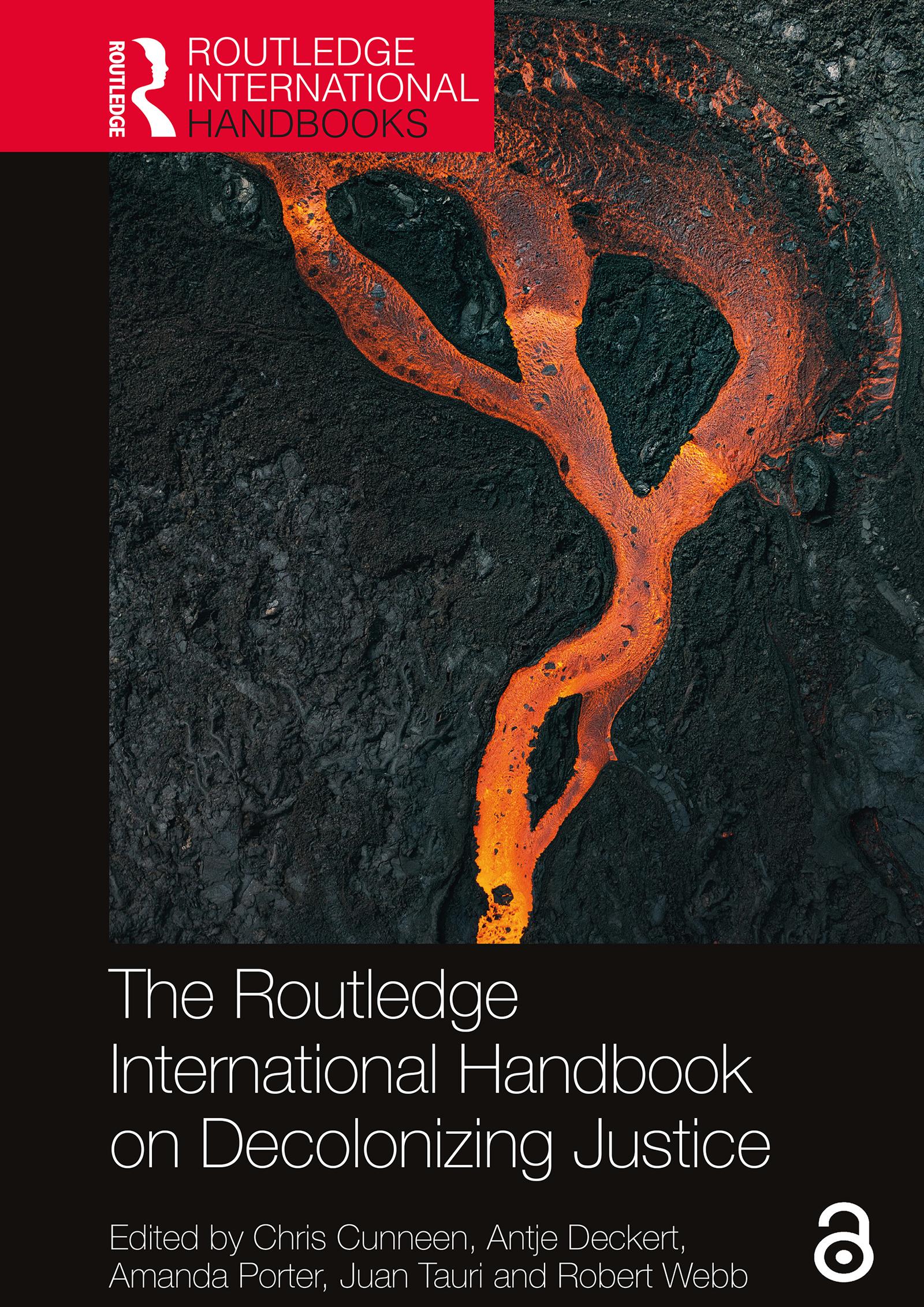
The Routledge International Handbook on Decolonizing Justice focuses on the growing worldwide movement aimed at decolonizing state policies and practices, and various disciplinary knowledges including criminology, social work and law. The collection of original chapters brings together cutting-edge, politically engaged work from a diverse group of writers who take as a starting point an analysis founded in a decolonizing, decolonial and/or Indigenous standpoint. Centering the perspectives of Black, First Nations and other racialized and minoritized peoples, the book makes an internationally significant contribution to the literature.
The chapters include analyses of specific decolonization policies and interventions instigated by communities to enhance jurisdictional self-determination; theoretical approaches to decolonization; the importance of research and research ethics as a key foundation of the decolonization process; crucial contemporary issues including deaths in custody, state crime, reparations, and transitional justice; and critical analysis of key institutions of control, including police, courts, corrections, child protection systems and other forms of carcerality.
The handbook is divided into five sections which reflect the breadth of the decolonizing literature:
• Why decolonization? From the personal to the global
• State terror and violence
• Abolishing the carceral
• Transforming and decolonizing justice
• Disrupting epistemic violence
This book offers a comprehensive and timely resource for activists, students, academics, and those with an interest in Indigenous studies, decolonial and post-colonial studies, criminal legal institutions and criminology. It provides critical commentary and analyses of the major issues for enhancing social justice internationally.
The Open Access version of this book, available at www.taylorfrancis.com, has been made available under a Creative Commons Attribution-Non Commercial-No Derivatives 4.0 license.
Before Memmo my notes were scattered across PDFs. Now a workspace pulls everything into one place — I see exactly what's still left to study.
Memmo's summaries are gold before exams. I don't have to re-read 800 pages two weeks before — just the important parts.
The AI chat has saved me the night before an exam more than once. I just keep asking until I get it — no waiting on a study group to reply.
The quizzes hit exactly what I need to know. Memmo tracks what I get stuck on — so I only practice what's worth it.
Flashcards with spaced repetition are magic. Memmo knows when I'm about to forget something and brings it back.
The AI podcasts are my favorite. I listen on my way to school and get a recap without sitting at a computer.

Handbok i kvalitativa metoder
281 kr

Hållbar utveckling: en introduktion för ingenjörer och andra problemlösare
334 kr

Brymans Samhällsvetenskapliga metoder
390 kr

Projektledning
491 kr

Den orättvisa hälsan: om socioekonomiska skillnader i hälsa och livslängd
326 kr

Vetenskapsteori för nybörjare
196 kr

Organizational Leadership
429 kr

På väg mot läraryrket
172 kr

Det sociala livet i skolan: Socialpsykologiska perspektiv
253 kr

Betygsättningens didaktik
151 kr

Personality
402 kr

Studying Leadership
404 kr

Managing Innovation
477 kr

Introduktion till samhällsvetenskaplig metod
347 kr

The Psychology of Sex and Gender
698 kr

Evidens och kunskap för socialt arbete
207 kr

Introduction to Leadership
605 kr