
Before Memmo my notes were scattered across PDFs. Now a workspace pulls everything into one place — I see exactly what's still left to study.
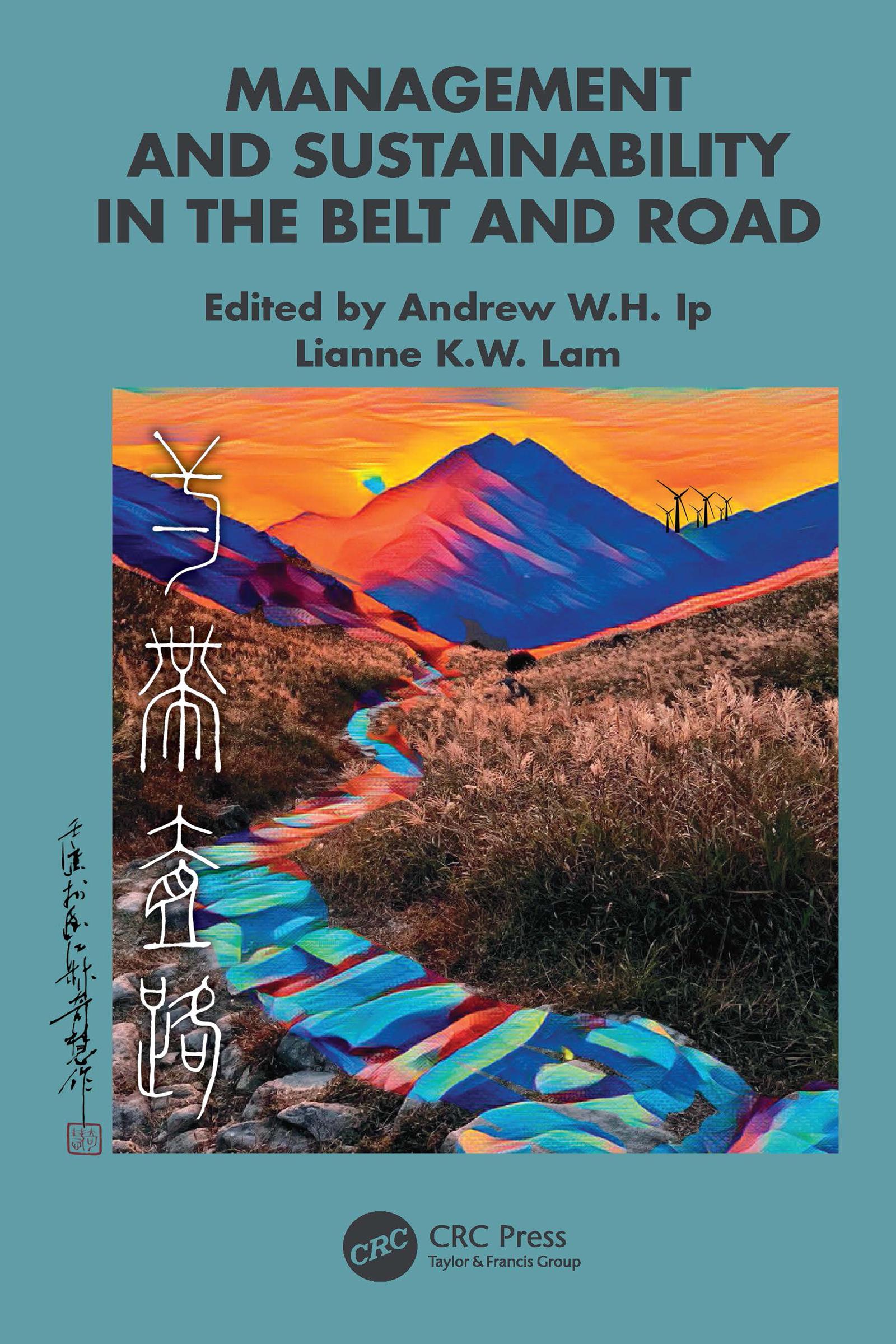
China’s Belt and Road Initiatives (BRI) is an ambitious infrastructure project conceived in 2013 by President Xi Jinping with development and investment initiatives stretching from Asia and Europe that reflect the original Silk Road with business networks through countries such as Afghanistan, Kazakhstan, Kyrgyzstan, Tajikistan, Turkmenistan, and Uzbekistan, as well as India and Pakistan, spanning a route of more than 4,000 miles and history that can be dated back more than 2,200 years.
Given the background of China’s unique approach in fighting COVID-19, and against the backdrop of sluggish economic growth, innovation, and management, sustainable development of BRI will be the key and the driving force for the post-pandemic economic recovery of many countries, especially as BRI countries now account for nearly 30% of China’s foreign trade and 15% of outward direct investment.
The vision to create a vast network of railways, energy pipelines, highways, and streamlined border crossings to expand the international use of Chinese currency and improve connectivity to China is good foresight and proved fortuitous when the COVID-19 pandemic came to plague the world, and amid the conflicts between the United States and China as well as the war between Russia and Ukraine.
Since the inception of BRI, many books have been written to cover topics ranging from globalization to detailing how China’s business and politics are a major motivation for China’s overseas economic activities with case studies and practices, yet few of these books provide a structured approach to the sustainable management of BRI projects. This book is about how to manage the innovation, sustainability, and business necessary to make BRI work and how to handle the issues, problems, and crises that may arise in the process. Participants of BRI projects can take on many different roles, but ultimately, it is team effort and leadership that creates successful projects. Here, readers will find guidelines and insights to survive and prosper in a myriad of BRI opportunities and risks. Most important of all, this book provides a glimpse of different approaches for success in BRI projects, including sustainability, environmental issues, social and political aspects, technology, choice of industry, project management, education and training, governance, and many more.
Before Memmo my notes were scattered across PDFs. Now a workspace pulls everything into one place — I see exactly what's still left to study.
Memmo's summaries are gold before exams. I don't have to re-read 800 pages two weeks before — just the important parts.
The AI chat has saved me the night before an exam more than once. I just keep asking until I get it — no waiting on a study group to reply.
The quizzes hit exactly what I need to know. Memmo tracks what I get stuck on — so I only practice what's worth it.
Flashcards with spaced repetition are magic. Memmo knows when I'm about to forget something and brings it back.
The AI podcasts are my favorite. I listen on my way to school and get a recap without sitting at a computer.

Handbok i kvalitativa metoder
281 kr

Hållbar utveckling: en introduktion för ingenjörer och andra problemlösare
334 kr

Brymans Samhällsvetenskapliga metoder
390 kr

Projektledning
491 kr

Den orättvisa hälsan: om socioekonomiska skillnader i hälsa och livslängd
326 kr

Vetenskapsteori för nybörjare
196 kr

Organizational Leadership
429 kr

På väg mot läraryrket
172 kr

Det sociala livet i skolan: Socialpsykologiska perspektiv
253 kr

Betygsättningens didaktik
151 kr

Personality
402 kr

Studying Leadership
404 kr

Managing Innovation
477 kr

Introduktion till samhällsvetenskaplig metod
347 kr

The Psychology of Sex and Gender
698 kr

Evidens och kunskap för socialt arbete
207 kr

Introduction to Leadership
605 kr