
Before Memmo my notes were scattered across PDFs. Now a workspace pulls everything into one place — I see exactly what's still left to study.
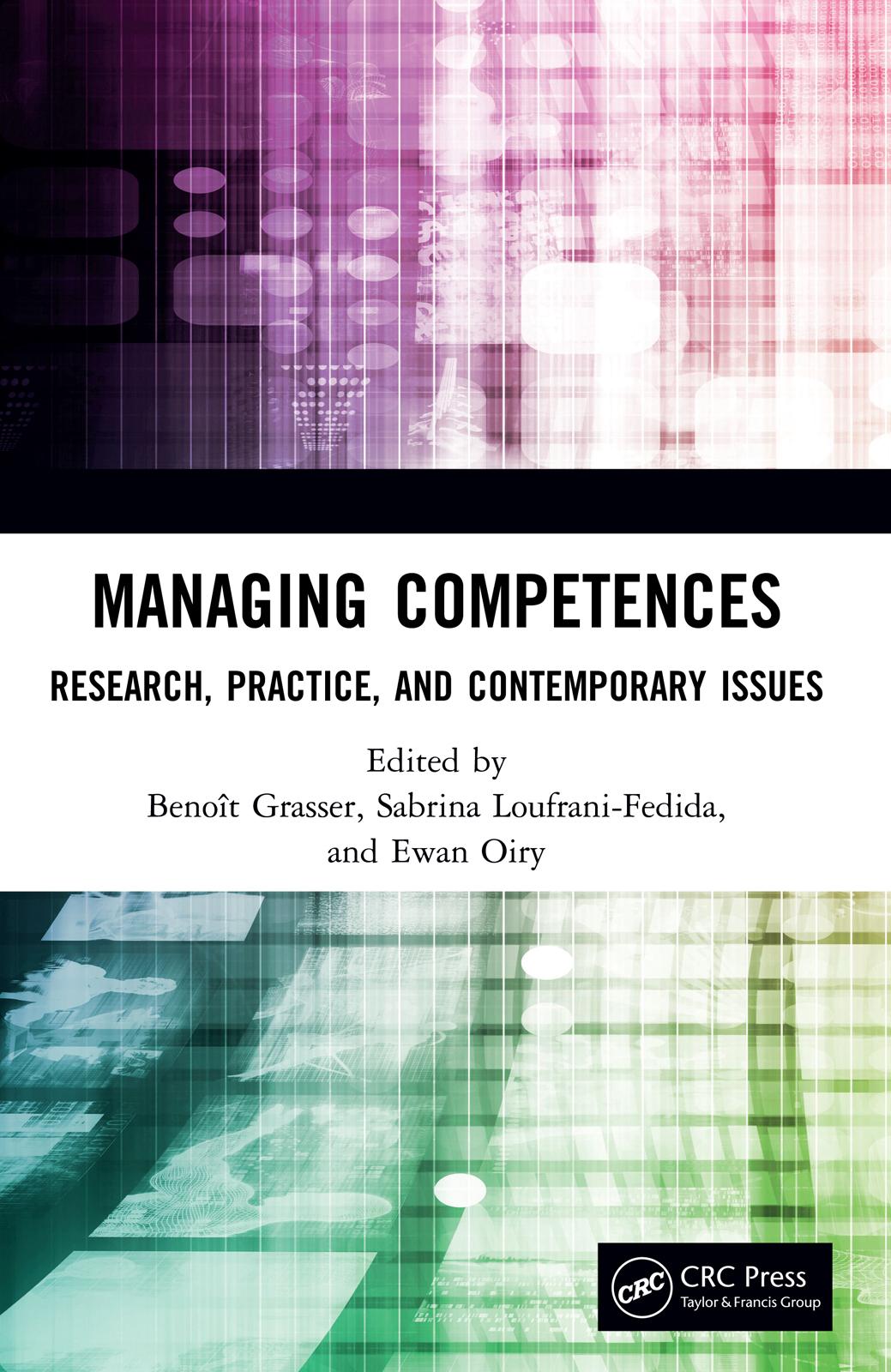
Managing Competences: Research, Practice, and Contemporary Issues draws together theoretical and practical research in competence management. It provides a wealth of knowledge concerning emerging and contemporary issues, such as the multilevel approach to competence, the development of collective competence, the strategies of competence management, and the tools for managing competences as well as the organizational dynamics of competences. Moreover, the book provides a critical approach to research and practitioners’ continued engagement in competence management research and practice.
Research in competence management has more recently entered an era more open to doubt and questioning: Is there a solid theoretical foundation that supports the concept of competence? What is the contribution of research on employees’ competences to human resources management in particular, and more generally to management? Is there not a risk of diluting the concept of competence by considering it at the individual, collective, organizational, and strategic levels? Today, is it still possible to manage competences in a world where the boundaries of the organizations are more and more porous? These questions, and many others, probably explain why a field that seemed well-identified and well-structured yesterday, has given way today to new, highly diverse analyses of competences by researchers and practitioners.
This contributed volume seeks to answer these pressing issues and is a collective means for responding to them. The book brings together multiple streams of research in the field about emerging and contemporary issues, including multidimensional HRM systems, the rise of forms of collaborative management, the intensification of the use of digital and robotic technologies, the rise of the regime of remote and networked operations, the increasing heterogeneity of the status of workers, and changes in regulations concerning work and its recognition.
Before Memmo my notes were scattered across PDFs. Now a workspace pulls everything into one place — I see exactly what's still left to study.
Memmo's summaries are gold before exams. I don't have to re-read 800 pages two weeks before — just the important parts.
The AI chat has saved me the night before an exam more than once. I just keep asking until I get it — no waiting on a study group to reply.
The quizzes hit exactly what I need to know. Memmo tracks what I get stuck on — so I only practice what's worth it.
Flashcards with spaced repetition are magic. Memmo knows when I'm about to forget something and brings it back.
The AI podcasts are my favorite. I listen on my way to school and get a recap without sitting at a computer.

Handbok i kvalitativa metoder
281 kr

Hållbar utveckling: en introduktion för ingenjörer och andra problemlösare
334 kr

Brymans Samhällsvetenskapliga metoder
390 kr

Projektledning
491 kr

Den orättvisa hälsan: om socioekonomiska skillnader i hälsa och livslängd
326 kr

Organizational Leadership
429 kr

Vetenskapsteori för nybörjare
196 kr

På väg mot läraryrket
172 kr

Det sociala livet i skolan: Socialpsykologiska perspektiv
253 kr

Betygsättningens didaktik
151 kr

Personality
402 kr

Studying Leadership
404 kr

Managing Innovation
477 kr

Introduktion till samhällsvetenskaplig metod
347 kr

The Psychology of Sex and Gender
698 kr

Evidens och kunskap för socialt arbete
207 kr

Introduction to Leadership
605 kr