
Before Memmo my notes were scattered across PDFs. Now a workspace pulls everything into one place — I see exactly what's still left to study.
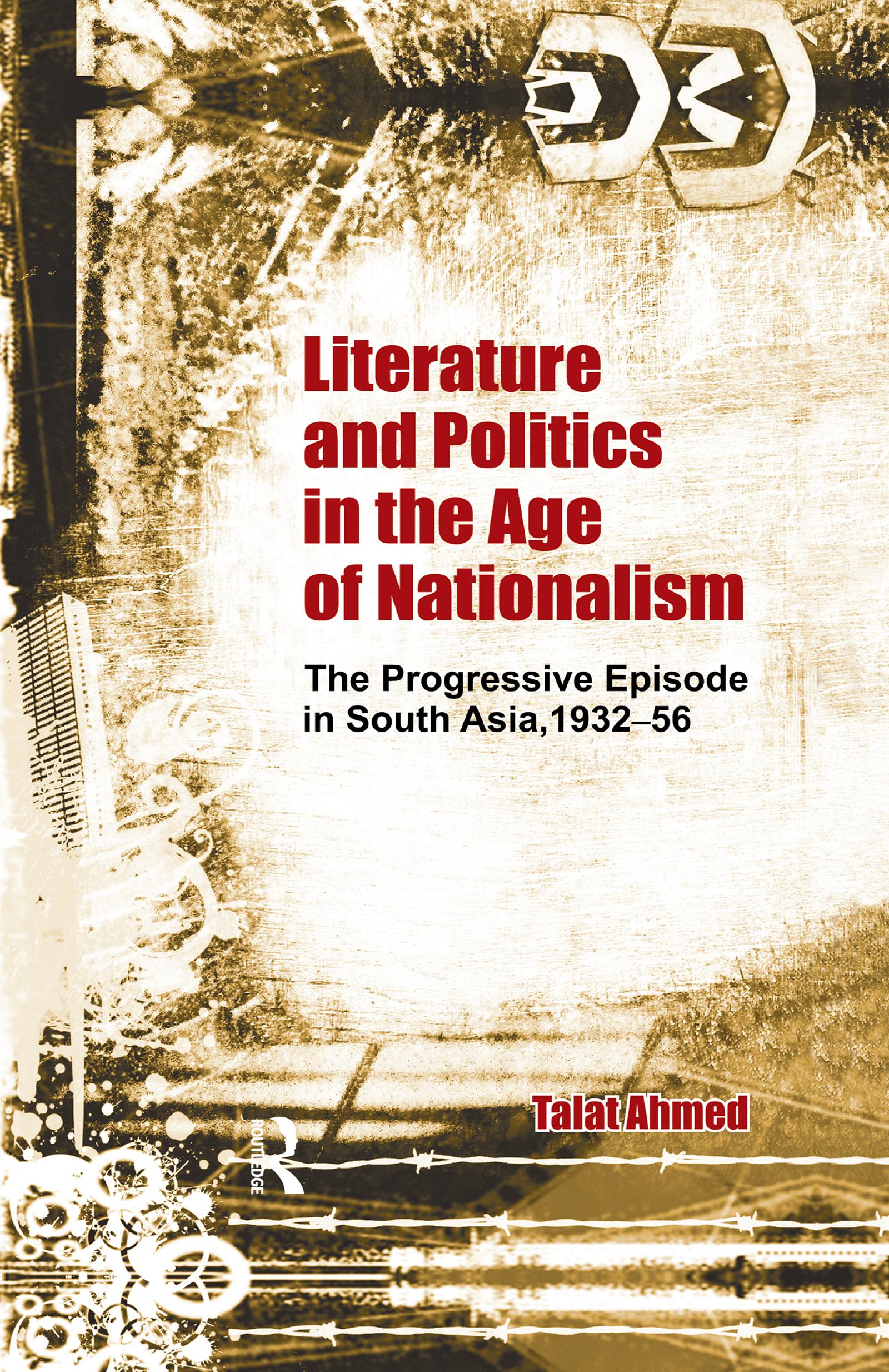
This book aims to provide a historical account of the All-India Progressive Writers’ Association (AIPWA). In a structured narrative, it focuses on the political processes inside India, events and circumstances in South Asia and the debates and literary movements in Europe and the United States to demonstrate how the literary project was specifically informed by literary-political movements. It explores the theorisation of literature and politics that informed progressive writing and argues that the progressive conception of literature, art and politics was closer to the theorisation of two thinkers of whom the writers themselves knew very little – Leon Trotsky and Antonio Gramsci.
The book charts the progressive movement’s extension into the cultural arena through the Indian People’s Theatre Association (IPTA) and the deepening of its nation-wide character through a progressive nationalism instilled with left-wing ideology. One of the important aims of the AIPWA project was to advance the development of a popular vernacular based on the demotic language of north India – Hindustani. The book locates this issue within the broader nationalist discussion on the national language. Contrary to what is implied by much of the previous scholarship, the book argues that the progressive movement did survive the ravages of partition and that the progressives maintained organisations in both India and Pakistan. It looks at the short-lived but very colourful history of the PWA in Pakistan, using PWA documents, government records and personal testimonies.
Arguing that literary output and cultural production cannot be understood, let alone interpreted, outside the context of the nationalist movement, war, independence and partition, the book presents a narrative that necessarily transcends disciplinary boundaries between literature, politics and history. Supplemented with literary and archival sources and oral testimonies from the members of the movement, it pr
Before Memmo my notes were scattered across PDFs. Now a workspace pulls everything into one place — I see exactly what's still left to study.
Memmo's summaries are gold before exams. I don't have to re-read 800 pages two weeks before — just the important parts.
The AI chat has saved me the night before an exam more than once. I just keep asking until I get it — no waiting on a study group to reply.
The quizzes hit exactly what I need to know. Memmo tracks what I get stuck on — so I only practice what's worth it.
Flashcards with spaced repetition are magic. Memmo knows when I'm about to forget something and brings it back.
The AI podcasts are my favorite. I listen on my way to school and get a recap without sitting at a computer.

Handbok i kvalitativa metoder
281 kr

Hållbar utveckling: en introduktion för ingenjörer och andra problemlösare
334 kr

Brymans Samhällsvetenskapliga metoder
390 kr

Projektledning
491 kr

Den orättvisa hälsan: om socioekonomiska skillnader i hälsa och livslängd
326 kr

Vetenskapsteori för nybörjare
196 kr

Organizational Leadership
429 kr

På väg mot läraryrket
172 kr

Det sociala livet i skolan: Socialpsykologiska perspektiv
253 kr

Betygsättningens didaktik
151 kr

Personality
402 kr

Studying Leadership
404 kr

Managing Innovation
477 kr

Introduktion till samhällsvetenskaplig metod
347 kr

The Psychology of Sex and Gender
698 kr

Evidens och kunskap för socialt arbete
207 kr

Introduction to Leadership
605 kr