
Before Memmo my notes were scattered across PDFs. Now a workspace pulls everything into one place — I see exactly what's still left to study.
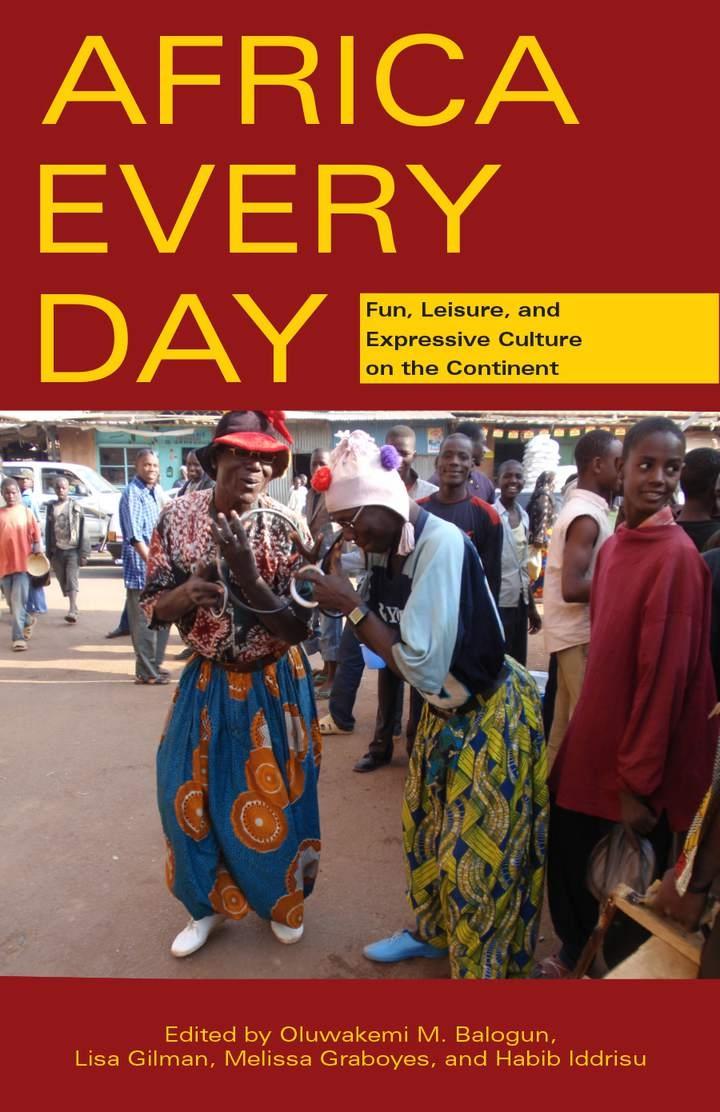
Africa Every Day presents an exuberant, thoughtful, and necessary counterpoint to the prevailing emphasis in introductory African studies classes on war, poverty, corruption, disease, and human rights violations on the continent. These challenges are real and deserve sustained attention, but this volume shows that adverse conditions do not prevent people from making music, falling in love, playing sports, participating in festivals, writing blogs, telling jokes, making videos, playing games, eating delicious food, and finding pleasure in their daily lives.
Across seven sections—Celebrations and Rites of Passage; Socializing and Friendship; Love, Sex, and Marriage; Sports and Recreation; Performance, Language, and Creativity; Technology and Media; and Labor and Livelihoods—the accessible, multidisciplinary essays in Africa Every Day address these creative and dynamic elements of daily life, without romanticizing them. Ultimately, the book shows that forms of leisure and popular culture in Africa are best discussed in terms of indigenization, adaptation, and appropriation rather than the static binary of European/foreign/global and African. Most of all, it invites readers to reflect on the crucial similarities, rather than the differences, between their lives and those of their African counterparts.
Contributors: Hadeer Aboelnagah, Issahaku Adam, Joseph Osuolale Ayodokun, Victoria Abiola Ayodokun, Omotoyosi Babalola, Martha Bannikov, Mokaya Bosire, Emily Callaci, Deborah Durham, Birgit Englert, Laura Fair, John Fenn, Lara Rosenoff Gauvin, Michael Gennaro, Lisa Gilman, Charlotte Grabli, Joshua Grace, Dorothy L. Hodgson, Akwasi Kumi-Kyereme, Prince F. M. Lamba, Cheikh Tidiane Lo, Bill McCoy, Nginjai Paul Moreto, Jacqueline-Bethel Tchouta Mougoué, James Nindi, Erin Nourse, Eric Debrah Otchere, Alex Perullo, Daniel Jordan Smith, Maya Smith, Steven Van Wolputte, and Scott M. Youngstedt.
Before Memmo my notes were scattered across PDFs. Now a workspace pulls everything into one place — I see exactly what's still left to study.
Memmo's summaries are gold before exams. I don't have to re-read 800 pages two weeks before — just the important parts.
The AI chat has saved me the night before an exam more than once. I just keep asking until I get it — no waiting on a study group to reply.
The quizzes hit exactly what I need to know. Memmo tracks what I get stuck on — so I only practice what's worth it.
Flashcards with spaced repetition are magic. Memmo knows when I'm about to forget something and brings it back.
The AI podcasts are my favorite. I listen on my way to school and get a recap without sitting at a computer.

Handbok i kvalitativa metoder
281 kr

Hållbar utveckling: en introduktion för ingenjörer och andra problemlösare
334 kr

Brymans Samhällsvetenskapliga metoder
390 kr

Projektledning
491 kr

Den orättvisa hälsan: om socioekonomiska skillnader i hälsa och livslängd
326 kr

Organizational Leadership
429 kr

Vetenskapsteori för nybörjare
196 kr

På väg mot läraryrket
172 kr

Det sociala livet i skolan: Socialpsykologiska perspektiv
253 kr

Betygsättningens didaktik
151 kr

Personality
402 kr

Studying Leadership
404 kr

Managing Innovation
477 kr

Introduktion till samhällsvetenskaplig metod
347 kr

The Psychology of Sex and Gender
698 kr

Evidens och kunskap för socialt arbete
207 kr

Introduction to Leadership
605 kr