
Before Memmo my notes were scattered across PDFs. Now a workspace pulls everything into one place — I see exactly what's still left to study.
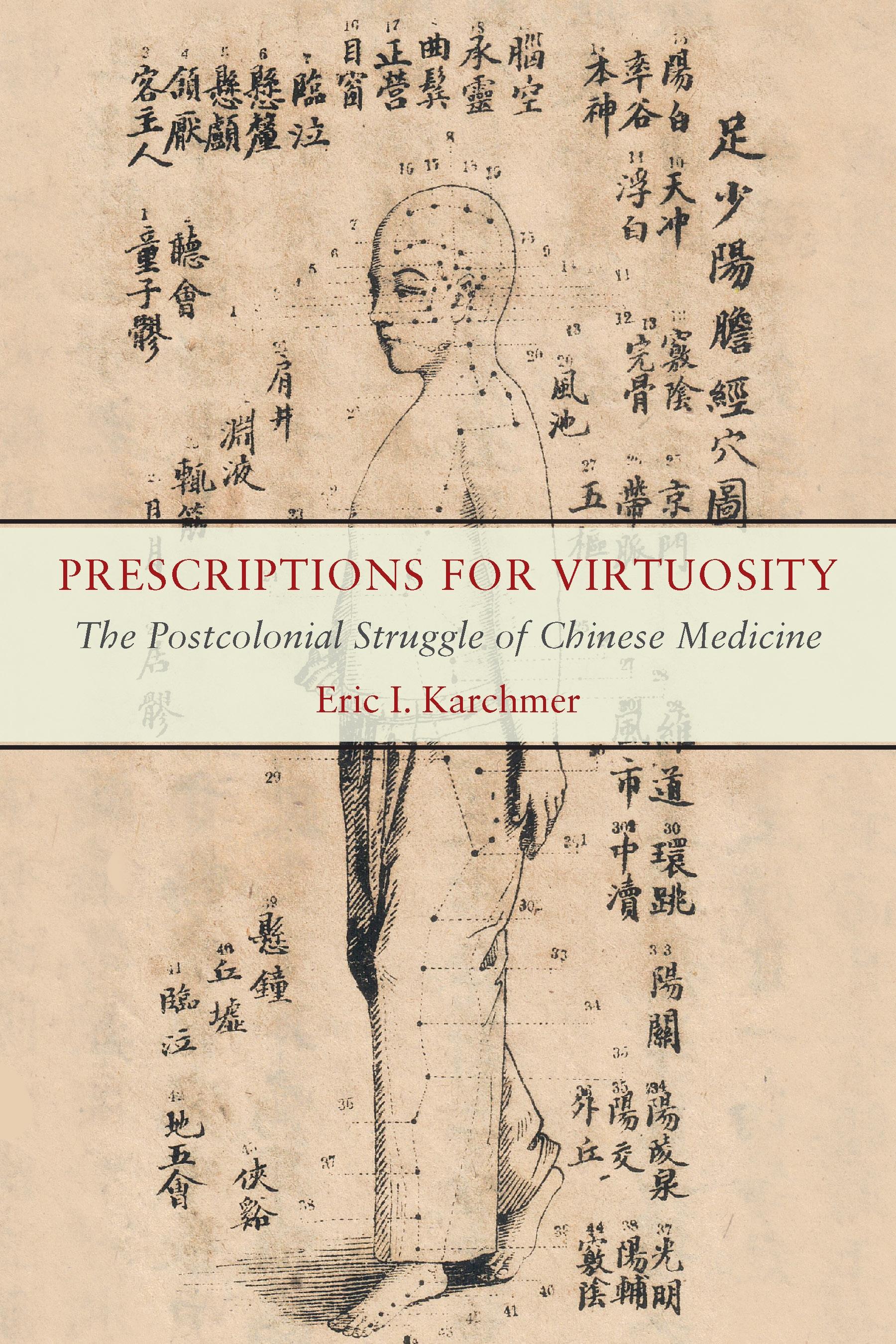
Although Chinese medicine is assumed to be a timeless healing tradition, the encounter with modern biomedicine threatened its very existence and led to many radical changes. Prescriptions for Virtuosity tells the story of how doctors of Chinese medicine have responded to the global dominance of biomedicine and developed new forms of virtuosity to keep their clinical practice relevant in contemporary Chinese society.
Based on extensive ethnographic and historical research, the book documents the strategies of Chinese medicine doctors to navigate postcolonial power inequalities. Doctors have followed two seemingly contradictory courses of action. First, they have emphasized the unique “Chinese” characteristics of their practice, defining them against the perceived strengths of biomedicine, and producing an ontological divide between the two medical systems. These oppositions have inadvertently marginalized Chinese medicine, making it seem appropriate for clinical use only when biomedical solutions are lacking. Second, doctors have found points of convergence to facilitate the blending of the two medical practices, producing innovative solutions to difficult clinical problems.
Prescriptions for Virtuosity examines how the postcolonial condition can generate not only domination but hybridity. Karchmer shows, for example, how the clinical methodology of “pattern discrimination and treatment determination” bianzheng lunzhi, which is today celebrated as the quintessential characteristic of Chinese medicine, is a twentieth-century invention. When subjected to the institutional standardizations of hospital practice, bianzheng lunzhi can lead to an impoverished form of medicine. But in the hands of a virtuoso physicians, it becomes a dynamic tool for moving between biomedicine and Chinese medicine to create innovative new therapies.
Before Memmo my notes were scattered across PDFs. Now a workspace pulls everything into one place — I see exactly what's still left to study.
Memmo's summaries are gold before exams. I don't have to re-read 800 pages two weeks before — just the important parts.
The AI chat has saved me the night before an exam more than once. I just keep asking until I get it — no waiting on a study group to reply.
The quizzes hit exactly what I need to know. Memmo tracks what I get stuck on — so I only practice what's worth it.
Flashcards with spaced repetition are magic. Memmo knows when I'm about to forget something and brings it back.
The AI podcasts are my favorite. I listen on my way to school and get a recap without sitting at a computer.

Handbok i kvalitativa metoder
281 kr

Hållbar utveckling: en introduktion för ingenjörer och andra problemlösare
334 kr

Brymans Samhällsvetenskapliga metoder
390 kr

Projektledning
491 kr

Den orättvisa hälsan: om socioekonomiska skillnader i hälsa och livslängd
326 kr

Vetenskapsteori för nybörjare
196 kr

Organizational Leadership
429 kr

På väg mot läraryrket
172 kr

Det sociala livet i skolan: Socialpsykologiska perspektiv
253 kr

Betygsättningens didaktik
151 kr

Personality
402 kr

Studying Leadership
404 kr

Managing Innovation
477 kr

Introduktion till samhällsvetenskaplig metod
347 kr

The Psychology of Sex and Gender
698 kr

Evidens och kunskap för socialt arbete
207 kr

Introduction to Leadership
605 kr