
Before Memmo my notes were scattered across PDFs. Now a workspace pulls everything into one place — I see exactly what's still left to study.
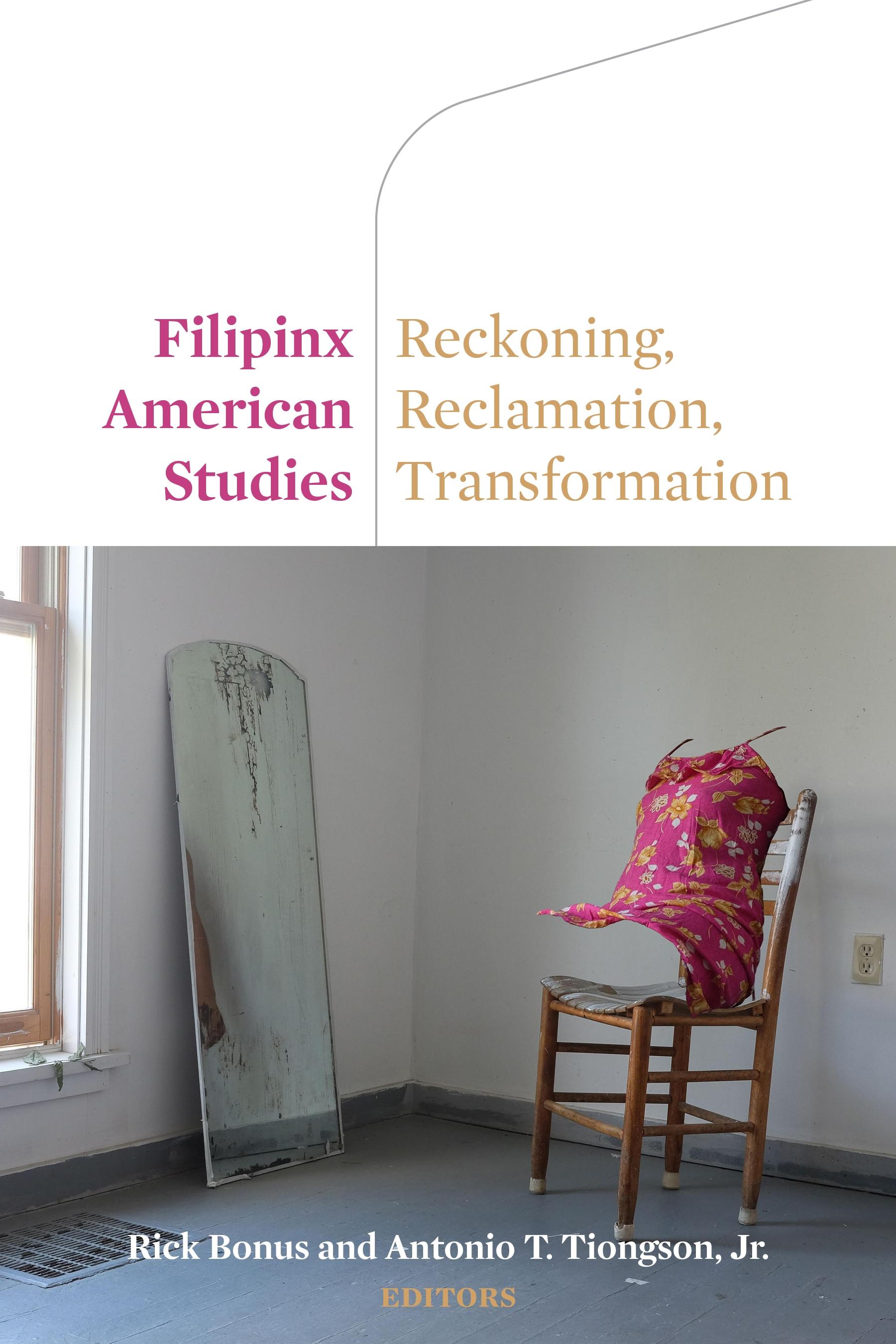
This volume spotlights the unique suitability and situatedness of Filipinx American studies both as a site for reckoning with the work of historicizing U.S. empire in all of its entanglements, as well as a location for reclaiming and theorizing the interlocking histories and contemporary trajectories of global capitalism, racism, sexism, and heteronormativity. It encompasses an interrogation of the foundational status of empire in the interdiscipline; modes of labor analysis and other forms of knowledge production; meaning-making in relation to language, identities, time, and space; the critical contours of Filipinx American schooling and political activism; the indispensability of relational thinking in Filipinx American studies; and the disruptive possibilities of Filipinx American formations. A catalogue of key resources and a selected list of scholarship are also provided.
Filipinx American Studies constitutes a coming-to-terms with not only the potentials and possibilities but also the disavowals, silences, and omissions that mark Filipinx American studies. It provides a reflective and critical space for thinking through the ways Filipinx American studies is uniquely and especially suited to the interrogation of the ongoing legacies of U.S. imperialism and the urgencies of the current period.
Contributors: Karin Aguilar-San Juan, Angelica J. Allen, Gina Apostol, Nerissa S. Balce, Joi Barrios-Leblanc, Victor Bascara, Jody Blanco, Alana Bock, Sony Coráñez Bolton, Lucy Mae San Pablo Burns, Richard T. Chu, Gary A. Colemnar, Kim Compoc, Denise Cruz, Reuben B. Deleon, Josen Masangkay Diaz, Robert Diaz, Kale Bantigue Fajardo, Theodore S. Gonzalves, Vernadette Vicuña Gonzalez, Anna Romina Guevara, Allan Punzalan Isaac, Martin F. Manalansan IV, Dina C. Maramba, Cynthia Marasigan, Edward Nadurata, JoAnna Poblete, Anthony Bayani Rodriguez, Dylan Rodríguez, Evelyn Ibatan Rodriguez, Robyn Magalit Rodriguez, J. A. Ruanto-Ramirez, Jeffrey Santa Ana, Dean Itsuji Saranillio, Michael Schulze-Oechtering, Sarita Echavez See, Roy B. Taggueg Jr.
Before Memmo my notes were scattered across PDFs. Now a workspace pulls everything into one place — I see exactly what's still left to study.
Memmo's summaries are gold before exams. I don't have to re-read 800 pages two weeks before — just the important parts.
The AI chat has saved me the night before an exam more than once. I just keep asking until I get it — no waiting on a study group to reply.
The quizzes hit exactly what I need to know. Memmo tracks what I get stuck on — so I only practice what's worth it.
Flashcards with spaced repetition are magic. Memmo knows when I'm about to forget something and brings it back.
The AI podcasts are my favorite. I listen on my way to school and get a recap without sitting at a computer.

Handbok i kvalitativa metoder
281 kr

Hållbar utveckling: en introduktion för ingenjörer och andra problemlösare
334 kr

Brymans Samhällsvetenskapliga metoder
390 kr

Projektledning
491 kr

Den orättvisa hälsan: om socioekonomiska skillnader i hälsa och livslängd
326 kr

Vetenskapsteori för nybörjare
196 kr

Organizational Leadership
429 kr

På väg mot läraryrket
172 kr

Det sociala livet i skolan: Socialpsykologiska perspektiv
253 kr

Betygsättningens didaktik
151 kr

Personality
402 kr

Studying Leadership
404 kr

Managing Innovation
477 kr

Introduktion till samhällsvetenskaplig metod
347 kr

The Psychology of Sex and Gender
698 kr

Evidens och kunskap för socialt arbete
207 kr

Introduction to Leadership
605 kr