
Before Memmo my notes were scattered across PDFs. Now a workspace pulls everything into one place — I see exactly what's still left to study.
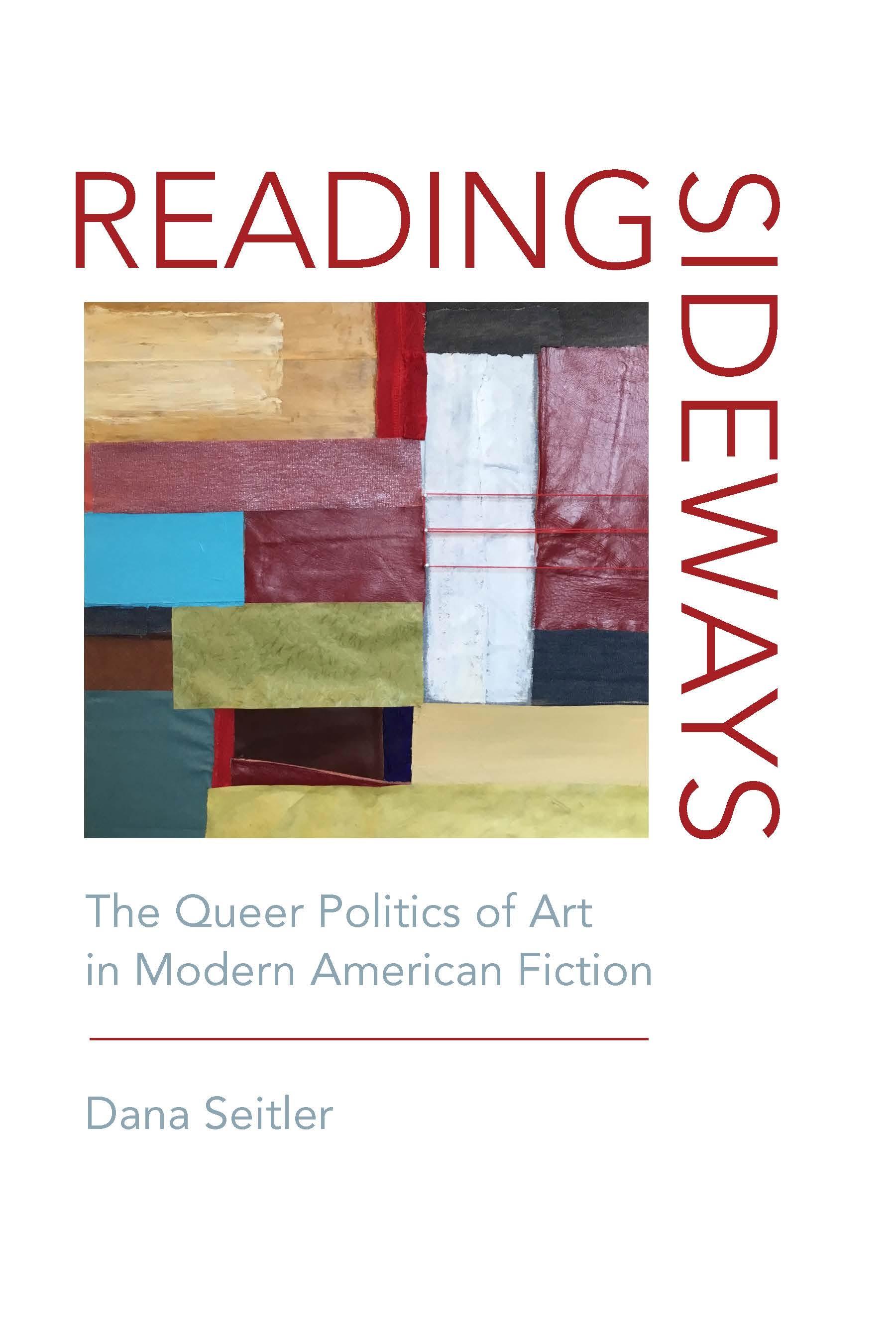
Reading Sideways explores the pivotal role that various art forms played in American literary fiction in direct relation to the politics of gender and sexuality in works of modern American literature. It tracks the crosswise circulation of aesthetic ideas in fiction and argues that at stake in the aesthetic turn of these works was not only the theorization of aesthetic experience but also an engagement with political arguments and debates about available modes of sociability and sexual expression. To track these engagements, its author, Dana Seitler, performs a method she calls “lateral reading,” a mode of interpretation that moves horizontally through various historical entanglements and across the fields of the arts to make sense of—and see in a new light—their connections, challenges, and productive frictions.
Each chapter takes a different art form as its object: sculpture, portraiture, homecraft, and opera. These art forms appear in some of the major works of literature of the period central to negotiations of gender, race, and sexuality, including those by Henry James, Davis, Willa Cather, Du Bois, Sarah Orne Jewett, and Mary Wilkins Freeman. But the literary texts that each chapter of this book takes as its motivation not only include a specific art form or object as central to its politics, they also build an alternative aesthetic vocabulary through which they seek to alter, challenge, or participate in the making of social and sexual life. By cultivating a counter-aesthetics of the unfinished, the uncertain, the small, the low, and the allusive, these fictions recognize other ways of knowing and being than those oriented toward reductively gendered accounts of beauty, classed imperatives established by the norms of taste, or apolitical treatises of sexual disinterestedness. And within them—and through “reading sideways”—we can witness the coming-into-legibility of a set of diffuse practices that provide a pivot point for engaging the political methods of minoritized subjects at the turn of the twentieth century.
Before Memmo my notes were scattered across PDFs. Now a workspace pulls everything into one place — I see exactly what's still left to study.
Memmo's summaries are gold before exams. I don't have to re-read 800 pages two weeks before — just the important parts.
The AI chat has saved me the night before an exam more than once. I just keep asking until I get it — no waiting on a study group to reply.
The quizzes hit exactly what I need to know. Memmo tracks what I get stuck on — so I only practice what's worth it.
Flashcards with spaced repetition are magic. Memmo knows when I'm about to forget something and brings it back.
The AI podcasts are my favorite. I listen on my way to school and get a recap without sitting at a computer.

Handbok i kvalitativa metoder
281 kr

Hållbar utveckling: en introduktion för ingenjörer och andra problemlösare
334 kr

Brymans Samhällsvetenskapliga metoder
390 kr

Projektledning
491 kr

Den orättvisa hälsan: om socioekonomiska skillnader i hälsa och livslängd
326 kr

Organizational Leadership
429 kr

Vetenskapsteori för nybörjare
196 kr

På väg mot läraryrket
172 kr

Det sociala livet i skolan: Socialpsykologiska perspektiv
253 kr

Betygsättningens didaktik
151 kr

Personality
402 kr

Studying Leadership
404 kr

Managing Innovation
477 kr

Introduktion till samhällsvetenskaplig metod
347 kr

The Psychology of Sex and Gender
698 kr

Evidens och kunskap för socialt arbete
207 kr

Introduction to Leadership
605 kr