
Before Memmo my notes were scattered across PDFs. Now a workspace pulls everything into one place — I see exactly what's still left to study.
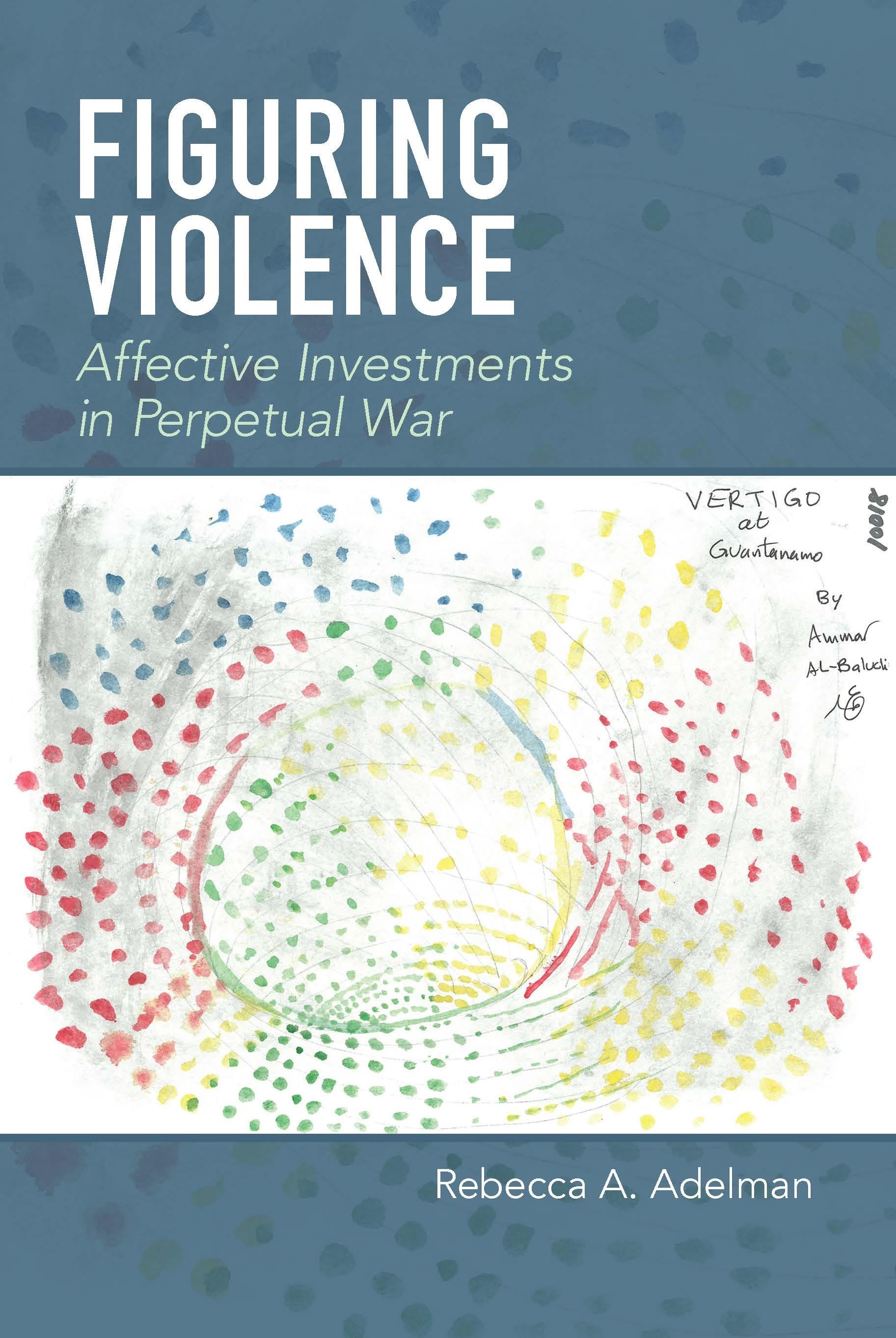
In the United States, the early years of the war on terror were marked by the primacy of affects like fear and insecurity. These aligned neatly with the state’s drive toward intensive securitization and an aggressive foreign policy. But for the broader citizenry, such affects were tolerable at best and unbearable at worst; they were not sustainable. Figuring Violence catalogs the affects that define the latter stages of this war and the imaginative work that underpins them. These affects—apprehension, affection, admiration, gratitude, pity, and righteous anger—are far more subtle and durable than their predecessors, rendering them deeply compatible with the ambitions of a state embroiling itself in a perpetual and unwinnable war.
Surveying the cultural landscape of this sprawling conflict, Figuring Violence reveals the varied mechanisms by which these affects have been militarized. Rebecca Adelman tracks their convergences around six types of beings: civilian children, military children, military spouses, veterans with PTSD and TBI, Guantánamo detainees, and military dogs. All of these groups have become preferred objects of sentiment in wartime public culture, but they also have in common their status as political subjects who are partially or fully unknowable. They become visible to outsiders through a range of mediated and imaginative practices that are ostensibly motivated by concern or compassion. However, these practices actually function to reduce these beings to abstracted figures, silencing their political subjectivities and obscuring their suffering. As a result, they are erased and rendered hypervisible at once. Figuring Violence demonstrates that this dynamic ultimately propagates the very militarism that begets their victimization.
Before Memmo my notes were scattered across PDFs. Now a workspace pulls everything into one place — I see exactly what's still left to study.
Memmo's summaries are gold before exams. I don't have to re-read 800 pages two weeks before — just the important parts.
The AI chat has saved me the night before an exam more than once. I just keep asking until I get it — no waiting on a study group to reply.
The quizzes hit exactly what I need to know. Memmo tracks what I get stuck on — so I only practice what's worth it.
Flashcards with spaced repetition are magic. Memmo knows when I'm about to forget something and brings it back.
The AI podcasts are my favorite. I listen on my way to school and get a recap without sitting at a computer.

Handbok i kvalitativa metoder
281 kr

Hållbar utveckling: en introduktion för ingenjörer och andra problemlösare
334 kr

Brymans Samhällsvetenskapliga metoder
390 kr

Projektledning
491 kr

Den orättvisa hälsan: om socioekonomiska skillnader i hälsa och livslängd
326 kr

Organizational Leadership
429 kr

Vetenskapsteori för nybörjare
196 kr

På väg mot läraryrket
172 kr

Det sociala livet i skolan: Socialpsykologiska perspektiv
253 kr

Betygsättningens didaktik
151 kr

Personality
402 kr

Studying Leadership
404 kr

Managing Innovation
477 kr

Introduktion till samhällsvetenskaplig metod
347 kr

The Psychology of Sex and Gender
698 kr

Evidens och kunskap för socialt arbete
207 kr

Introduction to Leadership
605 kr