
Before Memmo my notes were scattered across PDFs. Now a workspace pulls everything into one place — I see exactly what's still left to study.
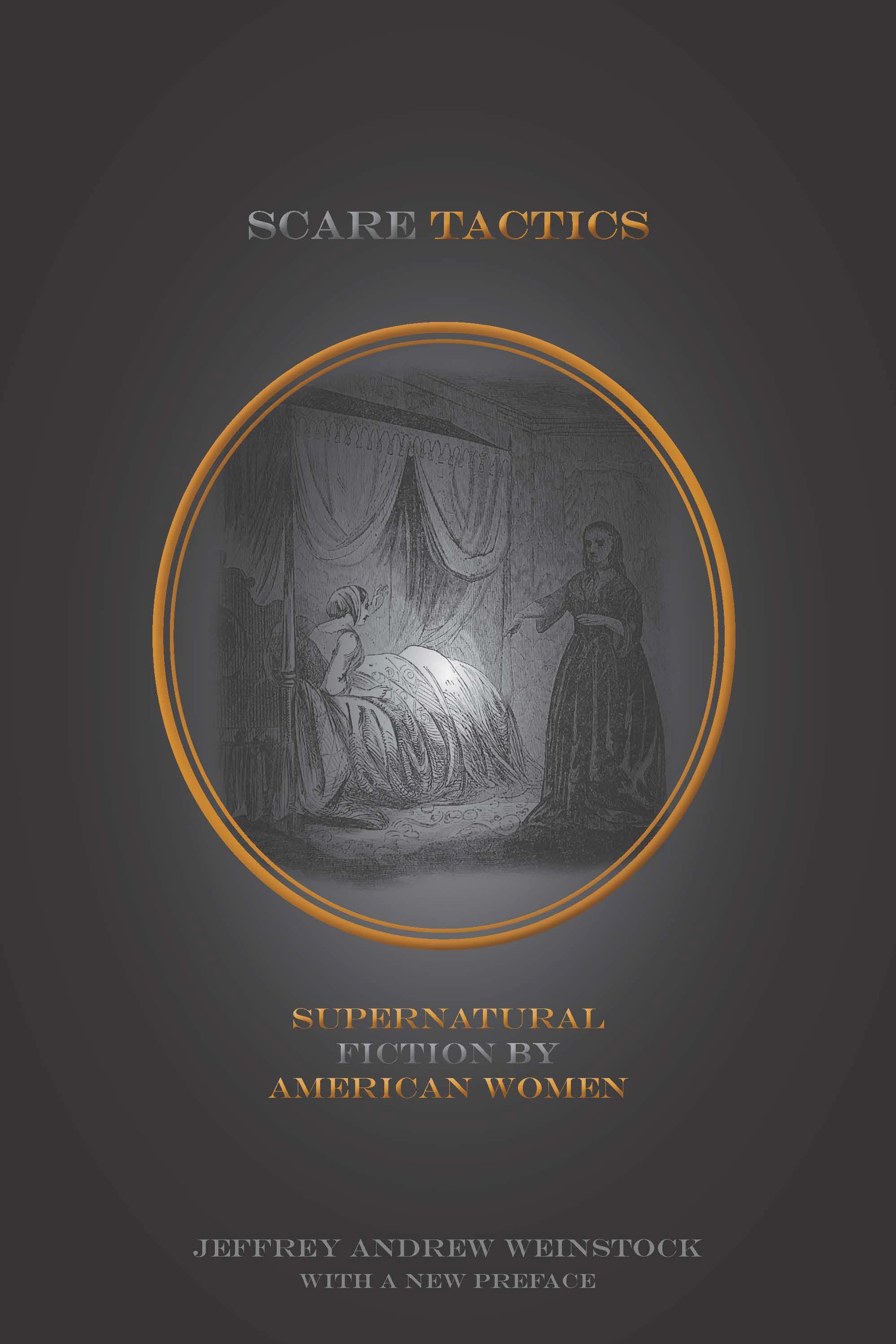
Scare Tactics identifies an important but overlooked tradition of supernatural writing by American women. Jeffrey Weinstock analyzes this tradition as an essentially feminist attempt to imagine alternatives to a world of limited possibilities. In the process, he recovers the lives and works of authors who were important during their lifetimes and in the development of the American literary tradition, but who are not recognized today for their contributions.
Between the end of the Civil War and roughly 1930, hundreds of uncanny tales were published by women in the periodical press and in books. These include stories by familiar figures such as Edith Wharton, Harriet Beecher Stowe, and Charlotte Perkins Gilman, as well as by authors almost wholly unknown to twenty-first-century readers, such as Josephine Dodge Bacon, Alice Brown, Emma Frances Dawson, and Harriet Prescott Spofford. Focusing on this tradition of female writing offers a corrective to the prevailing belief within American literary scholarship that the uncanny tale, exemplified by the literary productions of Irving, Poe, and Hawthorne, was displaced after the Civil War by literary realism.
Beyond the simple existence of an unacknowledged tradition of uncanny literature by women, Scare Tactics makes a strong case that this body of literature should be read as a specifically feminist literary tradition. Especially intriguing, Weinstock demonstrates, is that women authors repeatedly used Gothic conventions to express discontentment with circumscribed roles for women creating types of political intervention connected to the broader sphere of women's rights activism.
Paying attention to these overlooked authors helps us better understand not only the literary marketplace of their time, but also more familiar American Gothicists from Edgar Allan Poe to Shirley Jackson to Stephen King.
Before Memmo my notes were scattered across PDFs. Now a workspace pulls everything into one place — I see exactly what's still left to study.
Memmo's summaries are gold before exams. I don't have to re-read 800 pages two weeks before — just the important parts.
The AI chat has saved me the night before an exam more than once. I just keep asking until I get it — no waiting on a study group to reply.
The quizzes hit exactly what I need to know. Memmo tracks what I get stuck on — so I only practice what's worth it.
Flashcards with spaced repetition are magic. Memmo knows when I'm about to forget something and brings it back.
The AI podcasts are my favorite. I listen on my way to school and get a recap without sitting at a computer.

Handbok i kvalitativa metoder
281 kr

Hållbar utveckling: en introduktion för ingenjörer och andra problemlösare
334 kr

Brymans Samhällsvetenskapliga metoder
390 kr

Projektledning
491 kr

Den orättvisa hälsan: om socioekonomiska skillnader i hälsa och livslängd
326 kr

Organizational Leadership
429 kr

Vetenskapsteori för nybörjare
196 kr

På väg mot läraryrket
172 kr

Det sociala livet i skolan: Socialpsykologiska perspektiv
253 kr

Betygsättningens didaktik
151 kr

Personality
402 kr

Studying Leadership
404 kr

Managing Innovation
477 kr

Introduktion till samhällsvetenskaplig metod
347 kr

The Psychology of Sex and Gender
698 kr

Evidens och kunskap för socialt arbete
207 kr

Introduction to Leadership
605 kr